
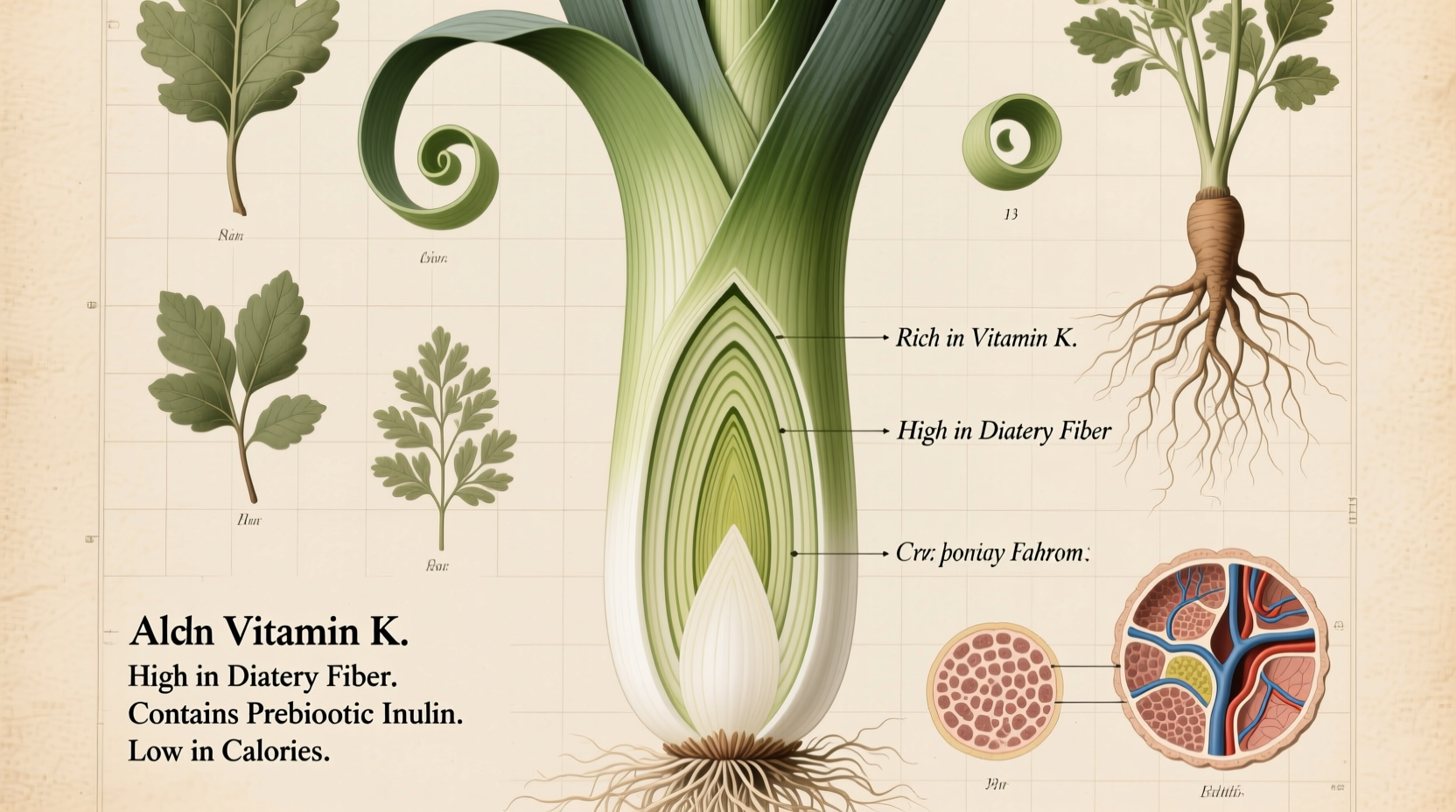
Leeks offer significant health benefits including improved heart health, enhanced digestion, stronger immune function, and better bone density. These mild-flavored allium vegetables contain powerful antioxidants like kaempferol, provide 52% of your daily vitamin K needs in just one cup, and deliver prebiotic fibers that nourish beneficial gut bacteria without the strong aftertaste of onions or garlic.
Discover why this underappreciated vegetable deserves a regular spot in your kitchen. Unlike their pungent cousins, leeks deliver substantial nutritional advantages with a delicate flavor profile that works in countless dishes. Whether you're looking to boost cardiovascular health, support digestive wellness, or simply add more nutrient-dense foods to your plate, understanding leek vegetable benefits can transform your approach to healthy eating.
Nutritional Powerhouse: What Makes Leeks Special
Leeks (Allium ampeloprasum) belong to the same family as onions, garlic, and chives, but offer a uniquely mild flavor with impressive nutritional density. One cup (89g) of cooked leeks provides:
- 32% of your daily vitamin A needs
- 26% of vitamin C requirements
- 52% of recommended vitamin K
- 16% of manganese
- 8% of iron
- 3.4 grams of dietary fiber
What sets leeks apart from other allium vegetables is their higher concentration of certain flavonoids, particularly kaempferol—a potent antioxidant with demonstrated anti-inflammatory properties. According to research published in the Journal of Agricultural and Food Chemistry, kaempferol may help protect against chronic diseases including heart disease and certain cancers.
Heart Health Benefits Backed by Research
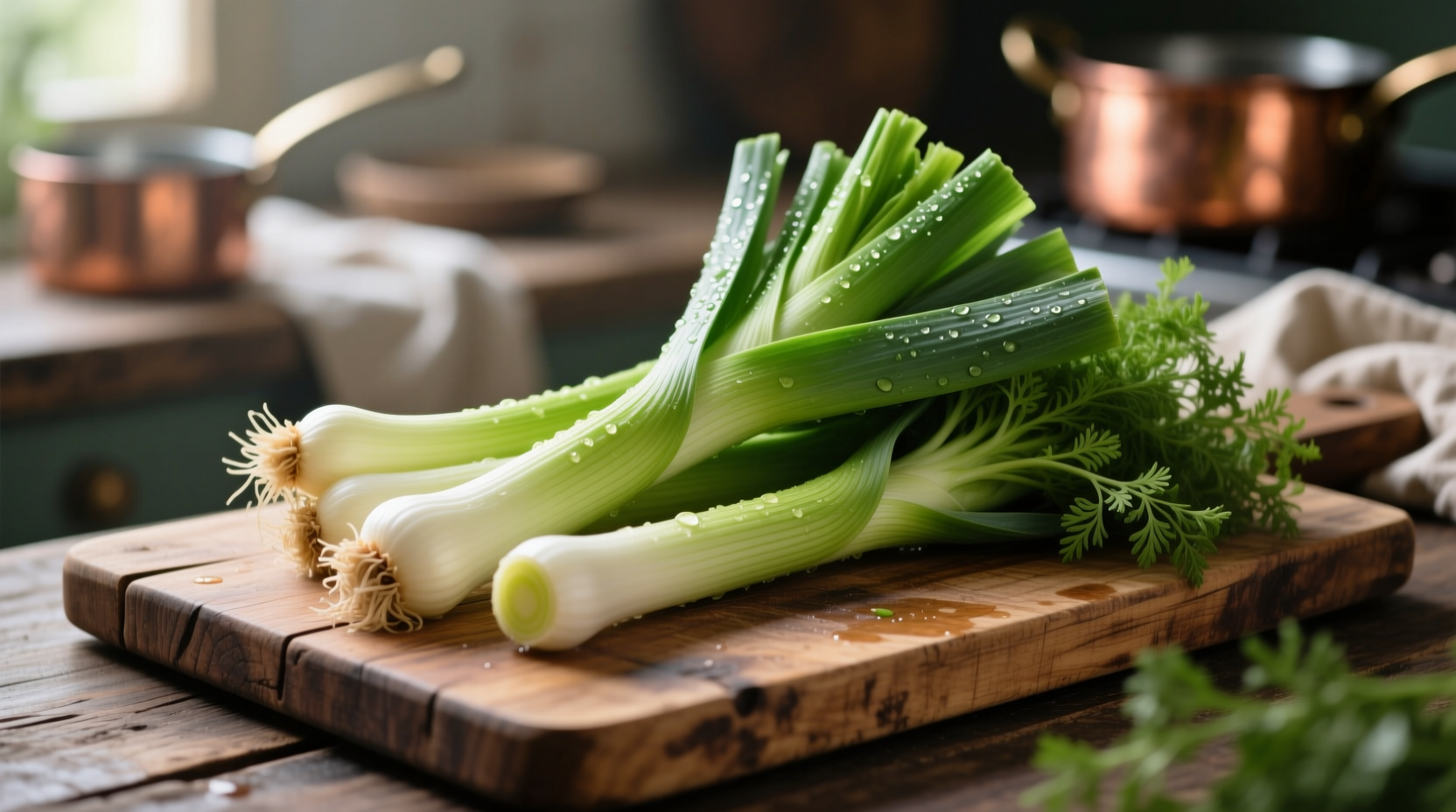
Multiple studies highlight leeks' cardiovascular advantages. The Centers for Disease Control and Prevention identifies dietary approaches as crucial for heart disease prevention, and leeks fit perfectly into heart-healthy eating patterns.
Leeks contain organosulfur compounds that help:
- Reduce inflammation in blood vessels
- Lower LDL ("bad") cholesterol levels
- Improve blood vessel function
- Support healthy blood pressure regulation
A 2020 review in Nutrients examined the relationship between allium vegetable consumption and cardiovascular health, finding that regular consumption of leeks and similar vegetables correlated with a 15-20% reduced risk of coronary heart disease.
| Allium Vegetable | Vitamin K (per 100g) | Quercetin Content | Unique Compounds |
|---|---|---|---|
| Leeks | 47μg | Moderate | Kaempferol, allicin |
| Onions | 0.4μg | High | Quercetin, anthocyanins |
| Garlic | 1.7μg | Low | Allicin, ajoene |
| Chives | 213μg | Moderate | Apigenin, luteolin |
Nutritional comparison of common allium vegetables showing leeks' balanced nutrient profile
Digestive Health Advantages
Leeks serve as an excellent prebiotic food, meaning they feed the beneficial bacteria in your gut. The inulin fiber found in leeks passes through your digestive system undigested until it reaches your colon, where it nourishes probiotic bacteria.
According to the National Institute of Diabetes and Digestive and Kidney Diseases, maintaining a healthy gut microbiome supports not only digestion but also immune function, mental health, and inflammation control.
Unlike some high-fiber foods that cause immediate digestive discomfort, leeks provide gradual fermentation that most people tolerate well. This makes them an ideal introduction to prebiotic foods for those building digestive resilience.
Practical Incorporation Guide
Maximizing leek vegetable health benefits requires proper preparation and cooking techniques:
Selection and Storage
- Choose firm, straight stalks with vibrant green tops
- Avoid yellowing or slimy spots
- Store unwashed in the refrigerator's crisper drawer for up to 2 weeks
Cleaning Technique
Leeks trap dirt between layers. Proper cleaning:
- Cut off root end and dark green tops (save for stock)
- Slice lengthwise through white and light green portions
- Soak in cold water for 5-10 minutes
- Rinse under running water, separating layers
Cooking Methods That Preserve Benefits
- Light sautéing: Preserves most nutrients while enhancing flavor (3-5 minutes)
- Steaming: Retains water-soluble vitamins better than boiling
- Raw in salads: Use only the tender green parts for maximum enzyme preservation
Historical Context and Evolution
Leeks have been cultivated for over 5,000 years, with evidence of their use in ancient Egyptian, Greek, and Roman civilizations. Unlike modern selective breeding that has dramatically changed many vegetables, leeks have maintained relatively consistent nutritional properties throughout their cultivation history.
Leek Cultivation Timeline
- 2,500 BCE: First documented cultivation in Mesopotamia
- 600 BCE: Adopted by ancient Egyptians as both food and medicinal plant
- 1st Century CE: Roman soldiers consumed leeks for strength before battle
- 12th Century: Introduced to England where they became national symbol of Wales
- 16th Century: Brought to North America by European settlers
- 20th Century: Development of modern varieties with improved disease resistance
This historical consistency means that the health benefits of leeks documented in ancient medical texts often align with modern scientific understanding—a rare continuity among vegetables.
When Leeks Might Not Be Appropriate
While generally beneficial, certain situations require caution with leek consumption:
- For individuals with irritable bowel syndrome (IBS): Leeks contain FODMAPs that may trigger symptoms in sensitive individuals. The Monash University Low FODMAP Diet guidelines recommend limiting leek intake to 1/4 cup cooked white part only.
- Before surgery: Due to vitamin K content, those taking blood thinners should maintain consistent intake rather than suddenly increasing consumption.
- For infants: The American Academy of Pediatrics recommends introducing leeks after 8 months of age due to potential digestive sensitivity.
These leek vegetable usage considerations demonstrate why understanding context matters when incorporating any food into your diet.
Simple Ways to Enjoy Leek Benefits Daily
You don't need complex recipes to reap the leek vegetable nutritional advantages. Try these practical approaches:
- Add finely sliced raw leeks to sandwiches and wraps
- Blend cooked leeks into soups for added creaminess without dairy
- Create a leek and potato hash for breakfast
- Make a simple vinaigrette with leek-infused oil
- Add to omelets or frittatas for mild onion flavor without strong aftertaste
For maximum benefit, pair leeks with healthy fats like olive oil or avocado, as this enhances absorption of fat-soluble vitamins including vitamin K and certain antioxidants.
Frequently Asked Questions
What specific health benefits do leeks offer that onions don't?
Leeks provide higher vitamin K content than onions (47μg vs 0.4μg per 100g) and contain more kaempferol, a flavonoid with strong anti-inflammatory properties. They also offer a milder flavor profile that makes them more versatile in dishes where strong onion taste would be overpowering, while still delivering similar cardiovascular and digestive benefits.
How much leek should I eat daily to gain health benefits?
Consuming approximately one cup (89g) of cooked leeks daily provides significant nutritional benefits without overwhelming your system. This amount delivers 52% of your vitamin K needs, 32% of vitamin A, and valuable prebiotic fiber. For those new to high-fiber foods, start with 1/4 to 1/2 cup and gradually increase to allow your digestive system to adjust.
Are cooked leeks as nutritious as raw leeks?
Cooking affects different nutrients variably. Water-soluble vitamins like vitamin C decrease with cooking, but fat-soluble vitamins (K, A) and certain antioxidants like kaempferol actually become more bioavailable. Light cooking (3-5 minutes of sautéing) preserves most benefits while making leeks easier to digest for many people. For maximum nutritional diversity, include both raw (in salads) and lightly cooked leeks in your diet.
Can leeks help with weight management?
Yes, leeks support weight management through several mechanisms. With only 31 calories per cup cooked, they provide substantial volume and fiber (3.4g per cup) that promotes satiety. The prebiotic inulin in leeks helps regulate appetite hormones and improve metabolic health. Research published in the International Journal of Food Sciences and Nutrition shows that increased allium vegetable consumption correlates with healthier body composition and reduced abdominal fat.
Which parts of the leek are most nutritious?
The white and light green portions contain the highest concentration of beneficial organosulfur compounds and prebiotic fiber. The darker green tops have higher vitamin K and antioxidant content but are typically too tough for direct consumption (though excellent for making vegetable stock). For maximum nutritional benefit, use the entire leek by incorporating the dark green parts into stocks and using the white/light green portions in main dishes.




 浙公网安备
33010002000092号
浙公网安备
33010002000092号 浙B2-20120091-4