
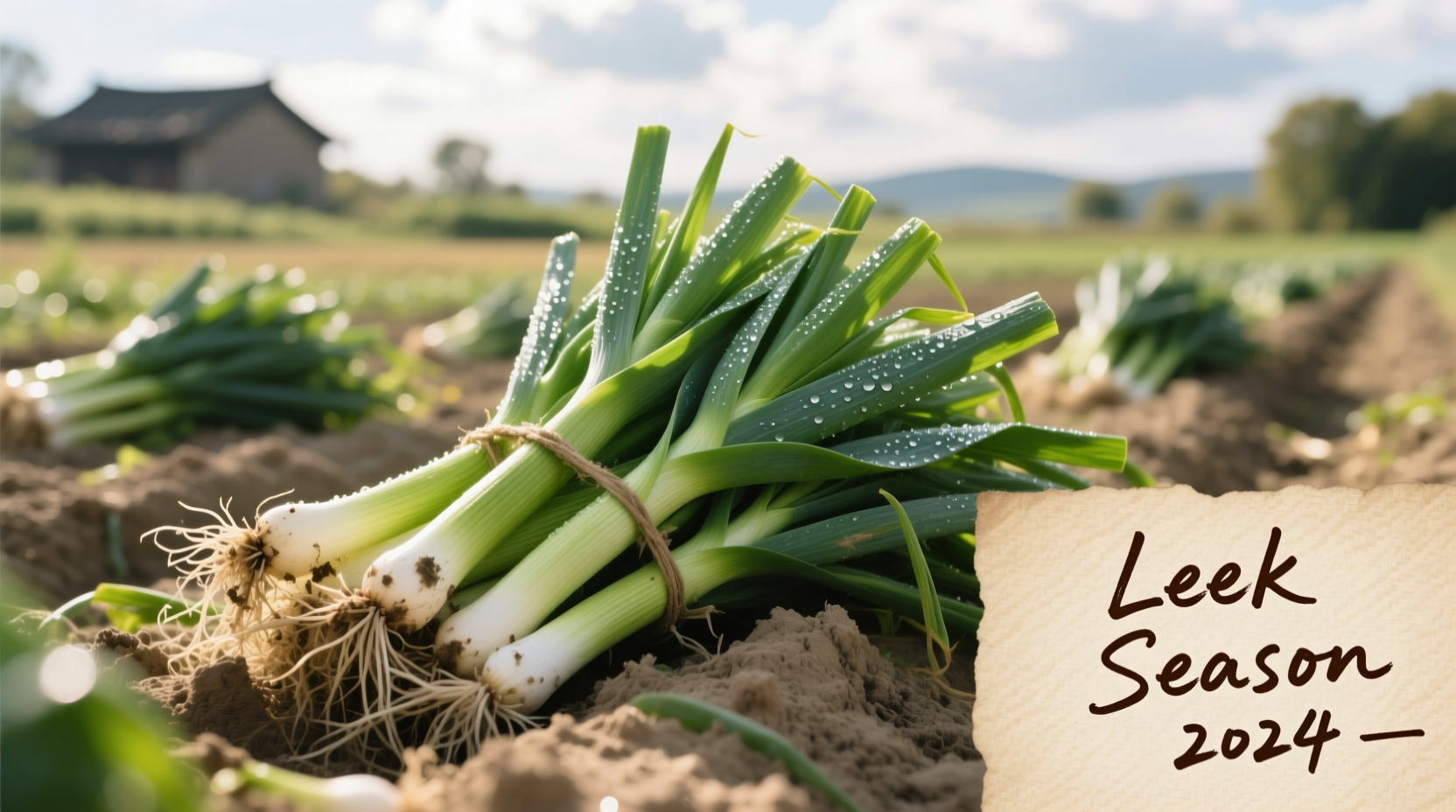
Understanding when leeks reach their prime helps home cooks and professional chefs alike maximize flavor in their dishes while supporting sustainable agricultural practices. This comprehensive guide breaks down everything you need to know about leek seasonality, regional variations, and how to make the most of these versatile alliums when they're at their best.
What Defines Leek Seasonality
Unlike many vegetables with a narrow harvest window, leeks have an extended growing season thanks to their cold-hardy nature. These members of the Allium family can withstand frost and even improve in sweetness after exposure to cold temperatures—a process called "cold-sweetening." Commercial growers often plant multiple crops throughout the year to ensure continuous supply, but true seasonal peak occurs when field-grown leeks reach maturity without artificial climate control.
| Region | Primary Season | Peak Months | Notes |
|---|---|---|---|
| Northern US & Canada | September-April | October-January | Frost improves sweetness; often harvested after first frost |
| Mid-Atlantic US | October-May | November-February | Extended season due to milder winters |
| California | Year-round | November-March | Multiple plantings; peak quality in cooler months |
| UK & Northern Europe | October-March | November-January | Traditional "winter vegetable" in European cuisine |
How Climate Affects Leek Availability
Leeks demonstrate remarkable adaptability across different growing zones, but their seasonality shifts significantly based on local climate conditions. According to the USDA Agricultural Research Service, leeks require 120-150 days to reach maturity from seed, with optimal growing temperatures between 55-75°F (13-24°C). Warmer regions can produce multiple crops annually, while northern climates typically have one main harvest that extends through winter.
The National Gardening Association notes that leeks planted in early spring for summer harvest often develop a stronger, more pungent flavor compared to fall-planted varieties that mature during cooler temperatures. This seasonal variation explains why French chefs traditionally favor "poireaux d'hiver" (winter leeks) for their delicate, sweet flavor profile in classic dishes like potage parmentier.
Identifying Peak Season Leeks at Market
When selecting leeks during their prime season, look for these quality indicators:
- Vibrant green tops that transition to bright white at the base without yellowing
- Firm, crisp texture throughout the entire stalk
- 1-2 inch diameter at the white base (larger leeks can be tough)
- No signs of flowering (bolting indicates maturity past prime)
- Heavy weight for their size, indicating high moisture content
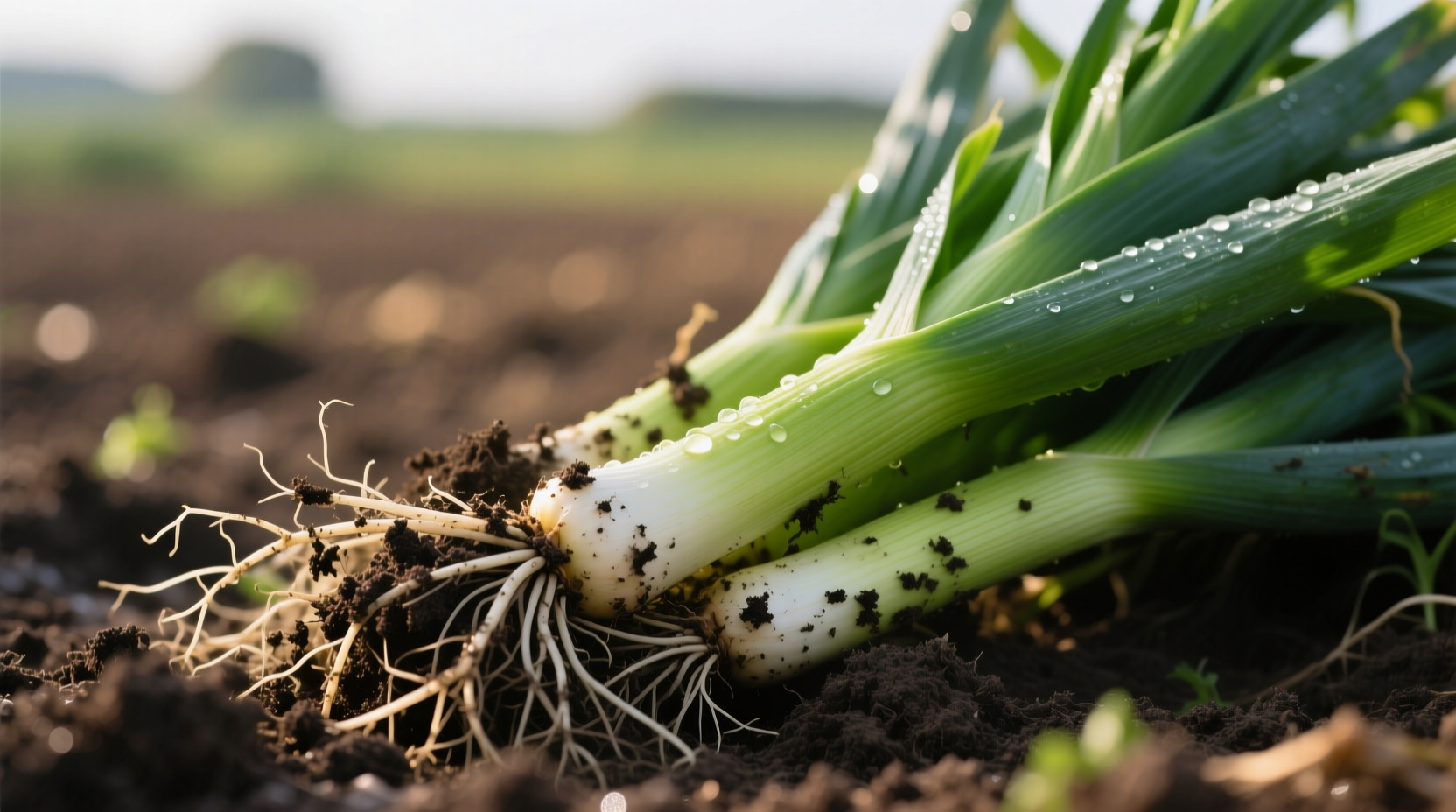
Seasonal leeks should feel substantial in your hand with crisp layers that separate easily when cut. Avoid leeks with soft spots, slimy texture, or excessive root growth, which indicate age or improper storage.
Proper Storage Techniques for Seasonal Leeks
When harvested at peak season, leeks can maintain quality for 2-3 weeks with proper storage. The University of California Cooperative Extension recommends these storage methods:
- Refrigerate unwashed leeks in perforated plastic bags in the high-humidity crisper drawer
- Trim roots and dark green tops before storage to extend freshness
- Never wash leeks before refrigeration as excess moisture accelerates spoilage
- For longer storage, blanch and freeze sliced leeks for up to 10 months
Unlike off-season leeks that often come pre-washed and packaged, seasonal field-fresh leeks benefit from minimal processing. The FDA Food Code specifies that whole, uncut leeks maintain quality longer than pre-cut varieties, which begin deteriorating within 3-5 days.
Best Culinary Applications for Seasonal Leeks
Peak season leeks offer exceptional versatility in the kitchen. Their delicate flavor shines in both raw and cooked applications:
- Raw preparations: Thinly sliced in salads or as garnish (use only the tender green portions)
- Sautéing: Cook low and slow to develop natural sweetness without browning
- Stocks and soups: Form the flavor base for classic dishes like vichyssoise
- Grilling: Halved lengthwise and grilled for smoky-sweet flavor
- Braising: Cooked slowly in broth for tender, flavorful results
Chef Thomas Keller notes that seasonal leeks require minimal preparation to showcase their natural flavor—"a simple sauté in butter with a pinch of salt reveals their inherent sweetness better than any complex recipe." During peak season, you'll need less added fat or seasoning to achieve delicious results compared to off-season varieties.
Avoiding Common Leek Selection Mistakes
Even experienced cooks make these seasonal leek errors:
- Ignoring size variations: Smaller leeks (pencil thickness) offer milder flavor ideal for raw applications, while larger varieties work better for cooking
- Wasting edible portions: Up to 50% of the green top is usable when properly prepared—slice thinly for garnishes or cook slowly for stocks
- Improper cleaning: Seasonal field-grown leeks often contain soil between layers—slice first, then soak in cold water
- Misjudging freshness: Off-season leeks often appear perfect but lack flavor depth of properly timed seasonal varieties
Remember that seasonal leeks naturally vary in size and appearance—uniformity often indicates off-season greenhouse production rather than peak field harvest.
Planning Your Leek-Centric Meals by Season
Understanding leek seasonality helps you plan meals that maximize flavor and value. Early season leeks (September-October) work beautifully in fresh preparations like salads and quick sautés. Mid-season leeks (November-January) develop their characteristic sweetness after frost exposure, making them ideal for soups, braises, and gratins. Late season leeks (February-April) begin developing stronger flavor as temperatures warm, perfect for robust dishes that benefit from more pronounced allium notes.
When shopping for seasonal leeks, build your meal plan around their natural flavor profile rather than forcing them into recipes better suited for off-season varieties. This approach reduces food waste and delivers more satisfying results with less effort—a key principle of sustainable cooking.




 浙公网安备
33010002000092号
浙公网安备
33010002000092号 浙B2-20120091-4