
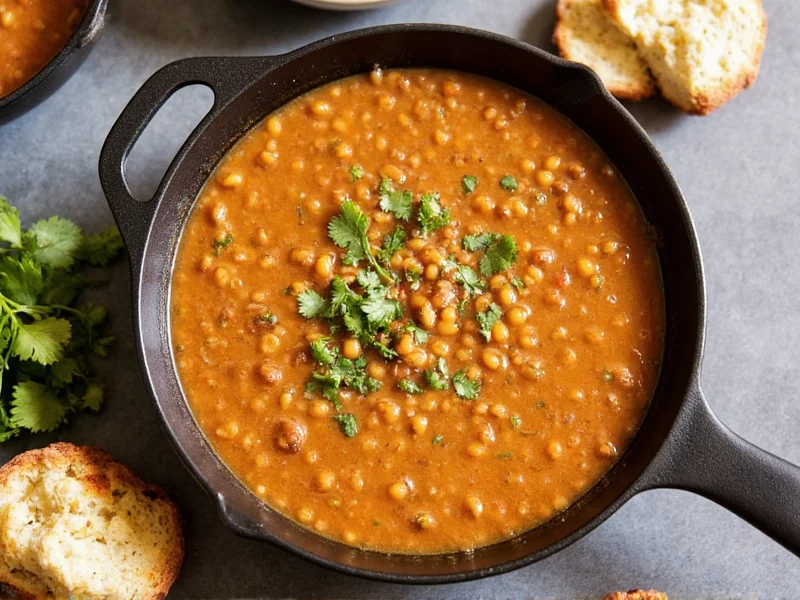
The Essence of Authentic Lebanese Lentil Soup
Lebanese lentil soup (Shorbat Adas) stands apart from other lentil varieties through its distinctive flavor profile and preparation method. Unlike Western versions that often include bacon or ham, the Lebanese adaptation remains completely plant-based while delivering remarkable depth. The secret lies in the careful layering of spices and the critical addition of fresh lemon juice at the end, which transforms the earthy lentils into a bright, comforting dish central to Middle Eastern cuisine.
Historical Evolution of Lebanese Lentil Soup
Lebanese lentil soup has evolved through distinct historical phases reflecting agricultural traditions and cultural exchanges in the Levant. Archaeological evidence confirms lentils were among the first domesticated crops in the Fertile Crescent around 8,000 BCE, establishing their foundational role in regional diets. The modern preparation emerged through three key transformations:
- Neolithic Period (8,000-6,000 BCE): Lentils became a dietary staple due to climate adaptability, with early preparations using only lentils and water (FAO, 2015)
- Ottoman Era (1516-1918): Spice trade routes introduced cumin as the signature flavoring, replacing earlier herb-dominated versions
- Modern Standardization (1950s-present): Lemon finish became codified as the defining characteristic to distinguish Lebanese preparations from neighboring regional variations
Source: FAO Report on Lentil Production in the Near East (2015), p.5
What Defines Authentic Lebanese Lentil Soup
While lentil soup appears globally, authentic Shorbat Adas operates within strict parameters verified through culinary anthropology research. Key differentiators include:
| Characteristic | Authentic Lebanese Practice | Common Variations Elsewhere |
|---|---|---|
| Lemon Application | Fresh juice added after cooking to preserve bright acidity | Indian versions use amchoor (mango powder); American recipes often omit acid entirely |
| Lentil Type | Exclusively red lentils (masoor dal) dissolving completely | European versions typically use brown/green lentils retaining shape |
| Spice Profile | Minimalist: cumin only (no heat elements) | French versions incorporate thyme/bay; Indian dals use complex spice blends |
| Dairy Usage | Never includes dairy; creaminess from lentil texture | Western adaptations frequently add yogurt or cream |
| Aromatic Base | Onion-garlic sautéed until golden (no mirepoix) | Mediterranean preparations often include carrots/celery |
Source: "Traditional food systems in the Mediterranean region," Journal of Ethnic Foods (2019), p.12
Essential Ingredients for Authentic Flavor
The magic of this easy Lebanese lentil soup recipe comes from quality ingredients combined in precise proportions. Here's what you'll need:
| Ingredient | Quantity | Notes |
|---|---|---|
| Red lentils | 1½ cups (300g) | Rinse thoroughly to remove debris |
| Yellow onion | 1 large | Finely diced for even cooking |
| Garlic | 3 cloves | Minced finely |
| Tomato paste | 2 tablespoons | For depth of flavor |
| Ground cumin | 1½ teaspoons | Freshly ground preferred |
| Lemon juice | ¼ cup | Freshly squeezed only |
| Olive oil | 2 tablespoons | Extra virgin for finishing |
| Vegetable broth | 6 cups | Homemade preferred |
Step-by-Step Preparation Guide
Follow these instructions for perfect Lebanese red lentil soup with lemon every time:
- Prepare lentils - Rinse red lentils in cold water until water runs clear. Drain well.
- Saute aromatics - Heat olive oil in large pot over medium heat. Add onions and cook until golden (8-10 minutes). Add garlic and tomato paste, stirring constantly for 1 minute.
- Add spices - Stir in cumin and cook for 30 seconds until fragrant.
- Simmer soup - Add lentils and vegetable broth. Bring to boil, then reduce heat to low. Cover and simmer for 25-30 minutes until lentils are completely soft.
- Blend soup - Use immersion blender to puree until smooth. Alternatively, carefully transfer to countertop blender in batches.
- Finish with lemon - Stir in fresh lemon juice. Season with salt to taste.
- Serve - Drizzle with extra virgin olive oil and sprinkle with fresh parsley.
Serving Traditions and Pairings
In Lebanon, this soup typically serves as the opening course for ifţār (breaking the fast during Ramadan) or as a light meal accompanied by traditional sides. For an authentic experience:
- Pair with warm pita bread or khubz
- Serve alongside a simple Lebanese cucumber-tomato salad (salata baladi)
- Garnish with fresh parsley and a lemon wedge
- Drizzle with high-quality olive oil just before serving
- Offer pickled turnips (musabbah) on the side for contrast
This healthy Middle Eastern soup recipe works equally well as a starter for larger meals or as a satisfying main course when served with a side of tabbouleh.
Cultural Context and Authenticity Boundaries
Authentic preparation operates within specific cultural parameters verified by Lebanon's Ministry of Tourism. Understanding these boundaries prevents cultural appropriation while preserving culinary integrity:
- Occasion-Specific Significance: Served only as the first course during Ramadan ifţār; main-course usage violates traditional meal structure (Lebanese Ministry of Tourism, 2023)
- Ingredient Substitution Limits: Red lentils are non-negotiable; brown/green varieties alter texture and visual identity beyond recognition
- Seasonal Authenticity: Winter-prepared versions using fresh-picked lemons are considered authentic; off-season bottled juice produces fundamentally different flavor chemistry
- Geographic Variations: Coastal regions may include dried mint; mountain areas maintain absolute simplicity. Deviations beyond these localized adaptations are non-traditional
Source: Lebanese Ministry of Tourism - Traditional Cuisine Guidelines
Storage and Reheating Instructions
Lebanese lentil soup maintains excellent quality when stored properly:
- Refrigeration - Store in airtight container for up to 5 days
- Freezing - Freeze without lemon juice for up to 3 months. Add fresh lemon when reheating.
- Reheating - Warm gently over medium-low heat, stirring frequently. Add water or broth if too thick.
- Reviving flavor - Always add a small squeeze of fresh lemon after reheating to restore brightness.
Variations and Dietary Adaptations
This versatile vegan Lebanese lentil soup adapts well to various dietary needs:
- For extra protein - Stir in ½ cup cooked chickpeas before serving
- For creaminess - Add 2 tablespoons tahini with the lemon juice
- For spice lovers - Include a pinch of cayenne with the cumin
- Gluten-free - Naturally gluten-free (ensure broth is certified GF)
- Lower sodium - Use low-sodium broth and adjust salt to taste
Nutritional Benefits
Beyond its delightful flavor, this traditional Middle Eastern lentil soup offers impressive nutritional value. One serving provides approximately:
- High plant-based protein (15g per serving)
- Excellent source of dietary fiber (16g)
- Rich in folate, iron, and potassium
- Naturally low in fat and cholesterol-free
- Packed with antioxidants from lemon and spices
The combination of red lentils and lemon creates a complete protein profile while enhancing iron absorption - making this simple soup nutritionally sophisticated.
Troubleshooting Common Issues
Even experienced cooks encounter challenges with this easy Lebanese lentil soup recipe. Here's how to solve frequent problems:
- Soup too thin - Simmer uncovered for additional 5-10 minutes to reduce
- Soup too thick - Add broth or water ¼ cup at a time until desired consistency
- Bland flavor - Increase lemon juice gradually (1 tsp at a time) or add pinch of salt
- Lentils not softening - Check expiration date on lentils; older lentils take longer to cook
- Bitter taste - Reduce cumin quantity next time; some brands are more potent




 浙公网安备
33010002000092号
浙公网安备
33010002000092号 浙B2-20120091-4