
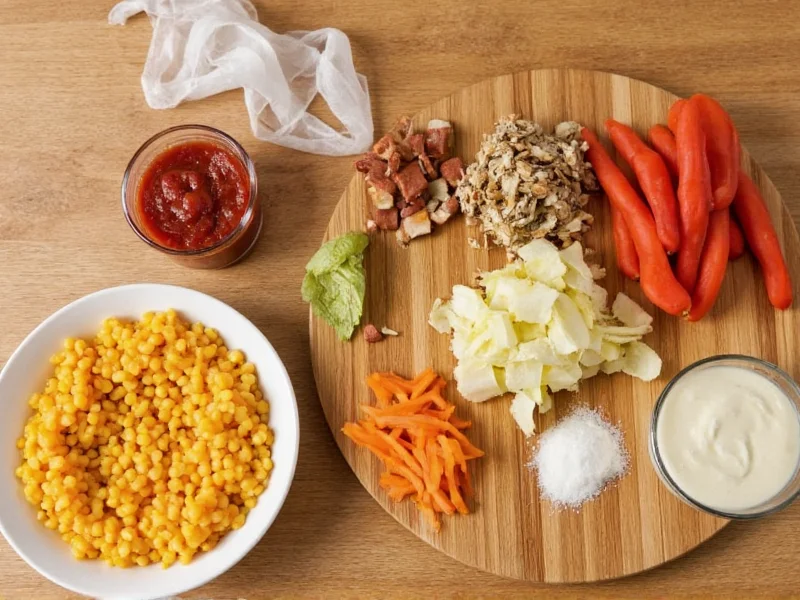
Lasagna soup transforms the beloved Italian casserole into a comforting, spoonable meal while preserving all the classic flavors. Understanding the right ingredients and their proper proportions makes the difference between a mediocre soup and an exceptional one that captures the essence of traditional lasagna in liquid form.
Core Lasagna Soup Ingredients Explained
Creating authentic lasagna soup requires attention to each component. Let's examine the essential elements that form the foundation of this popular comfort food:
Pasta Components
Traditional lasagna soup uses broken lasagna noodles, typically 8-10 ounces of dried noodles snapped into 1-2 inch pieces. The breaking process allows the pasta to cook properly in the broth while maintaining that distinctive lasagna texture. For gluten-free lasagna soup recipe ingredients, substitute with brown rice or corn-based lasagna noodles, adding them later in the cooking process to prevent overcooking.
Tomato Base
The tomato foundation consists of:
- 28 ounces crushed tomatoes (preferably San Marzano)
- 6 ounces tomato paste (for richness and depth)
- 1 cup beef or vegetable broth (as the liquid base)
This combination creates the signature tomato flavor without being overly acidic. The tomato paste particularly enhances the authentic lasagna soup recipe components by adding concentrated umami notes.
| Ingredient Category | Essential Components | Key Purpose |
|---|---|---|
| Pasta | Broken lasagna noodles | Provides traditional lasagna texture |
| Tomato Base | Crushed tomatoes, tomato paste | Creates signature flavor foundation |
| Aromatics | Onion, garlic, carrots, celery | Builds flavor complexity |
| Protein | Ground beef or Italian sausage | Adds richness (optional for meat versions) |
| Cheese | Ricotta, mozzarella, Parmesan | Delivers classic lasagna finish |
Aromatic Vegetables
The flavor base (soffritto) includes:
- 1 large onion, finely diced
- 3-4 garlic cloves, minced
- 2 carrots, finely chopped
- 2 celery stalks, finely chopped
Sautéing these vegetables until translucent develops the flavor foundation. For those seeking vegetarian lasagna soup ingredients substitution options, these aromatics become even more critical to compensate for the absence of meat.
Protein Options
Traditional recipes often include 1 pound of ground beef or Italian sausage, browned before adding to the soup. For vegetarian versions, consider adding:
- 1 cup cooked lentils
- 1 block extra-firm tofu, crumbled
- 2 cups sliced mushrooms
These alternatives provide the satisfying texture and heartiness that makes lasagna soup so comforting.
Cheese Components
The cheese element transforms this from tomato soup to lasagna soup:
- 1 cup ricotta cheese (for creaminess)
- 1½ cups shredded mozzarella (for stretch)
- ½ cup grated Parmesan (for salty depth)
Add these cheeses off-heat to prevent curdling. The best cheese for lasagna soup combination maintains that distinctive baked lasagna experience in soup form.
Ingredient Variations for Dietary Needs
Adapting lasagna soup for different dietary requirements doesn't mean sacrificing flavor. Consider these modifications:
Vegetarian Adaptation
For a satisfying vegetarian lasagna soup recipe ingredients list:
- Replace meat with 1 cup cooked lentils plus 8 ounces sliced mushrooms
- Use vegetable broth instead of beef broth
- Add 1 tablespoon soy sauce or 2 dried porcini mushrooms for umami depth
- Increase Italian seasoning to 2 teaspoons for more robust flavor
Gluten-Free Version
When preparing gluten-free lasagna soup recipe ingredients:
- Use certified gluten-free lasagna noodles
- Add noodles during the last 8-10 minutes of cooking
- Consider substituting with thinly sliced zucchini or eggplant for noodle layers
- Thicken with cornstarch slurry if needed (1 tablespoon cornstarch mixed with 2 tablespoons cold water)
Ingredient Quality Matters
The quality of your homemade lasagna soup ingredient list directly impacts the final result:
Tomato Selection
Choose San Marzano tomatoes when possible—they're sweeter with lower acidity. Check for "DOP" certification which guarantees authentic Italian-grown tomatoes. For the tomato paste, select double-concentrated varieties for richer flavor without excess liquid.
Cheese Considerations
Freshly grate your cheeses rather than using pre-shredded varieties, which contain anti-caking agents that can affect melting quality. For the ricotta, whole milk ricotta provides better texture than part-skim versions. The lasagna noodle soup ingredient proportions for cheese remain consistent regardless of batch size—aim for a 2:1:½ ratio of mozzarella to ricotta to Parmesan.
Common Ingredient Substitutions
Don't let missing one item prevent you from making lasagna soup. These substitutions maintain the dish's integrity:
Pasta Alternatives
No lasagna noodles? Try:
- Egg noodles broken into pieces
- Wide pappardelle pasta cut into squares
- Even manicotti shells sliced into rings
Dairy-Free Options
For dairy-free versions:
- Ricotta substitute: blended silken tofu with lemon juice
- Mozzarella alternative: dairy-free shreds designed for melting
- Parmesan replacement: nutritional yeast (2-3 tablespoons)
Preparation Sequence for Best Results
The order in which you add lasagna soup ingredients affects texture and flavor integration:
- Sauté aromatics until golden (5-7 minutes)
- Brown meat thoroughly if using
- Add tomato paste and cook 2 minutes to deepen flavor
- Incorporate crushed tomatoes and broth
- Simmer 20 minutes before adding noodles
- Add noodles and cook until al dente
- Remove from heat before stirring in cheeses
Adding noodles too early results in mushy pasta, while adding cheese to boiling soup causes separation. This sequence ensures perfect lasagna noodle soup ingredient proportions with ideal texture.
Storage and Reheating Considerations
Lasagna soup ingredients behave differently upon storage:
- Noodles continue absorbing liquid—store with extra broth for reheating
- Cheese components separate when reheated—stir vigorously while warming
- Flavors deepen overnight—soup often tastes better the second day
- Freeze without dairy components, adding cheese when reheating
Frequently Asked Questions
Can I use no-boil lasagna noodles in soup?
Yes, but reduce cooking time by 3-4 minutes. No-boil noodles absorb more liquid, so you may need to add ½-1 cup extra broth during cooking to prevent the soup from becoming too thick.
How do I prevent ricotta from clumping in lasagna soup?
Mix ricotta with ¼ cup of the hot soup broth first to temper it, then gradually stir into the main pot. Adding ricotta off-heat (below 165°F/74°C) prevents curdling and ensures smooth integration with other lasagna soup ingredients.
What's the best substitute for Italian sausage in vegetarian lasagna soup?
A combination of mushrooms and walnuts provides the best meaty texture. Sauté 8 ounces cremini mushrooms and ½ cup chopped walnuts until browned, then add to the soup. For additional flavor, include 1 tablespoon fennel seeds to mimic the distinctive taste of Italian sausage.
Why does my lasagna soup become too thick overnight?
Lasagna noodles continue absorbing liquid as they sit. When storing, leave out ½-1 cup of broth to add when reheating. The starch from the noodles also thickens the soup over time, which is why professional kitchens often under-thicken soup intended for leftovers.
Can I make lasagna soup in an Instant Pot?
Yes, with adjustments to the lasagna soup ingredients sequence. Sauté aromatics first, add broth and tomatoes, then include noodles for just 3-4 minutes at high pressure. Quick release immediately to prevent overcooking. Add cheeses after pressure cooking for best results with this method.




 浙公网安备
33010002000092号
浙公网安备
33010002000092号 浙B2-20120091-4