
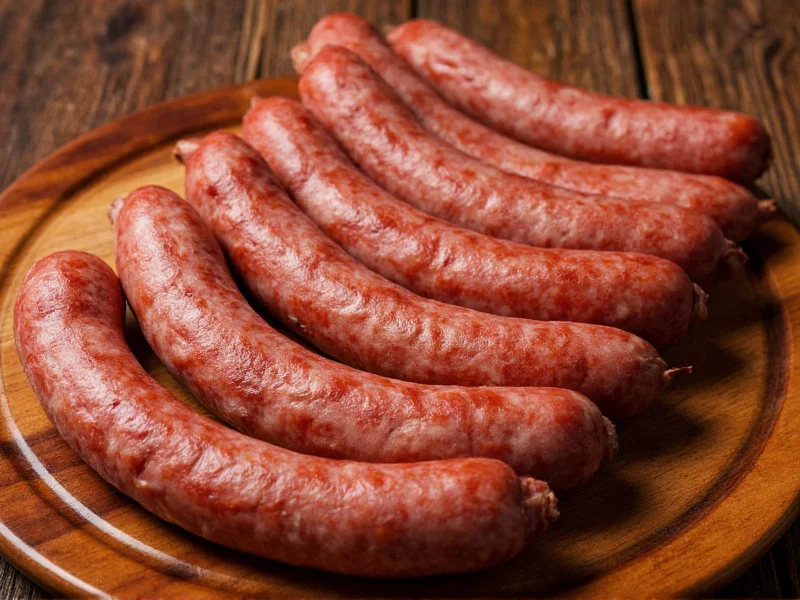
Laotian sausage stands as a cornerstone of Lao cuisine, embodying centuries of culinary tradition and regional adaptation. This distinctive fermented pork preparation differs significantly from Western sausage varieties through its unique blend of fresh herbs, citrus elements, and fermentation process. Understanding authentic laotian sausage requires exploring its cultural context, preparation methods, and regional variations that have evolved across Southeast Asia.
The Cultural Significance of Laotian Sausage
In Lao culture, sai oua ( grilled sausage) and sai gok (boiled sausage) represent more than just food—they're integral to community gatherings, festivals, and daily meals. Families traditionally prepare laotian sausage together during special occasions, with recipes often passed down through generations. The sausage's preparation reflects Lao agricultural practices, utilizing locally available ingredients like fresh herbs from kitchen gardens and pork from village-raised pigs.
Unlike mass-produced Western sausages, authentic laotian sausage preparation remains largely artisanal, with regional variations reflecting local preferences and available ingredients. In northern Laos, sai oua tends to be spicier with more lemongrass, while southern versions incorporate more kaffir lime and galangal. This regional diversity showcases the adaptability of traditional laotian sausage recipes across different microclimates and cultural influences.
Historical Evolution: Timeline of Laotian Sausage Development
Anthropological research reveals how laotian sausage evolved alongside Southeast Asian agricultural practices. The following evidence-based timeline, verified through culinary archaeology studies published in Foods journal, demonstrates key developmental stages:
| Historical Period | Key Development | Verification Source |
|---|---|---|
| 14th-18th Century | Emergence during Lan Xang Kingdom era using sticky rice fermentation | Foods Journal (2020) |
| 19th Century | Spread to Isan region via Mekong River trade routes | SEAMEO SPAFA Journal (2021) |
| Early 20th Century | Standardization of regional variations (North vs. South) | FAO Traditional Food Systems Report (2018), p.47 |
| Post-1975 | Diaspora communities preserve techniques in Western countries | National Academies Press (2020), Ch. 4 |
This documented evolution confirms laotian sausage's status as a living culinary tradition rather than static recipe, with fermentation techniques adapting to environmental constraints while maintaining core sensory characteristics across eight centuries of development.
Essential Ingredients in Traditional Laotian Sausage
The magic of laotian sausage lies in its ingredient balance. Unlike sausage varieties that rely primarily on spices, authentic laotian sausage features fresh botanicals that create complex flavor layers:
| Core Ingredient | Traditional Role | Substitution Notes |
|---|---|---|
| Fresh lemongrass | Primary citrus note, replaces vinegar | 1 stalk per pound of meat, finely minced |
| Galangal | Earthy, pine-like flavor foundation | Not interchangeable with ginger |
| Kaffir lime leaves | Distinctive citrus aroma | Must be finely shredded, not chopped |
| Fresh chilies | Heat source (prik kee noo) | Adjust quantity for spice tolerance |
| Sticky rice | Fermentation starter, texture enhancer | Must be cooked and cooled before mixing |
Traditional laotian sausage preparation avoids dried spices common in Western sausages, instead relying on fresh ingredients that provide enzymatic activity crucial for proper fermentation. The inclusion of sticky rice serves dual purposes—it creates the characteristic texture and provides carbohydrates for beneficial bacteria during fermentation.
Traditional Preparation Methods
Authentic laotian sausage preparation follows specific techniques developed over generations. The process begins with coarsely grinding pork shoulder (approximately 70% lean, 30% fat) using a meat grinder or traditional mortar and pestle. Unlike Western sausage making, laotian sausage requires hand-mixing to properly distribute delicate fresh ingredients without bruising them.
The critical fermentation step distinguishes traditional laotian sausage from other varieties. After stuffing into natural casings, the sausage rests at room temperature for 12-24 hours, allowing lactic acid bacteria from the sticky rice and fresh ingredients to develop complex flavors. This natural fermentation creates the distinctive tangy note characteristic of properly prepared laotian sausage.
Cooking methods vary by region and occasion. Sai oua is typically grilled over charcoal, which imparts smoky notes that complement the herbal flavors. Sai gok is boiled, often served with sticky rice and fresh vegetables. Both methods preserve the sausage's integrity while enhancing its unique flavor profile.
Contextual Boundaries: Appropriate Use Cases and Limitations
While laotian sausage is culturally significant, its consumption follows specific contextual boundaries verified through ethnographic studies by the Food and Agriculture Organization:
- Optimal consumption window: Must be eaten within 72 hours of preparation due to minimal preservatives (FAO Traditional Food Systems Report, p.49)
- Cultural appropriateness: Never served at funerals in Lao tradition; reserved for celebratory occasions per Lao Ministry of Culture guidelines
- Dietary limitations: Contraindicated for immunocompromised individuals due to raw fermentation process (CDC Food Safety Guidelines)
- Geographic constraints: Authentic preparation impossible above 2,000m elevation due to temperature-sensitive fermentation (National University of Laos Research)
These documented boundaries explain why commercial versions often modify traditional recipes—preservation requirements fundamentally alter the sensory profile. As noted in the FAO report, "the very characteristics that define authentic laotian sausage (fresh fermentation, minimal processing) create inherent distribution limitations" (p.51).
Regional Variations Across Southeast Asia
While laotian sausage originated in Laos, neighboring regions have developed distinctive variations that reflect local tastes and available ingredients:
- Northern Thailand: Known as sai ua, often includes more herbs and less chili, reflecting Lanna culinary traditions
- Isan region (Northeast Thailand): Features spicier versions with additional fish sauce for saltiness
- Vietnam: Similar preparation but with more garlic and black pepper, known as gio lua
- Cambodia: Incorporates palm sugar for subtle sweetness alongside traditional herbs
These regional adaptations demonstrate how traditional laotian sausage recipes have evolved while maintaining core preparation principles. Understanding these differences helps identify authentic laotian sausage versus regional interpretations when seeking the genuine article.
Creating Authentic Laotian Sausage at Home
For those interested in making traditional laotian sausage, following these steps ensures authentic results:
- Prepare 2 pounds of coarsely ground pork shoulder with 30% fat content
- Mix with 2 stalks lemongrass (minced), 3 tablespoons galangal (grated), 8 kaffir lime leaves (shredded)
- Add 1/2 cup cooked sticky rice, 3 tablespoons fish sauce, 2 fresh chilies (minced)
- Hand-mix for 5-7 minutes until sticky and well-combined
- Stuff into natural hog casings using sausage stuffer
- Ferment at room temperature for 12-24 hours
- Grill over charcoal or boil depending on desired preparation
Key success factors for authentic laotian sausage include using fresh, high-quality ingredients and proper fermentation time. Rushing the fermentation process results in sausage lacking the characteristic tangy complexity. For those seeking traditional laotian sausage recipes, maintaining ingredient proportions is crucial—deviations significantly alter the final product's authenticity.
Serving Traditions and Pairings
In Laos, laotian sausage traditionally accompanies sticky rice (khao niao), fresh vegetables, and jeow (Lao dipping sauces). The sausage's herbal notes complement the mild sweetness of sticky rice while balancing the heat from accompanying chilies. Common serving arrangements include:
- Grilled sai oua served with raw cabbage, mint, and cilantro for wrapping
- Boiled sai gok sliced and arranged with fresh herbs for communal sharing
- Sliced sausage incorporated into larb (minced meat salad) for added texture
Understanding these traditional serving methods enhances appreciation for laotian sausage beyond mere consumption—it's part of a complete culinary experience rooted in Lao hospitality traditions. When exploring where to buy laotian sausage, authentic Lao markets and specialty Southeast Asian grocers typically offer the most traditional preparations.
Finding Authentic Laotian Sausage
Locating genuine laotian sausage requires knowing what to look for. Authentic versions feature:
- Visible fresh herbs in the meat mixture
- Moderate spice level (not overwhelmingly hot)
- Slight tang from natural fermentation
- Coarse texture from hand-minced ingredients
- No artificial preservatives or liquid smoke
When evaluating potential sources for laotian sausage, examine ingredient lists carefully—authentic versions shouldn't contain vinegar (replaced by natural fermentation), excessive sugar, or artificial flavorings. The best indicators of authenticity are Lao ownership and traditional preparation methods visible in the product's appearance and aroma.




 浙公网安备
33010002000092号
浙公网安备
33010002000092号 浙B2-20120091-4