
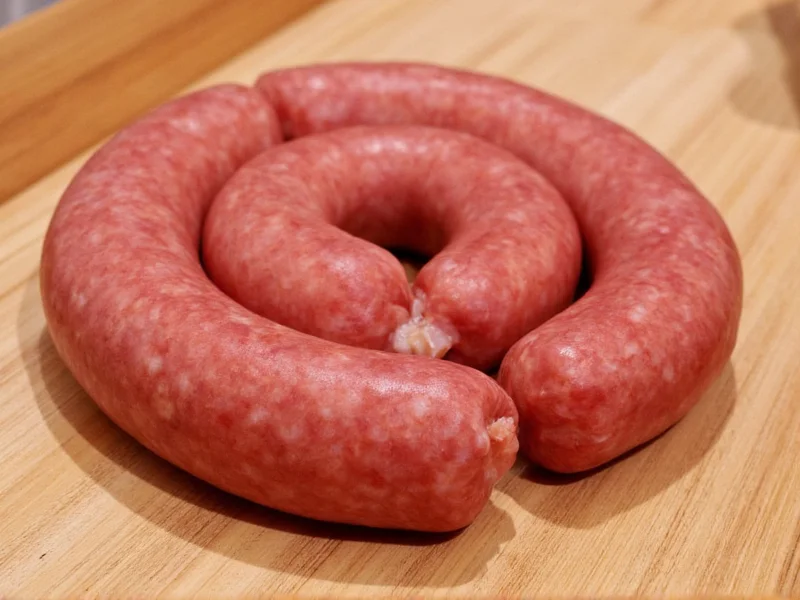
When you encounter kurobuta sausage on a menu or at a specialty butcher, you're looking at a product made from Berkshire pork—a breed celebrated for its exceptional quality. The term "kurobuta" literally translates to "black pig" in Japanese, referring to the distinctive black color of Berkshire hogs. This isn't just marketing hype; there are concrete reasons why chefs and discerning home cooks seek out kurobuta sausage over conventional options.
Understanding Berkshire Pork: The Foundation of Kurobuta Sausage
Berkshire pigs represent one of the oldest pig breeds, originating in England but perfected through selective breeding in Japan. These pigs develop remarkable intramuscular fat—what chefs call marbling—that creates juiciness and complex flavor profiles impossible to achieve with standard commercial pork breeds.
Unlike industrial pork production that prioritizes leanness, Berkshire pigs are raised to emphasize their natural fat distribution. This results in meat with a higher percentage of unsaturated fats, contributing to both superior taste and texture. The meat typically displays a deeper red color and fine marbling pattern that becomes evident when sliced.
Historical Evolution of Berkshire Pigs
The journey of Berkshire pigs from English farmlands to Japanese culinary icon represents a documented agricultural evolution. Originating in England's Berkshire county during the early 1800s, these pigs were prized for hardiness and foraging ability. The first Berkshire hogs arrived in the United States in 1823, establishing the foundation for American heritage pork. A pivotal development occurred in 1910 when Japanese agricultural officials imported Berkshire stock, initiating selective breeding programs focused on marbling and tenderness. Over subsequent decades, Japanese breeders refined genetics to produce intensely marbled pork now known as "kurobuta." This historical trajectory is formally documented in the University of Missouri Extension's comprehensive livestock heritage research, which tracks the breed's transformation from working farm animal to premium culinary ingredient through deliberate genetic selection across continents.
| Characteristic | Kurobuta Sausage | Conventional Pork Sausage |
|---|---|---|
| Fat Content | 30-40% | 20-25% |
| Marbling | Abundant, fine distribution | Minimal, coarser pattern |
| Cooking Behavior | Self-bastes, stays juicy | Requires added fat to prevent dryness |
| Flavor Complexity | Rich, nutty, buttery notes | Relatively neutral profile |
What Makes Kurobuta Sausage Different
When transformed into sausage, kurobuta pork delivers distinctive advantages:
- Richer flavor profile with nutty, buttery notes from the intramuscular fat
- Superior juiciness that prevents dryness even when fully cooked
- Delicate texture that maintains structure without becoming rubbery
- Natural sweetness derived from the breed's genetics and feeding regimen
Traditional sausage makers appreciate how kurobuta pork's fat content (typically 30-40%) creates emulsions that hold together beautifully during cooking. The fat melts at lower temperatures than conventional pork, basting the meat from within as it cooks.
Production Standards for Authentic Kurobuta Sausage
True kurobuta sausage maintains strict production standards. Authentic producers use 100% Berkshire pork without fillers or excessive binders. The curing process typically follows traditional methods with natural casings that enhance texture and flavor development.
Many premium producers follow these guidelines:
- Use only humanely raised Berkshire pigs with documented lineage
- Maintain fat-to-lean ratio between 30-40% for optimal texture
- Avoid artificial preservatives in favor of natural curing methods
- Employ slow, temperature-controlled smoking processes when applicable
- Use high-quality natural casings that complement the meat's texture
How to Identify Genuine Kurobuta Sausage
With growing popularity, some producers mislabel ordinary sausage as kurobuta. Look for these indicators of authenticity:
- Visible marbling in raw sausage links
- Deep red color rather than pale pink
- Higher price point reflecting the breed's slower growth rate
- Specific breed information on packaging or menu descriptions
- Certification from recognized agricultural bodies where applicable
Be wary of products labeled "kurobuta style" or "inspired by kurobuta," as these typically contain conventional pork with added flavorings rather than genuine Berkshire meat.
Culinary Applications and Pairing Suggestions
Kurobuta sausage shines in preparations where its rich flavor can be appreciated. Unlike standard sausage that often requires additional fats or bold seasonings to compensate for leaner meat, kurobuta's natural qualities allow simpler preparations to excel.
Consider these applications:
- Breakfast preparations where the sausage's natural sweetness complements eggs
- Charcuterie boards served slightly warm to release aromatic fats
- Pasta dishes where rendered fat creates luxurious sauces
- Grilled preparations that showcase the sausage's structural integrity
- Stuffings and forcemeats that benefit from superior binding properties
When cooking kurobuta sausage, reduce heat slightly compared to conventional sausage. The higher fat content means it cooks faster and can become greasy if exposed to excessive heat. Many chefs recommend starting cooking at lower temperatures to allow fat to render gradually.
When Kurobuta Sausage Shines: Ideal Applications and Limitations
Kurobuta sausage typically costs 50-100% more than conventional pork sausage. This premium reflects slower growth rates, higher feed costs, and lower lean yield. However, its value depends entirely on culinary context:
Ideal applications where kurobuta excels:
- Standalone preparations like grilled sausage platters where inherent qualities are the focus
- Dishes where rendered fat becomes a flavor component (pasta sauces, braises)
- Special occasions demanding premium ingredients
Key limitations to consider:
- Not suitable for high-volume commercial settings prioritizing cost efficiency
- Requires adjusted cooking temperatures (excessive heat causes rapid fat loss)
- Flavor nuances get lost in heavily processed dishes (meatloaf, complex casseroles)
Research from Iowa State University's Center for Agricultural and Rural Development confirms these contextual boundaries, showing premium sausage purchases peak during holiday seasons for special occasion cooking while conventional options dominate routine meal preparation. This consumer behavior pattern demonstrates how application context directly impacts perceived value.
Finding Authentic Kurobuta Sausage
Locating genuine kurobuta sausage requires some research. Specialty butchers, farmers' markets, and premium grocery stores represent the most reliable sources. When purchasing online, look for producers who provide detailed information about their farming practices and pork lineage.
Some regions have developed reputations for quality kurobuta production:
- Okinawa, Japan (original kurobuta production)
- Iowa and Illinois in the United States
- Yorkshire, England (Berkshire breed origin)
- Various artisanal producers across Europe
When evaluating potential sources, don't hesitate to ask detailed questions about the pigs' diet, living conditions, and processing methods. Reputable producers welcome these inquiries and can provide documentation of their practices.
Understanding Kurobuta Sausage Terminology
The marketplace contains various terms related to kurobuta sausage that can cause confusion:
- Kurobuta: Specifically refers to Berkshire pork (must be 100% Berkshire)
- Kurobuta-style: Typically contains conventional pork with added flavorings
- Berkshire pork: The breed name used outside Japan
- Wagyu pork: Marketing term sometimes used for kurobuta (technically incorrect)
- Black pig sausage: May refer to kurobuta or other black-skinned breeds
Understanding these distinctions helps consumers make informed choices when selecting premium sausage products.
Conclusion: The Value of Kurobuta Sausage
Kurobuta sausage represents the application of heritage pork breeding to sausage making. Its distinctive marbling, flavor complexity, and cooking properties justify its premium status when sourced from reputable producers. While not necessary for every culinary application, it offers a superior experience for those occasions when exceptional sausage matters.




 浙公网安备
33010002000092号
浙公网安备
33010002000092号 浙B2-20120091-4