
Understanding Tteokguk: Korea's Symbolic New Year Dish
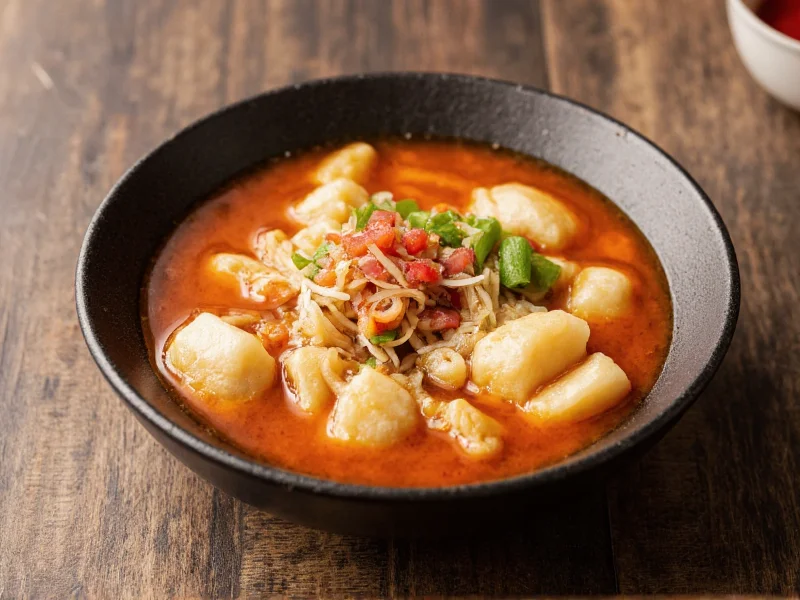
Korean rice cake soup holds deep cultural significance beyond its delicious flavor profile. This traditional dish isn't just comfort food—it's a culinary ritual connecting Koreans to their heritage. Families gather to prepare and share Tteokguk during Seollal (Korean Lunar New Year), believing that consuming this soup marks another year of life. The white color of the rice cakes represents purity and new beginnings, while their oval shape resembles ancient Korean currency, symbolizing prosperity.
Historical Evolution of Tteokguk
Tracing Tteokguk's development reveals how Korean culinary traditions adapted to historical shifts. Documented evidence from authoritative cultural archives shows distinct evolutionary phases:
- Jinhan Period (Pre-7th Century): Early rice cake soups appeared in Samguk Sagi records as medicinal winter solstice foods. The National Folk Museum of Korea confirms these were consumed for vitality during harsh seasons.
- Joseon Dynasty (1392-1910): Formalized as a Seollal dish in royal court cuisine. The Joseon Wangjo Sillok (Annals of the Joseon Dynasty) documents King Sejong's court serving white rice cake soup in ancestral rites, establishing beef broth as the aristocratic standard.
- Japanese Occupation (1910-1945): Rice shortages prompted substitutions with sweet potato or barley cakes, evidenced in wartime diaries archived by the National Folk Museum. Post-liberation, beef-based versions resurged as cultural reclamation symbols.
- Modern Era (1990s-Present): Globalization spurred regional innovations while traditional preparation gained recognition. Korea's Cultural Heritage Administration now documents over 300 verified regional variations as part of intangible cultural preservation efforts.
Essential Components of Authentic Tteokguk
Creating genuine Korean rice cake soup requires understanding its foundational elements. The broth forms the soul of the dish, while the rice cakes provide its distinctive texture. Unlike Japanese mochi, Korean garaetteok maintains its shape when cooked, offering a satisfying chew that defines the eating experience.
| Core Ingredient | Traditional Preparation | Substitution Options |
|---|---|---|
| Garaetteok (rice cakes) | Soaked 30 minutes before cooking | Buy pre-sliced frozen rice cakes |
| Broth base | Beef brisket simmered 3+ hours | Anchovy-kelp broth for vegetarian version |
| Garnishes | Thinly sliced cooked beef, egg ribbons, toasted seaweed | Shredded chicken, sliced scallions |
| Seasoning | Sea salt, sometimes with soy sauce | Fish sauce for umami depth |
Step-by-Step Preparation Guide
Mastering how to make tteokguk requires attention to broth development and rice cake preparation. Start by creating a clean-tasting broth—this separates authentic Korean rice cake soup from inferior versions. For beef broth, simmer brisket with garlic, ginger, and onions for at least three hours, skimming impurities regularly. The broth should be clear with a delicate meat flavor, not overpowering.
While broth simmers, prepare your rice cakes. If using frozen garaetteok, thaw completely then soak in cold water for 30 minutes. This prevents the cakes from becoming gummy during cooking. Many beginners make the mistake of adding rice cakes directly to boiling broth—they need gradual temperature adjustment to maintain their ideal chewy texture.
When assembling traditional Korean New Year soup, bring the strained broth to a gentle simmer. Add the soaked rice cakes and cook for 5-7 minutes until they float and become tender but still offer resistance when bitten. Overcooking causes disintegration—your rice cakes should maintain their cylindrical shape while becoming pleasantly chewy.
Regional Variations Across Korea
Korean rice cake soup variations reflect the country's diverse culinary landscape. In Seoul and northern regions, beef-based tteokguk dominates with its rich, meaty broth. Coastal areas like Busan often feature seafood tteokguk using anchovy or shrimp broth. Some families incorporate kimchi for a spicy twist, while others add sliced mandu (dumplings) for special occasions.
The Jeolla province version stands out with its distinctive yellow broth achieved by adding beaten egg to the simmering soup, creating delicate ribbons throughout. Meanwhile, Gyeongsang province recipes sometimes include sliced fish cake for additional texture. These regional differences showcase how a single dish can embody Korea's culinary diversity while maintaining its essential identity.
Contextual Significance: When Tteokguk Fits and When It Doesn't
Understanding Tteokguk's cultural framework is essential for authentic appreciation. This dish operates within specific social boundaries that define its role in Korean life:
- Primary Occasions: Mandatory for Seollal (Lunar New Year), where consumption signifies gaining a year of age. As documented by the Cultural Heritage Administration, it remains indispensable in New Year celebrations nationwide. Also traditional for milestone birthdays but rarely consumed casually.
- Cultural Restrictions: Avoided at weddings (where red bean soup symbolizes purification) and funerals due to renewal symbolism. The white color aligns with mourning customs in some contexts, making it inappropriate for somber events per Korea's Ministry of Culture guidelines.
- Dietary Boundaries: Traditional recipes using pure rice cakes and meat/anchovy broth are inherently gluten-free. However, the Korean Disease Control and Prevention Agency notes that modern variations with soy sauce or pre-made broths may contain wheat. Verification is essential for gluten-sensitive individuals.
Perfecting Your Tteokguk Technique
Achieving restaurant-quality Korean rice cake soup at home requires attention to detail. The broth clarity determines the dish's visual appeal—cloudy broth indicates improper skimming during preparation. For best rice cakes for tteokguk, choose products with minimal additives; high-quality garaetteok contains only rice, water, and salt.
Timing proves crucial when adding ingredients. Rice cakes should cook just until tender—typically 5-7 minutes after the broth returns to a simmer. Many home cooks make the mistake of boiling them too vigorously, causing disintegration. The ideal texture offers gentle resistance when bitten, neither hard nor mushy.
Serving traditions enhance the experience of traditional Korean New Year soup. Present tteokguk piping hot in individual bowls with garnishes arranged thoughtfully. The classic presentation features white rice cakes against the clear broth, topped with vibrant red pepper threads, golden egg ribbons, and dark seaweed strips—a visual representation of Korea's traditional colors.
Storage and Reheating Guidelines
Proper storage maintains the quality of easy Korean rice cake soup for future enjoyment. Store broth and rice cakes separately to prevent over-softening. The broth keeps well refrigerated for 4 days or frozen for 3 months. Rice cakes maintain optimal texture for 2 days refrigerated when stored in cold water.
When reheating tteokguk, gently warm the broth first, then add the rice cakes for the final 3-4 minutes of heating. Never microwave rice cakes directly—they become tough and chewy. For frozen portions, thaw overnight in the refrigerator before reheating. Leftover soup often tastes better the next day as flavors continue to meld, though the rice cakes may soften slightly.
Common Preparation Mistakes to Avoid
Several pitfalls can compromise your authentic Korean rice cake soup. Using pre-cooked rice cakes designed for tteokbokki results in overly soft texture. Adding rice cakes to rapidly boiling broth causes breakage. Over-seasoning with soy sauce creates a murky broth that obscures the dish's delicate flavor profile.
Many beginners make the mistake of skipping the soaking step for frozen rice cakes. This crucial preparation prevents the cakes from becoming gummy during cooking. Another common error involves using store-bought broth instead of preparing a proper base—while convenient, these often contain additives that alter the traditional flavor.




 浙公网安备
33010002000092号
浙公网安备
33010002000092号 浙B2-20120091-4