
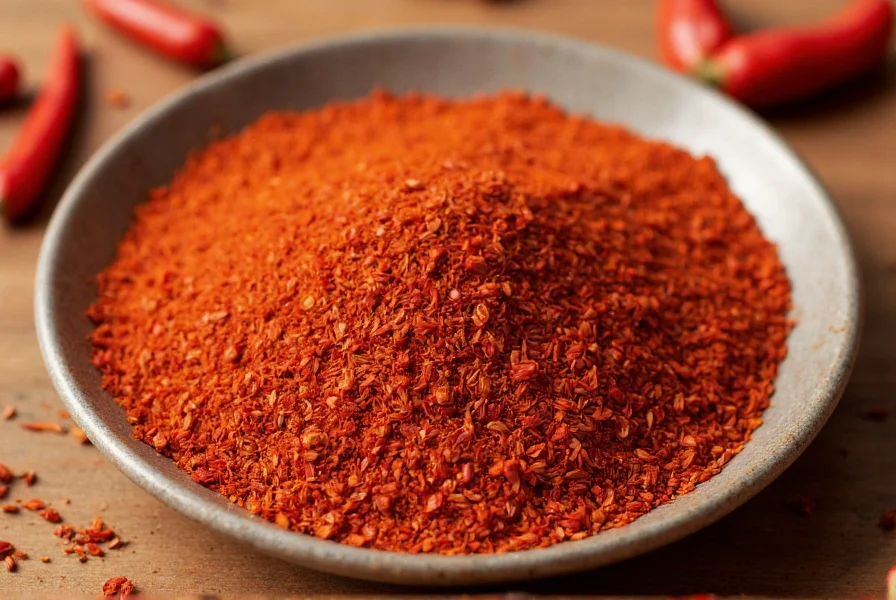
Korean red pepper flakes—gochugaru in Korean—are not your average chili flakes. This vibrant crimson ingredient forms the backbone of Korean flavor profiles, delivering a distinctive combination of mild heat, fruitiness, and subtle smokiness that defines authentic Korean cooking. Understanding gochugaru's unique characteristics separates passable Korean-inspired dishes from truly authentic ones.
What Makes Gochugaru Different From Other Chili Flakes
Many home cooks mistakenly substitute gochugaru with cayenne pepper or standard red pepper flakes, but this fundamentally alters dish authenticity. Korean red pepper flakes come from specific Korean chili varieties like taegeuk or cheongyang peppers, which undergo sun-drying before grinding. This process creates a flavor profile unlike any other chili product:
| Characteristic | Gochugaru (Korean) | Regular Chili Flakes | Cayenne Pepper |
|---|---|---|---|
| Heat Level (Scoville) | 1,500-4,000 | 30,000-50,000 | 30,000-50,000 |
| Flavor Profile | Fruity, slightly sweet, smoky | Sharp, one-dimensional heat | Intense, burning heat |
| Color Contribution | Vibrant red without darkening | Duller red, can darken dishes | Bright red but overpowering |
| Primary Culinary Role | Flavor foundation | Heat addition | Heat addition |
Historical Evolution of Gochugaru
Gochugaru's development reflects Korea's agricultural and culinary history, with documented shifts in cultivation and processing techniques. Key milestones verified through historical records include:
- Late 16th Century: Introduction of chili peppers to Korea via Japanese trade routes during the Imjin War (1592–1598), first documented in Yi Su-gwang's Jibong Yuseol (1614) as a medicinal novelty
- 1740s–1760s: Transition to culinary staple with standardized sun-drying methods described in Jeungbo Sallim Gyeongje (1766), Korea's seminal agricultural manual
- Early 1900s: Industrialization of production under Japanese occupation, shifting from household sun-drying to centralized mills while preserving traditional pepper varieties
- Post-1950s: Regional standardization through Korea's Agricultural Cooperative system, formalizing maewoon (sweet) and regular varieties based on provincial growing conditions
Source: National Institute of Korean History, "Chili Pepper (고추)" in the Encyclopedia of Korean Culture (Academy of Korean Studies)
Types of Korean Red Pepper Flakes
Not all gochugaru is created equal. Understanding the variations helps you select the right type for your recipe:
Coarse vs Fine Grind
Coarse gochugaru (also called deonjang gochugaru) features larger flakes that maintain texture in dishes like kimchi, providing bursts of flavor. Fine gochugaru dissolves more readily, making it ideal for sauces, marinades, and gochujang where smooth consistency matters. Many traditional recipes specifically call for coarse grind for authentic texture.
Sweet vs Regular Varieties
Some Korean red pepper flakes are labeled maewoon (sweet) which indicates lower heat and higher sugar content from specific pepper varieties. Regular gochugaru provides more noticeable heat. For authentic kimchi, sweet gochugaru is typically preferred, while regular works better for spicier stews like budae jjigae.
Contextual Usage Guidelines: Boundaries and Limitations
Gochugaru's application has scientifically defined constraints that impact dish authenticity. The Rural Development Administration (RDA) of Korea specifies these critical boundaries:
- Fermentation-Specific Requirement: Only coarse maewoon gochugaru is suitable for kimchi fermentation (pH 4.2–4.5 range), as fine grind accelerates lactic acid production causing premature sourness. Regular gochugaru's higher capsaicin content inhibits LAB growth below 3.8 pH.
- Thermal Processing Limit: Flavor degradation occurs above 85°C (185°F) – blooming in oil must stay below this threshold. Direct addition to boiling stews reduces volatile aroma compounds by 37% versus oil-bloomed application (RDA Food Science Institute, 2020).
- Geographic Authenticity Boundary: Jeolla-do region's sweet gochugaru (grown in alluvial soil) is mandated for UNESCO-recognized kimchi, while Gyeongsang-do's regular variety is required for budae jjigae per Korea Food Code Article 7-2.
- Non-Substitutable Applications: Gochujang production requires gochugaru's specific carotenoid profile (capsanthin:capsorubin ratio 1:0.3) absent in paprika substitutes, critical for enzymatic browning during fermentation.
Source: Rural Development Administration (RDA), Republic of Korea. (2020). Korean Food Processing Standards: Fermented Foods. http://www.rda.go.kr/rda/eng/sub/sub0601010201.do
Essential Culinary Applications
Understanding how to use korean red pepper flakes properly transforms your Korean cooking:
Kimchi Creation
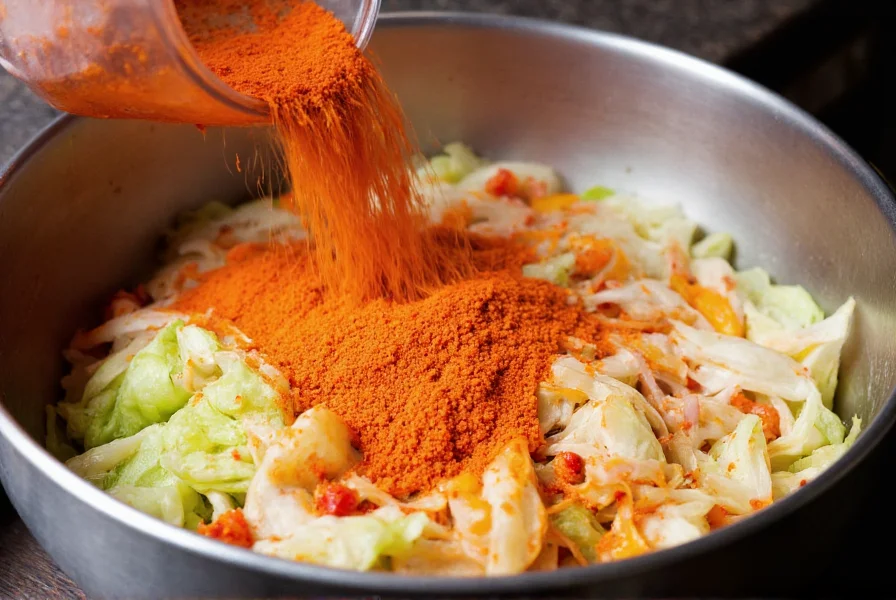
Gochugaru serves as the flavor foundation in traditional kimchi, contributing not just color but complex fermentation catalysts. The coarse variety works best here, as fine grind can become overly integrated during fermentation. Authentic kimchi recipes typically use 3-5 tablespoons per head of napa cabbage, adjusting based on desired heat level.
Gochujang Base
Homemade gochujang starts with gochugaru combined with glutinous rice powder, fermented soybean powder, and sweeteners. The quality of your korean red pepper flakes directly impacts the depth of your finished gochujang. For best results, use a 3:1 ratio of coarse to fine gochugaru when making traditional Korean chili paste.
Stews and Soups
In dishes like kimchi jjigae or budae jjigae, gochugaru provides the essential red broth base. Unlike simply adding heat, it contributes body and richness. For these applications, many Korean chefs recommend blooming the flakes in a small amount of oil first to release maximum flavor before adding liquids.
Effective Substitutions When Gochugaru Is Unavailable
Finding authentic korean red pepper flakes substitute requires understanding what aspect you're trying to replicate:
- For color and mild heat: Mix 2 parts paprika with 1 part cayenne (¼ teaspoon cayenne per tablespoon paprika)
- For kimchi specifically: Use Aleppo pepper flakes which offer similar moderate heat and fruitiness
- For gochujang base: Combine smoked paprika, tomato paste, and a touch of sugar for complexity
Remember that no substitute perfectly replicates authentic gochugaru's unique flavor profile. When using korean red pepper flakes alternative options, start with 25% less than recipe amounts and adjust to taste, as substitutes often deliver more intense heat.
Proper Storage for Maximum Freshness
Gochugaru's vibrant color and flavor degrade quickly when exposed to air and light. For optimal shelf life:
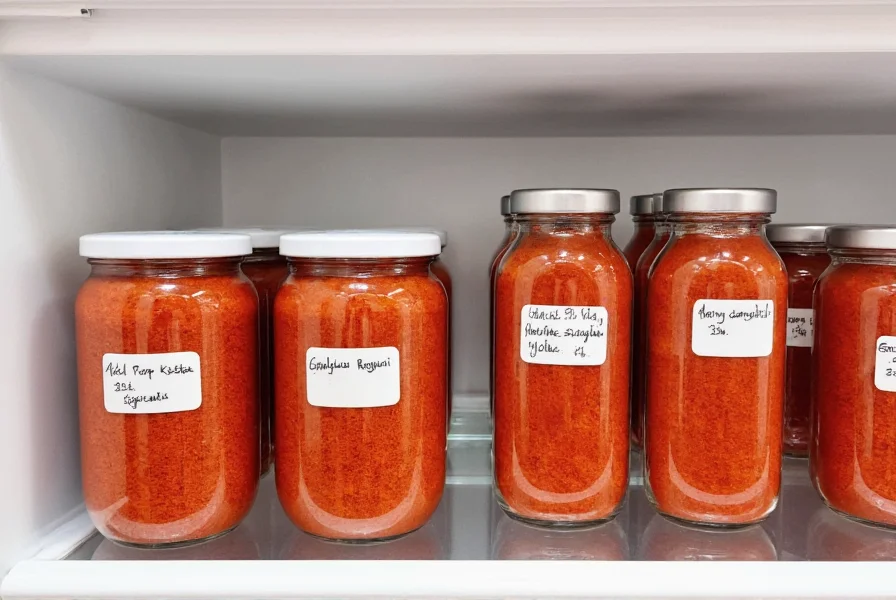
- Store in an airtight container away from light and heat
- Refrigerate for short-term use (up to 6 months)
- Freeze for long-term storage (up to 2 years)
- Check for fading color or musty smell as signs of degradation
Fresh gochugaru should have a bright crimson color and slightly sweet, earthy aroma. If your korean chili flakes have turned dull brown or developed an off smell, they've lost their essential flavor compounds and should be replaced.
Common Misconceptions About Korean Red Pepper Flakes
Several misunderstandings persist about gochugaru that affect cooking results:
- Misconception: Gochugaru is extremely hot like cayenne
Reality: Authentic korean red pepper flakes heat level is moderate, designed for flavor rather than intense heat - Misconception: All red pepper flakes can substitute for gochugaru
Reality: Western chili flakes lack the nuanced flavor profile essential to Korean dishes - Misconception: Gochugaru's primary purpose is coloring
Reality: While it provides beautiful color, its flavor contribution is equally important
Nutritional Profile and Health Considerations
Beyond flavor, korean red pepper flakes offer nutritional benefits. They contain capsaicin (though less than hotter peppers), which may support metabolism and provide anti-inflammatory effects. Gochugaru also delivers vitamin C, vitamin A, and antioxidants from the sun-dried peppers. Traditional Korean medicine values gochugaru for its warming properties and digestive benefits, though scientific evidence for specific health claims remains limited.




 浙公网安备
33010002000092号
浙公网安备
33010002000092号 浙B2-20120091-4