
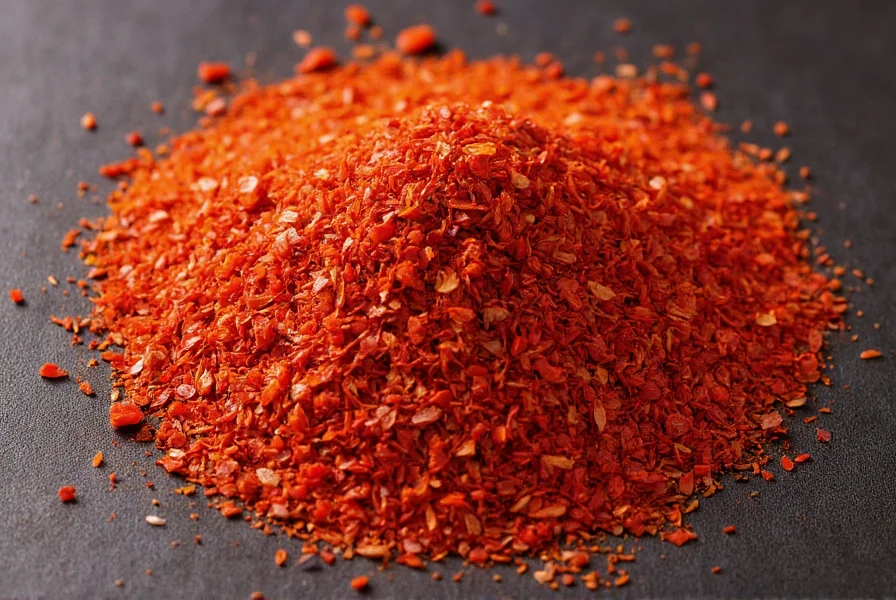
Korean red chili flakes—gochugaru in Korean—are the vibrant red heart of authentic Korean cooking. This essential pantry staple transforms ordinary dishes into culinary experiences with its unique balance of sweet, smoky, and mildly spicy notes. Understanding gochugaru's characteristics helps home cooks achieve authentic Korean flavors that generic chili flakes simply cannot replicate.
What Makes Korean Red Chili Flakes Unique
Gochugaru stands apart from other chili products through its specific production process and flavor profile. Korean farmers traditionally sun-dry specific varieties of red peppers (often Chilgochujang or Chilgochu peppers) before grinding them. This sun-drying process develops complex sugars while preserving vibrant color. The resulting flakes offer:
- A balanced heat level (1,500-2,000 Scoville Heat Units) significantly milder than cayenne
- Distinctive sweet and smoky notes absent in standard red pepper flakes
- Minimal bitterness compared to Italian or generic chili flakes
- Two common grinds: coarse for kimchi, fine for sauces and marinades
| Chili Product | Heat Level (SHU) | Flavor Profile | Primary Culinary Use |
|---|---|---|---|
| Korean red chili flakes (gochugaru) | 1,500-2,000 | Sweet, smoky, mildly spicy | Kimchi, tteokbokki, gochujang |
| Italian red pepper flakes | 3,000-8,000 | Sharp, bitter, intensely spicy | Pizza, pasta, Mediterranean dishes |
| Cayenne pepper | 30,000-50,000 | Sharp, one-dimensional heat | General spice, hot sauces |
| Paprika | 100-500 | Sweet, earthy, minimal heat | Coloring, mild flavoring |
Historical Evolution of Gochugaru Production
Gochugaru's journey in Korean cuisine spans centuries, evolving from limited availability to a cornerstone of national identity. Historical records indicate chili peppers were introduced to Korea in the late 16th century via ;;= trade routes, but didn't become widespread until the 18th century. The traditional sun-drying method developed as a preservation technique during Korea's agricultural society, where families would prepare gochugaru in autumn for winter use.
According to research published in Horticulture, Environment, and Biotechnology, the production process has evolved significantly:
- Pre-1700s: Chili peppers were rare luxury items, primarily used medicinally
- 1700-1900: Sun-drying became standard household practice; regional pepper varieties emerged
- Early 1900s: Commercial production began; gochugaru became accessible nationwide
- Post-1950s: Industrial processing improved consistency; coarse/fine grinds standardized
- 21st Century: Global demand surged; modern facilities maintain traditional methods with quality controls
This evolution reflects Korea's agricultural adaptation, with the traditional sun-drying method preserved for flavor authenticity despite technological advances. [Source: Park, C.S. (2015). History of chili pepper (Capsicum spp.) in Korea and its current status. Horticulture, Environment, and Biotechnology, 56, 1–10. https://doi.org/10.1007/s13580-015-0035-4]
Authentic Korean Red Chili Flakes vs. Substitutes
Many cooks mistakenly substitute standard red pepper flakes for gochugaru, resulting in dishes that lack authentic Korean flavor. While both appear similar, they differ significantly in composition and taste. Authentic Korean red chili flakes contain only ground red peppers without added salt, oil, or other ingredients common in generic chili flakes.
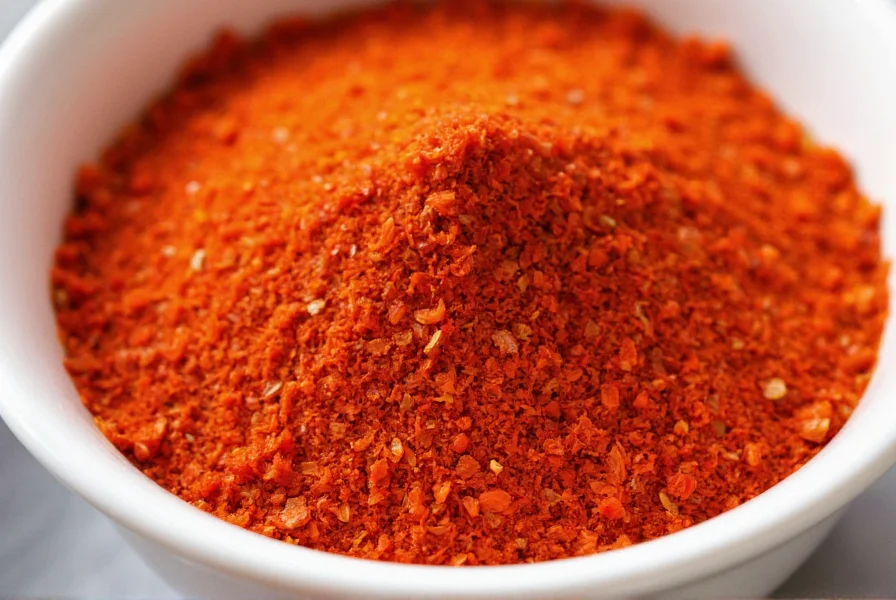
When shopping for genuine Korean red chili flakes, look for these characteristics:
- Color: Vibrant red (not dull or brownish)
- Aroma: Sweet and slightly smoky (not harsh or bitter)
- Texture: Uniform flakes without excessive powder
- Ingredients: Should list only "red chili peppers"
Culinary Applications of Korean Red Chili Flakes
Gochugaru serves as the flavor foundation for countless Korean dishes. Its versatility extends beyond just adding heat—it contributes color, depth, and complexity to recipes. The coarse grind works best for kimchi and stews where texture matters, while the fine grind dissolves smoothly in sauces and marinades.
Key traditional uses include:
- Kimchi preparation: Coarse gochugaru provides the signature red color and flavor
- Tteokbokki sauce: Creates the spicy-sweet base for chewy rice cakes
- Gochujang production: Combined with fermented soybeans and glutinous rice
- Marinades: Tenderizes meats while adding complex flavor
- Seasoning blends: Mixed with sesame oil and seeds for vegetable dishes
Context Boundaries: Optimal Use Cases and Limitations
While versatile, gochugaru has specific applications where it excels and situations where alternatives may be preferable. Understanding these boundaries prevents culinary missteps:
- Ideal applications:
- Slow-cooked dishes (stews, braises) allowing flavor integration
- Raw preparations (kimchi, dipping sauces) preserving fresh complexity
- Color-sensitive dishes where artificial dyes are undesirable
- Key limitations:
- Avoid high-heat frying (smoke point ~225°F/107°C) to prevent bitter combustion
- Not recommended for oil-based sauces exceeding 6 months storage (accelerates degradation)
- Contraindicated for nightshade-allergic individuals (contains capsaicinoids)
As documented in the Journal of Food Science, gochugaru's volatile compounds begin degrading at 158°F (70°C), making it unsuitable for high-temperature applications where standard chili flakes might survive. Culinary experts consistently recommend adding gochugaru during the final cooking stages for heat-intensive dishes.
Selecting and Storing Korean Red Chili Flakes
For optimal flavor and shelf life, proper selection and storage of Korean red chili flakes matters. Purchase from reputable Asian grocery stores or specialty online retailers that specialize in Korean ingredients. Check production dates when possible, as fresher gochugaru delivers brighter flavor.
Store your Korean red chili flakes properly to maintain quality:
- Keep in an airtight container away from light and moisture
- Refrigerate for long-term storage (6-12 months)
- Freeze for maximum shelf life (up to 2 years)
- Check for color fading or musty smells indicating degradation
Substituting Korean Red Chili Flakes
When authentic gochugaru isn't available, strategic substitutions can approximate its flavor. The best approach combines multiple ingredients to replicate gochugaru's complex profile:
- Mix 2 parts sweet paprika + 1 part cayenne pepper + ½ part garlic powder
- Add a pinch of sugar to standard red pepper flakes for sweetness
- For gochujang substitution: combine miso paste, tomato paste, and red pepper flakes
Remember that substitutions won't perfectly replicate authentic Korean red chili flakes, but they can provide acceptable results in a pinch. For traditional Korean recipes like kimchi or bibimbap, authentic gochugaru makes a noticeable difference in final flavor.
Exploring Korean Red Chili Flakes in Modern Cooking
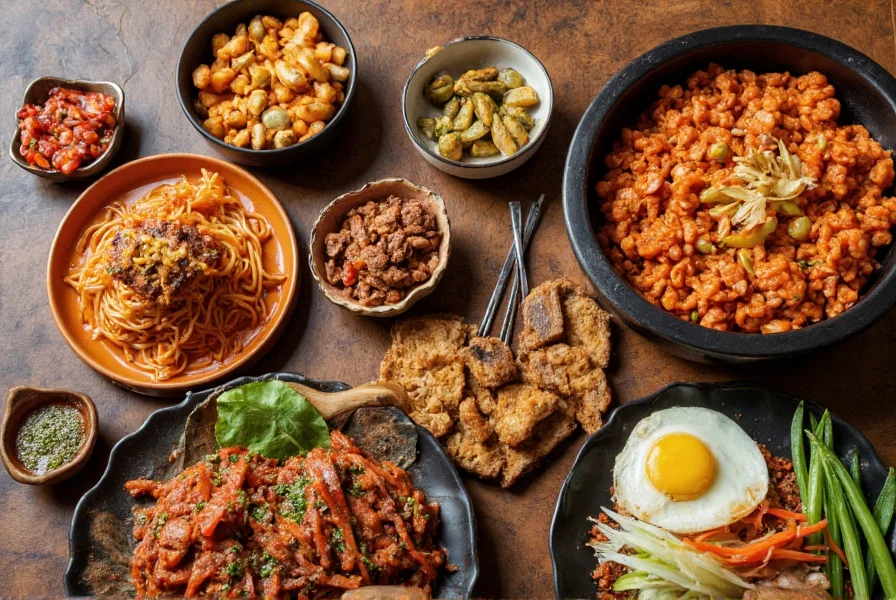
While essential to traditional Korean cuisine, gochugaru has gained popularity in fusion cooking. Chefs worldwide incorporate Korean red chili flakes into non-traditional dishes for their unique flavor profile. Try adding gochugaru to:
- Roasted vegetables for sweet-spicy complexity
- Deviled eggs for a Korean-inspired twist
- BBQ rubs and sauces for depth of flavor
- Mayonnaise-based dips for spicy aioli variations
- Marinades for grilled proteins beyond traditional Korean preparations
The versatility of Korean red chili flakes makes them valuable beyond Korean recipes. Their balanced heat and distinctive flavor can elevate many dishes where standard chili flakes would overpower other ingredients.
Frequently Asked Questions
What's the difference between Korean red chili flakes and regular red pepper flakes?
Korean red chili flakes (gochugaru) come from specific sun-dried Korean peppers with a sweet, smoky flavor and moderate heat (1,500-2,000 SHU). Regular red pepper flakes are typically made from various dried chilies with higher heat (3,000-8,000 SHU) and more bitterness. Gochugaru lacks the sharp bitterness common in Italian-style red pepper flakes.
Can I substitute paprika for Korean red chili flakes?
Plain paprika makes a poor substitute as it lacks heat. For better results, combine 2 parts sweet paprika with 1 part cayenne pepper and a pinch of sugar to approximate gochugaru's sweet-spicy profile. Smoked paprika can add the smoky dimension but still requires heat adjustment.
How hot are Korean red chili flakes compared to other chilies?
Korean red chili flakes register between 1,500-2,000 Scoville Heat Units, making them significantly milder than cayenne (30,000-50,000 SHU) or habaneros (100,000-350,000 SHU). They're comparable to poblano peppers in heat level but with a distinctive sweet, smoky flavor profile unique to sun-dried Korean chilies.
What does gochugaru taste like?
Gochugaru offers a complex flavor profile with sweet, smoky notes and moderate heat. Unlike many chili products, it lacks harsh bitterness. The sun-drying process develops natural sugars while preserving the pepper's essence, creating a balanced flavor that enhances rather than overwhelms other ingredients in Korean cuisine.
How should I store Korean red chili flakes to maintain freshness?
Store Korean red chili flakes in an airtight container away from light and moisture. For short-term use (1-3 months), a cool pantry works. For longer storage (6-12 months), refrigerate. For maximum shelf life (up to 2 years), freeze your gochugaru. Check periodically for color fading or musty odors that indicate degradation.




 浙公网安备
33010002000092号
浙公网安备
33010002000092号 浙B2-20120091-4