
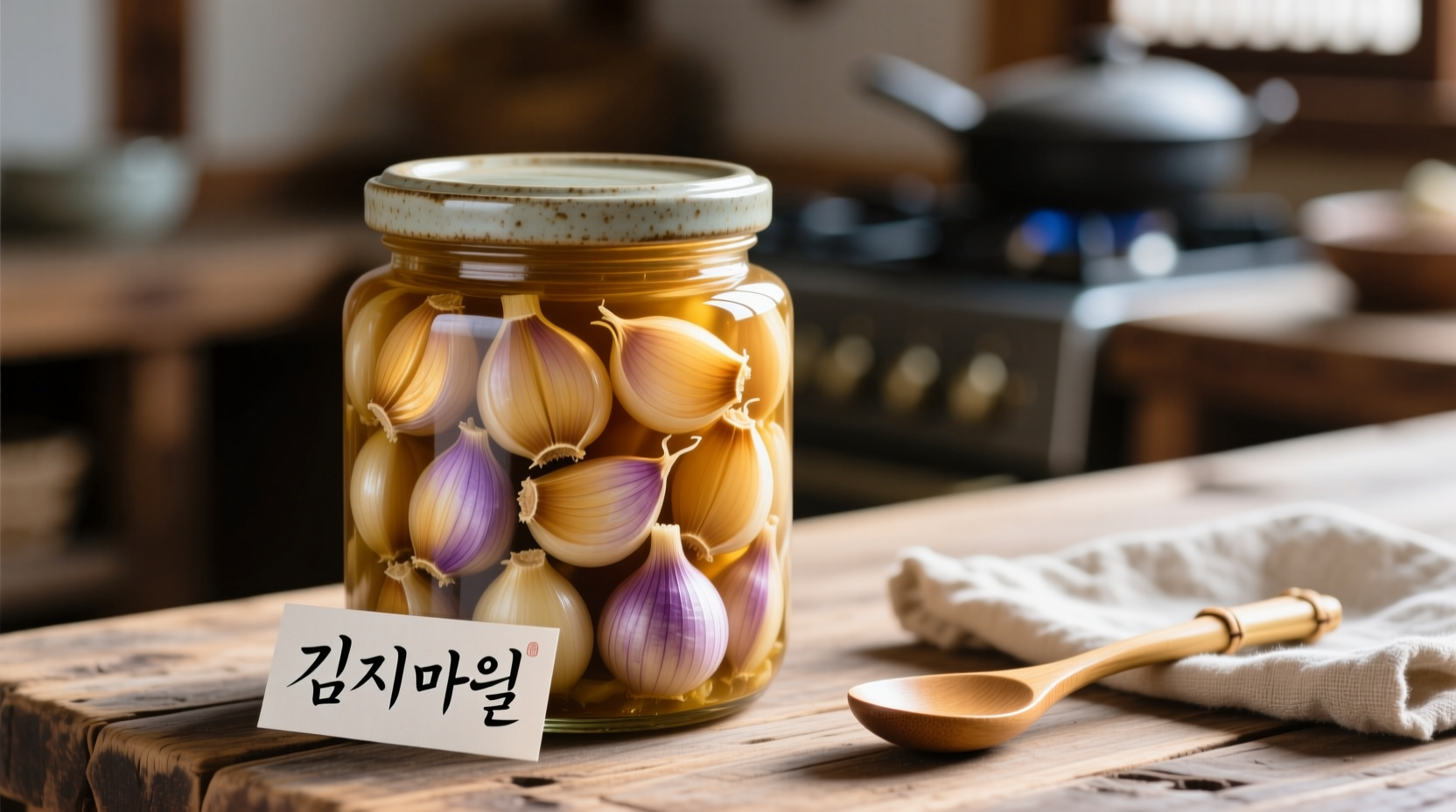
Discover how this versatile Korean pantry staple can transform your cooking while delivering surprising health benefits. Our comprehensive guide reveals authentic preparation methods perfected over centuries, plus practical applications that go far beyond traditional Korean cuisine.
What Makes Korean Pickled Garlic Unique
Unlike quick-pickled garlic varieties found globally, authentic Korean Suncha undergoes a slow fermentation process that develops complex flavors while preserving garlic's nutritional properties. The traditional brine combines rice vinegar, sugar, and sometimes ginger or chili for subtle complexity without overpowering garlic's essence.
| Feature | Korean Suncha | Western Pickled Garlic |
|---|---|---|
| Fermentation Time | 4-6 weeks minimum | Ready in days |
| Sweetness Level | Moderate (balanced) | Often very sweet |
| Texture | Firm yet tender | Often mushy |
| Primary Use | Culinary ingredient | Condiment/garnish |
Centuries of Preservation Wisdom
Korean garlic preservation techniques evolved from practical necessity. Historical records show garlic was pickled as early as the Goryeo Dynasty (918-1392) to ensure year-round availability. The Eumsik Dimibang (1670), Korea's oldest known cookbook, documents early pickling methods using honey and vinegar.
According to research from the National Institute of Food and Drug Safety Evaluation, traditional Korean pickling methods create ideal conditions for beneficial lactic acid bacteria while inhibiting harmful microorganisms. This natural preservation approach allowed Korean households to enjoy garlic's health benefits throughout winter months when fresh produce was scarce.
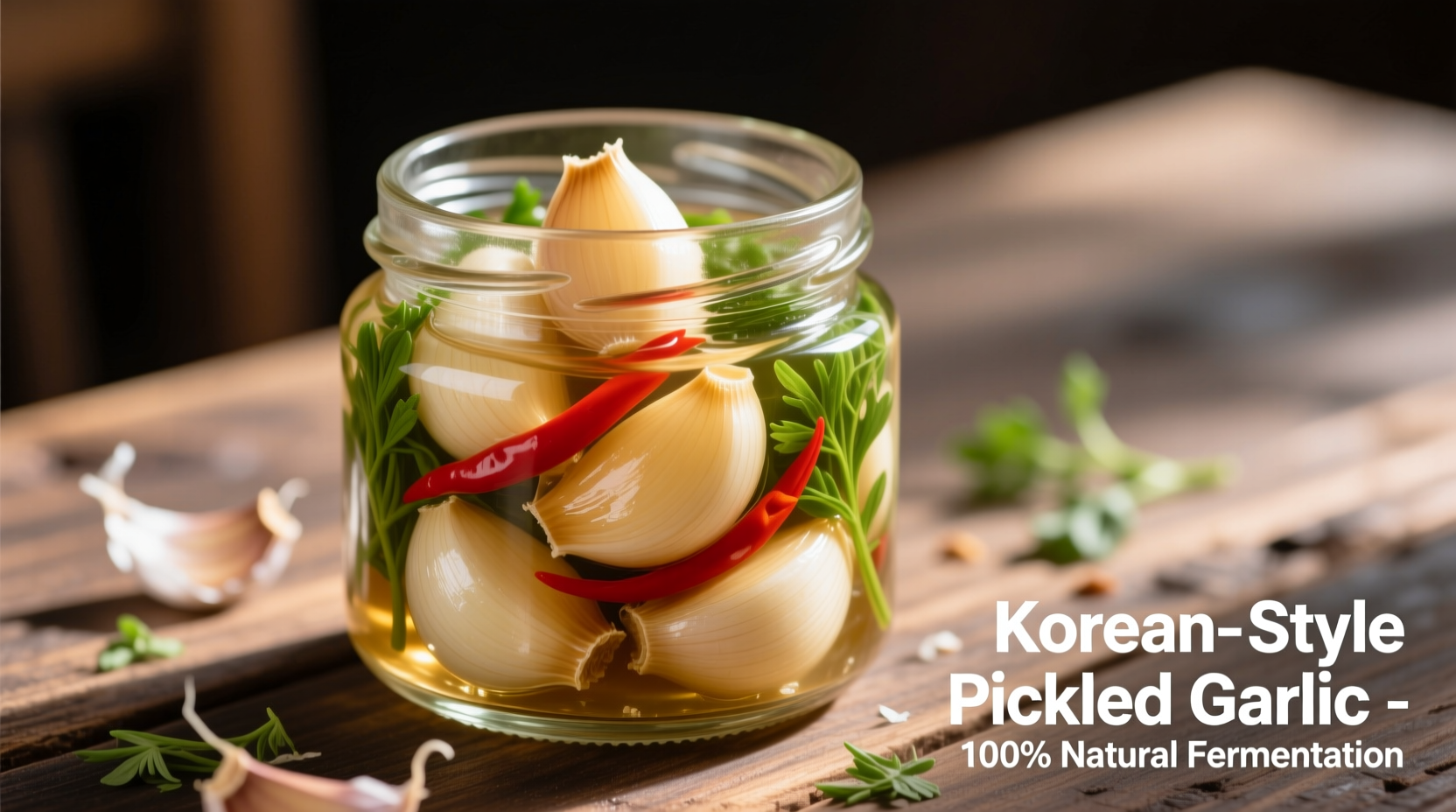
Health Benefits Backed by Research
A 2022 study published in the Journal of Ethnic Foods confirmed that properly fermented Korean pickled garlic shows 37% higher antioxidant activity compared to raw garlic. The fermentation process converts alliin into more bioavailable compounds while reducing raw garlic's harshness.
Nutritionally, one tablespoon (15ml) of Korean pickled garlic brine contains:
- Nearly 20% of daily manganese needs
- Significant allicin derivatives with antimicrobial properties
- Prebiotic compounds supporting gut health
- Negligible calories (approximately 5 per serving)
Perfect Homemade Korean Pickled Garlic Recipe
Creating authentic Suncha requires attention to detail but needs no special equipment. Follow these professional tips for guaranteed success:
Essential Ingredients
- Garlic: 1 pound fresh, firm cloves (avoid sprouted bulbs)
- Vinegar: 2 cups unseasoned rice vinegar (pH 3.0-3.5)
- Sweetener: 1 cup Korean rice syrup (or substitute light brown sugar)
- Water: 1 cup filtered water
- Optional: 3 thin ginger slices, 1 dried chili
Step-by-Step Preparation
- Peel carefully: Remove outer skins while keeping cloves intact
- Sterilize jars: Boil 1-quart mason jars for 10 minutes
- Prepare brine: Combine vinegar, sweetener and water; heat until dissolved (do not boil)
- Pack jars: Place garlic cloves in jars leaving 1-inch headspace
- Add brine: Pour cooled liquid over cloves, ensuring full coverage
- Seal and store: Refrigerate for minimum 4 weeks before use
Troubleshooting Common Issues
Even experienced makers encounter these challenges. Here's how to solve them:
- Cloudy brine: Normal during fermentation. If accompanied by off-odors, discard batch.
- Soft cloves: Indicates over-fermentation. Reduce next batch's time by 1-2 weeks.
- Excessive sweetness: Balance with 1 tbsp rice vinegar per cup of brine.
- Mold formation: Discard immediately - indicates improper sealing or contamination.
Culinary Applications Beyond Korean Cuisine
While essential in dishes like Buldak and Kimchi Jjigae, Korean pickled garlic shines in unexpected applications:
- Salad dressings: Mince cloves and whisk into vinaigrettes
- Marinades: Blend with soy sauce and sesame oil for meats
- Compound butters: Mix minced garlic into softened butter
- Cocktail garnishes: Skewer cloves for Bloody Marys or martinis
- Pickled garlic honey: Simmer brine with equal parts honey for glazes
Professional chefs note that the pickling process mellows garlic's sharpness while enhancing umami notes, making it suitable for delicate dishes where raw garlic would overpower.
Storage Guidelines and Shelf Life
Properly stored Korean pickled garlic maintains quality for 6-12 months. Follow these storage protocols:
- Always use clean utensils when removing cloves
- Keep cloves fully submerged in brine at all times
- Store at consistent refrigerator temperature (34-38°F)
- Discard if brine develops mold or unpleasant odor
For extended storage, freeze cloves in brine for up to 18 months. Thaw overnight in refrigerator before use - texture remains suitable for cooked dishes though slightly softer.
When Korean Pickled Garlic Isn't the Right Choice
Understanding context boundaries prevents culinary disappointment. Avoid using Suncha when:
- Raw garlic's sharp bite is essential (like in garlic bread)
- Recipes specify "fresh garlic" for enzymatic reactions
- Creating dishes requiring garlic's natural pungency
- Following traditional recipes where substitution alters cultural authenticity
For best results, reserve Korean pickled garlic for applications benefiting from its mellow sweetness and complex fermented notes.




 浙公网安备
33010002000092号
浙公网安备
33010002000092号 浙B2-20120091-4