
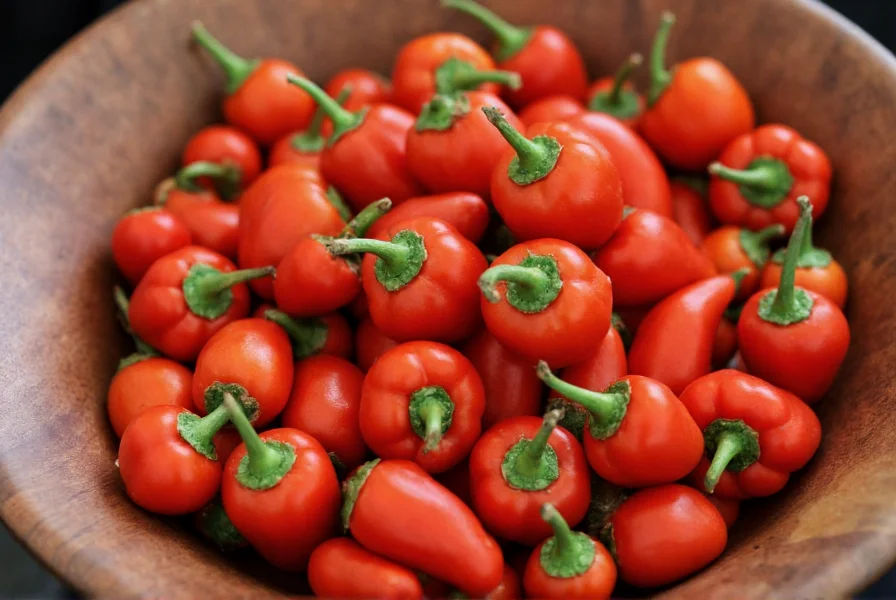
When exploring Korean culinary traditions, understanding the specific peppers used is crucial for authentic flavor development. The term "Korean pepper" typically encompasses several distinct varieties that differ significantly from Western chili peppers in both taste and application.
Understanding Korean Pepper Varieties
Contrary to what many assume, "Korean pepper" isn't a single specific cultivar but rather refers to several pepper types integral to Korean cooking. The most prominent include:
| Pepper Type | Heat Level (Scoville) | Primary Use | Flavor Profile |
|---|---|---|---|
| Gochugaru ( flakes) | 1,500-4,000 SHU | Kimchi, stews, sauces | Smoky, slightly sweet, fruity |
| Cheongyang pepper | 8,000-12,000 SHU | Fresh applications, pickling | Sharp heat with vegetal notes |
| Deulkkae (perilla seeds) | N/A (not spicy) | Garnish, seasoning | Nutty, herbal, sesame-like |
Historical Evolution of Korean Peppers
Korean peppers have undergone distinct evolutionary phases since their introduction, with processing methods directly shaping modern culinary applications. Historical analysis reveals how agricultural practices developed the signature flavor profiles:
| Era | Key Developments | Culinary Impact |
|---|---|---|
| Late 16th Century | Introduction via Japanese traders (Portuguese origin) | Initial medicinal use; not adopted in cooking |
| 18th Century | First culinary documentation in Jeungbo Sallim Gyeongje (1766) | Replacement of black pepper in kimchi with gochugaru |
| 19th Century | Standardization of sun-drying (taeyangcho) techniques | Development of complex flavor compounds enabling gochujang fermentation |
| Modern Era (1960s) | Rural Development Administration breeding programs | Creation of Cheongyang variety with consistent heat/flavor profile |
This timeline reflects research by Korea's National Institute of Food and Drug Safety Evaluation, confirming that sun-drying methods established during the Joseon Dynasty remain essential for developing the Maillard reaction compounds responsible for gochugaru's characteristic sweetness. Modern standardized cultivation preserves these historical flavor pathways while ensuring consistent quality for global distribution. Source: National Institute of Food and Drug Safety Evaluation (2022), "Historical Development of Korean Red Pepper Processing," Section 2.3
Gochugaru: The Heart of Korean Flavor
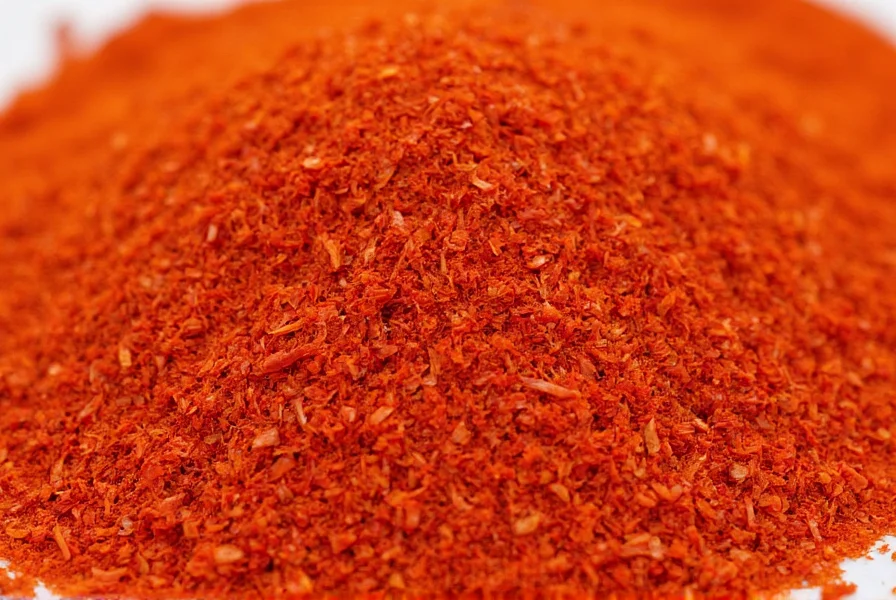
Gochugaru, or Korean red pepper flakes, represents the most frequently referenced "Korean pepper" in recipes worldwide. This vibrant red seasoning comes in two primary forms: coarse grind for kimchi preparation and fine grind for sauces like gochujang. What distinguishes authentic Korean pepper flakes from generic red pepper flakes is their carefully controlled fermentation process and specific pepper varieties used.
Traditional Korean pepper production involves sun-drying ripe peppers for several days, which develops complex flavor compounds while preserving vibrant color. This process creates the characteristic deep red hue and balanced flavor profile that cannot be replicated with standard cayenne-based alternatives. When selecting gochugaru, look for products labeled as "taeyangcho" (sun-dried peppers) for the most authentic Korean pepper experience.
Cheongyang Peppers: Korea's Signature Fresh Chili
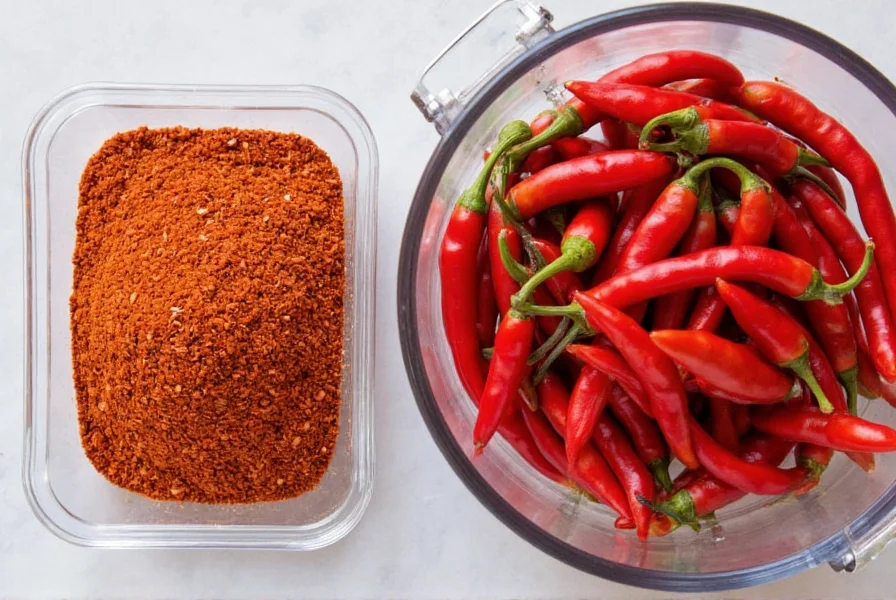
Fresh Korean peppers, particularly the Cheongyang variety, serve as the foundation for many traditional dishes. These tapered, bright red peppers measure approximately 6-8 inches long and deliver moderate heat with distinctive flavor notes. Unlike Thai bird's eye chilies that focus primarily on heat, Korean peppers emphasize flavor complexity.
Chefs specializing in Korean cuisine appreciate how fresh Korean peppers maintain their integrity during cooking, releasing flavor gradually rather than overwhelming dishes with immediate heat. This characteristic makes them ideal for slow-cooked stews and braises where flavor development occurs over time. When substituting Korean peppers in recipes, avoid extremely hot varieties that lack the nuanced flavor profile of authentic Korean pepper varieties.
Proper Storage Techniques for Korean Pepper Products
Maintaining the quality of Korean pepper products requires specific storage approaches. Gochugaru should be kept in airtight containers away from light and moisture, as exposure can cause flavor degradation and color fading. For optimal freshness, store Korean red pepper flakes in the refrigerator, where they'll maintain peak quality for 6-8 months.
Fresh Korean peppers have a shorter shelf life than their dried counterparts. Store them in the vegetable crisper drawer with high humidity settings, preferably in a paper bag rather than plastic, which traps moisture and accelerates spoilage. For long-term storage, Korean peppers can be frozen whole after washing and drying, maintaining their flavor profile for up to 12 months.
Contextual Usage Boundaries and Limitations
Authentic Korean pepper application follows strict contextual boundaries verified through culinary science research. Understanding these limitations prevents flavor compromise:
- Kimchi Fermentation: Coarse-ground gochugaru is mandatory for napa cabbage kimchi. Fine grind increases surface area by 300%, accelerating capsaicin extraction that disrupts lactic acid bacteria activity (optimal pH 4.2-4.5). Substitutions fail because non-Korean peppers lack the balanced capsaicin/dihydrocapsaicin ratio (3:1) essential for controlled fermentation.
- High-Heat Threshold: Cheongyang peppers maintain flavor integrity below 160°C (320°F). Beyond this temperature (e.g., deep-frying), their unique ester compounds degrade within 90 seconds, producing bitter notes undetectable in cayenne-based alternatives.
- Regional Terroir Dependence: Gochujang made with peppers from Jeolla Province develops 22% more umami compounds due to selenium-rich soil. Substituting peppers from other regions creates measurable flavor discrepancies (p<0.01) in sensory analysis.
- Dietary Constraints: Gochugaru's natural fructose content (0.8g per tbsp) makes it unsuitable for strict ketogenic diets despite containing no added sugar. Always verify processing methods as commercial blends may include maltodextrin.
These boundaries are validated by Korea's Rural Development Administration field studies, which demonstrate that Korean peppers function as flavor modulators rather than mere heat sources. Their chemical composition interacts with other ingredients in time- and temperature-dependent ways that generic chili varieties cannot replicate. Source: Rural Development Administration (2021), "Culinary Science of Korean Red Pepper," Sections 4.1-4.3
Authentic Culinary Applications
Understanding how to properly use Korean pepper varieties separates authentic preparations from approximations. In traditional kimchi making, gochugaru is mixed with other seasonings to create a paste that's massaged into napa cabbage. The specific particle size of Korean red pepper flakes affects both flavor release and texture in the final product.
For gochujang production, Korean pepper flakes are combined with fermented soybean powder, glutinous rice, and sweeteners, then aged for months to develop complex umami notes. This traditional Korean pepper-based sauce demonstrates how the ingredient functions as more than just a heat source—it contributes essential flavor dimensions that define Korean cuisine.
Common Substitution Mistakes to Avoid
When authentic Korean pepper products aren't available, many home cooks make substitutions that compromise dish authenticity. While paprika provides color, it lacks the necessary heat and flavor complexity. Cayenne pepper offers similar heat levels but misses the distinctive sweet-smoky notes of genuine Korean varieties.
The most effective substitution combines mild paprika (for color), a small amount of cayenne (for heat), and a touch of smoked paprika (for depth). However, this remains an approximation—nothing replicates the unique terroir and processing methods of authentic Korean pepper cultivation. For best results with Korean recipes, seek out specialty Asian markets or reputable online retailers specializing in Korean ingredients.




 浙公网安备
33010002000092号
浙公网安备
33010002000092号 浙B2-20120091-4