
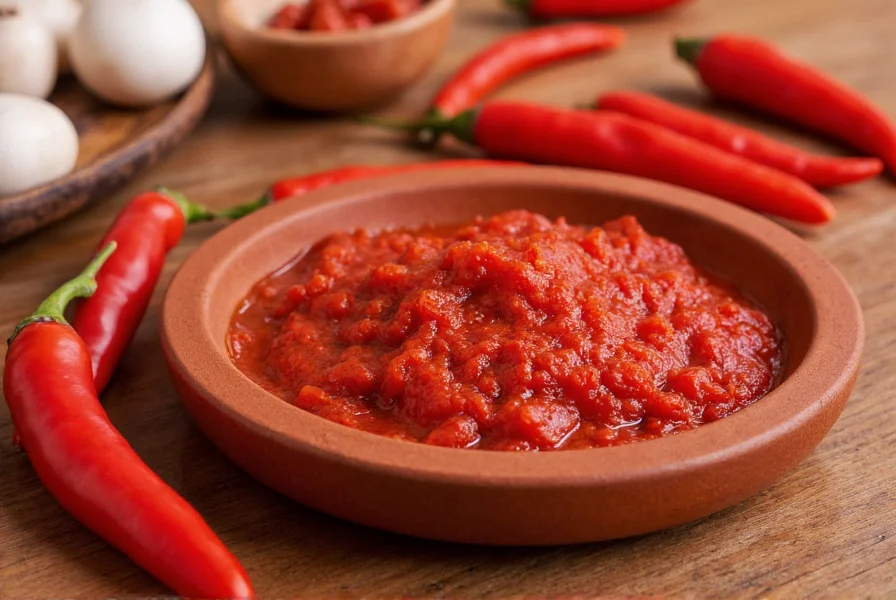
Understanding this vibrant red paste is crucial for anyone exploring Korean cuisine. Gochujang's unique fermentation process—typically lasting 6-12 months—creates its signature complexity that can't be replicated by simple chili sauces. Unlike fresh chili pastes, gochujang develops rich umami notes through natural fermentation, making it indispensable in both traditional and modern fusion cooking.
What Exactly Is Korean Hot Pepper Paste?
Gochujang (literally "red chili paste") has been a Korean pantry staple for over 500 years, originating during the Joseon Dynasty. This deep crimson paste gets its color from Korean red pepper flakes (gochugaru) and its distinctive flavor from a slow fermentation process involving Bacillus bacteria and Aspergillus molds. Traditional production involves mixing sun-dried gochugaru with nuruk (a Korean fermentation starter), glutinous rice flour, and salt, then aging the mixture in onggi (Korean earthenware pots) for months.
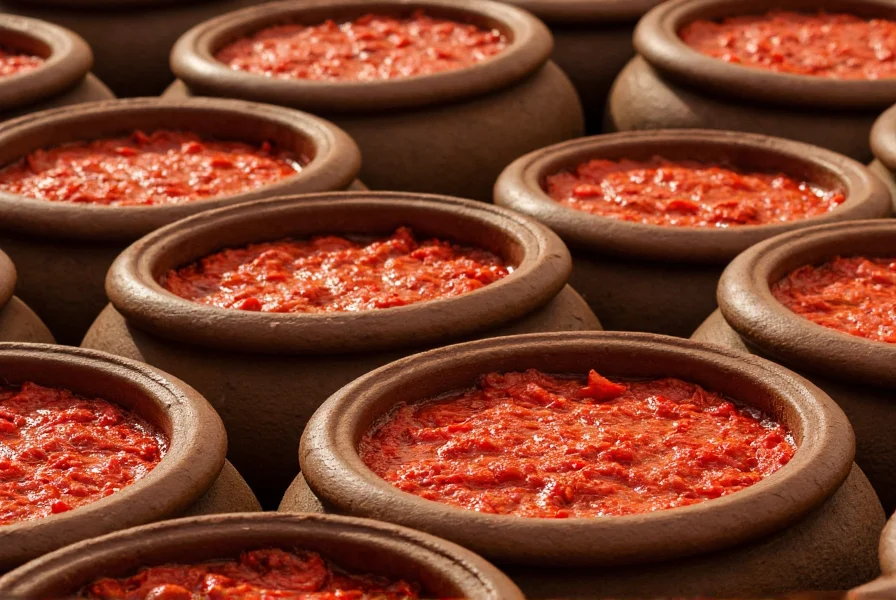
Historical Evolution of Gochujang
Gochujang's development reflects Korea's agricultural and culinary evolution, with documented milestones verified through historical records and cultural heritage documentation. According to the Academy of Korean Studies' Encyclopedia of Korean Culture:
- 1600s (Joseon Dynasty): First recorded in Siuijeonseo (17th-century royal cookbook), initially made without red peppers (which arrived later from the Americas). Early versions used fermented soybeans and grains.
- Late 1600s: Korean red peppers incorporated after introduction to Korea, creating the modern form. Fermentation in onggi pots became standardized practice.
- 1800s: Commercial production expanded in regions like Jeonju, with family recipes passed through generations. The term "gochujang" (고추장) became standardized.
- 1984: Traditional production methods designated as Important Intangible Cultural Heritage (No. 88) by the Korean government.
Source: Academy of Korean Studies, Encyclopedia of Korean Culture: Gochujang
Key Ingredients and Flavor Profile
The magic of authentic gochujang comes from four essential components working in harmony:
- Korean red pepper powder (gochugaru) - Provides both heat and distinctive fruitiness
- Glutinous rice - Adds sweetness and helps fermentation
- Fermented soybean powder - Contributes umami depth
- Brine solution - Facilitates the fermentation process
This combination creates a flavor profile that's simultaneously spicy (but not overwhelmingly hot), sweet, savory, and slightly tangy. The fermentation process develops complex compounds that give gochujang its characteristic depth—something store-bought substitutes often miss.
Gochujang vs. Similar Condiments
Many confuse gochujang with other Asian chili products, but key differences exist:
| Condiment | Texture | Heat Level | Key Ingredients | Best Used For |
|---|---|---|---|---|
| Gochujang | Thick paste | Moderate (3-5/10) | Chili powder, rice, soybean | Marinades, stews, sauces |
| Gochugaru | Flakes/powder | Variable (5-8/10) | Dried chili peppers | Seasoning, kimchi |
| Sriracha | Thin sauce | High (7/10) | Chili, vinegar, garlic | Drizzling, dipping |
| Doubanjiang | Chunky paste | Moderate (4/10) | Fermented beans, chili | Stir-fries, braises |
Understanding these distinctions helps prevent common substitution errors. While sriracha provides immediate heat, gochujang offers layered complexity that develops during cooking—a crucial difference when following authentic Korean recipes.
Optimal Use Cases and Limitations
Gochujang excels in specific culinary contexts but has defined limitations verified by the Korean Food Promotion Institute's usage guidelines:
- Ideal applications:
- Slow-cooked dishes (stews, braises) where fermentation complexity develops over time
- Marinades requiring umami depth (e.g., bulgogi)
- Cold applications like bibimbap sauce (where raw heat would be overwhelming)
- Key limitations:
- Not suitable for raw applications requiring fresh chili flavor (use gochugaru instead)
- Prone to burning during high-heat stir-frying due to sugar content (dilute with stock)
- Gluten concerns in strict diets (some commercial brands use wheat-based nuruk)
Professional chefs emphasize that substituting gochujang in Sichuan recipes fails to replicate doubanjiang's bean-forward profile, while its fermented sweetness makes it unsuitable for dishes requiring immediate sharp heat. For authentic results, always match the condiment to the dish's structural requirements.
Source: Korean Food Promotion Institute, "Traditional Korean Condiments Guide"
Essential Culinary Applications
Gochujang's versatility extends far beyond traditional Korean dishes. Professional chefs value it for several key applications:
Traditional Korean Dishes
- Tteokbokki - The chewy rice cakes get their signature spicy-sweet sauce from gochujang
- Bibimbap sauce - Mixed with sesame oil and vinegar for the classic bowl topping
- Bulgogi marinade - Combined with soy sauce and pear for tender, flavorful beef
- Kimchi seasoning - Some regional variations include gochujang in the paste
Modern Fusion Techniques
Chefs worldwide now use gochujang to elevate non-Korean dishes:
- As a pizza base instead of tomato sauce
- Blended into mayonnaise for spicy dipping sauces
- Added to barbecue rubs for complex heat
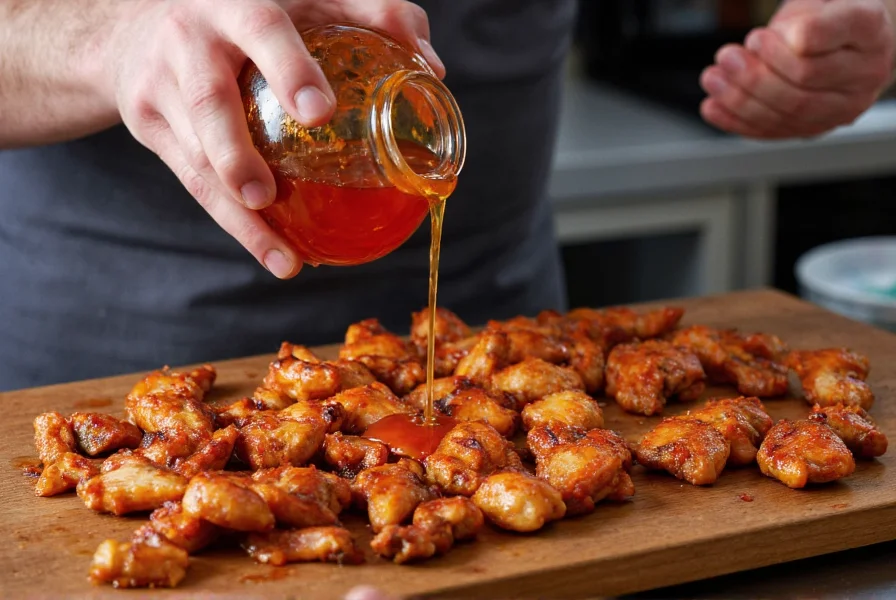
- Mixed with honey for glazes on roasted vegetables
Proper Storage and Shelf Life
Does korean hot pepper paste need to be refrigerated? Yes—after opening, always refrigerate gochujang in an airtight container. Unopened jars can be stored in a cool, dark pantry for up to 2 years, but once opened, refrigeration extends freshness for 1-2 years. The high salt content and fermentation make it remarkably stable, but watch for:
- Mold growth on the surface (discard if present)
- Significant darkening beyond deep red
- Off-putting sour or alcoholic smells
Stir well before use if liquid separates—this is normal in traditionally fermented products.
Reliable Substitutes When Gochujang Is Unavailable
Finding authentic korean hot pepper paste substitute options depends on your specific need:
- For marinades: Mix 1 tbsp gochugaru + 1 tbsp miso + 1 tsp sugar + 1 tsp vinegar
- For stews: Combine doenjang (soybean paste) with a touch of cayenne and honey
- Quick alternative: Blend tomato paste, Korean chili flakes, and a bit of sweetener
Remember that no substitute perfectly replicates gochujang's fermented complexity. When possible, seek authentic brands like Chung Jung One or Sempio at Asian markets or online retailers specializing in Korean ingredients.
Nutritional Profile and Health Considerations
Two tablespoons (32g) of gochujang typically contain:
- 50-60 calories
- 10-12g carbohydrates
- 1-2g protein
- Negligible fat
- 300-400mg sodium
The fermentation process creates beneficial compounds including capsaicin (from chilies) and isoflavones (from soybeans). While not a health food per se, traditionally made gochujang contains probiotics from natural fermentation. Those monitoring sodium intake should use it judiciously, as it's relatively high in salt.




 浙公网安备
33010002000092号
浙公网安备
33010002000092号 浙B2-20120091-4