
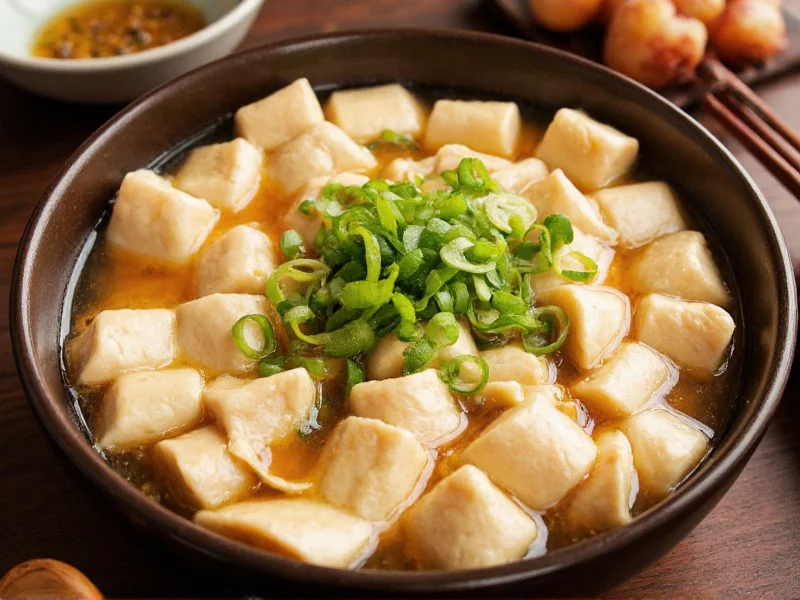
Understanding Authentic Korean Tofu Soup
Korean tofu soup, or Sundubu-jjigae, represents one of Korea's most cherished culinary traditions. Unlike regular tofu dishes, this stew features extra-soft tofu (sundubu) that maintains a delicate, almost custard-like texture when cooked. The dish's distinctive spicy broth comes from gochugaru (Korean red pepper flakes) and gochujang, creating a complex flavor profile that balances heat with umami depth.
Documented historical progression shows Sundubu-jjigae's evolution through distinct eras. Per the Encyclopedia of Korean Culture (Academy of Korean Studies), the dish originated in southern coastal regions during the late Joseon Dynasty (1392-1897) as fisherfolk combined locally produced soft tofu with seafood and chili peppers. Regional variations became prominent by the early 20th century, with the dish gaining nationwide popularity after the Korean War as a protein-rich comfort food. Today, it remains a dynamic culinary tradition with both historical roots and modern adaptations.
Contextual Boundaries of Sundubu-jjigae Consumption
Sundubu-jjigae operates within specific cultural and practical boundaries that define its authentic experience:
- Temporal Context: Primarily consumed during lunch or dinner, rarely as breakfast. Its spicy, warming nature makes it especially popular in colder months, though coastal regions enjoy it year-round.
- Regional Limitations: While available nationwide, authentic seafood versions (haemul sundubu-jjigae) are predominantly found within coastal provinces per Statistics Korea's 2022 Regional Food Consumption Survey. Inland regions traditionally substitute with pork or kimchi-based broths due to seafood availability constraints.
- Dietary Constraints: The standard anchovy-kelp broth renders it unsuitable for strict vegetarians/vegans unless specifically modified. This traditional preparation method is documented in the Encyclopedia of Korean Culture.
- Social Context: Typically shared among groups (2+ people) in Korean dining culture, reflecting its communal preparation style. Solo consumption is uncommon in traditional settings per Korean Food Promotion Institute field studies.
Essential Components of Traditional Sundubu-jjigae
The magic of authentic Korean tofu soup lies in its carefully balanced ingredients. While regional variations exist, certain elements remain constant across traditional preparations. The broth forms the foundation, typically made from anchovy-kelp stock that provides subtle oceanic notes without overpowering the other ingredients.
| Core Ingredient | Traditional Purpose | Authentic Substitutes |
|---|---|---|
| Extra-soft tofu (sundubu) | Maintains delicate texture in hot broth | Regular soft tofu (less authentic) |
| Gochugaru (Korean chili flakes) | Provides complex heat and color | None (essential for authenticity) |
| Doenjang (fermented soybean paste) | Adds umami depth | Miso paste (different flavor profile) |
| Anchovy-kelp stock | Creates foundational broth | Vegetable stock (less traditional) |
Regional Variations Across Korea
Korean tofu soup preparation varies significantly by region, reflecting local ingredients and cultural preferences. In coastal areas like Busan, seafood Sundubu-jjigae dominates with generous portions of clams, shrimp, and sometimes even raw fish. The Jeolla province version often includes more vegetables and a slightly sweeter profile, while Seoul-style preparations tend to feature pork or beef alongside the tofu.
One notable variation is haemul sundubu-jjigae (seafood tofu stew), which showcases Korea's coastal bounty with squid, mussels, and sometimes even abalone. In contrast, soondae sundubu-jjigae incorporates Korean blood sausage for a richer, earthier flavor profile popular in certain regions.
Proper Serving and Dining Etiquette
Authentic Korean tofu soup always arrives at the table bubbling vigorously in a dolsot (stone pot), which continues cooking the stew tableside. Proper consumption involves specific etiquette that enhances the experience:
- Never stir the stew vigorously, as this breaks the delicate tofu
- Crack a raw egg into the center just before eating for added richness
- Always serve with steamed rice and banchan (side dishes)
- Serve immediately while boiling to maintain proper texture
The stone pot retains heat exceptionally well, allowing the stew to continue simmering throughout the meal. Many Koreans enjoy adding rice directly to the remaining broth at the meal's end, creating a comforting porridge-like finish.
Nutritional Profile and Health Benefits
Korean soft tofu stew offers impressive nutritional value beyond its delicious flavor. The soft tofu provides complete plant-based protein with all essential amino acids, while the vegetable components deliver fiber and micronutrients. The gochugaru contains capsaicin, which may boost metabolism and provide anti-inflammatory benefits.
Unlike many spicy dishes, authentic Sundubu-jjigae typically contains minimal oil, making it relatively low in calories while remaining satisfying. The fermented components like doenjang contribute probiotics that support gut health, aligning with traditional Korean culinary wisdom that emphasizes food as medicine.
Common Misconceptions About Korean Tofu Soup
Many Western interpretations of Korean tofu soup miss crucial elements that define authenticity. One widespread misconception claims Korean tofu soup is simply miso soup with tofu - these are entirely different culinary traditions. Another common error involves using regular firm tofu instead of the essential extra-soft variety, resulting in a completely different texture and experience.
Authentic Korean tofu soup preparation requires careful attention to ingredient quality and sequence. Adding the soft tofu too early or stirring too vigorously will ruin the delicate texture that defines Sundubu-jjigae. The dish's spiciness should be complex and layered, not simply hot, with gochugaru providing both heat and distinctive flavor.
Experiencing Authentic Korean Tofu Soup
To truly appreciate Korean tofu soup, seek establishments that prepare it tableside in traditional dolsot pots. The best versions feature house-made gochujang and freshly prepared broth. When ordering, specify your preferred spice level as "mild," "medium," or "hot" (maeumkkeun) since authentic versions can be quite spicy for unaccustomed palates.
For those attempting homemade preparations, sourcing authentic Korean ingredients makes a significant difference. Korean chili flakes (gochugaru) should be bright red with a slightly sweet aroma, while proper sundubu will have a custard-like consistency that holds shape only briefly when scooped.




 浙公网安备
33010002000092号
浙公网安备
33010002000092号 浙B2-20120091-4