
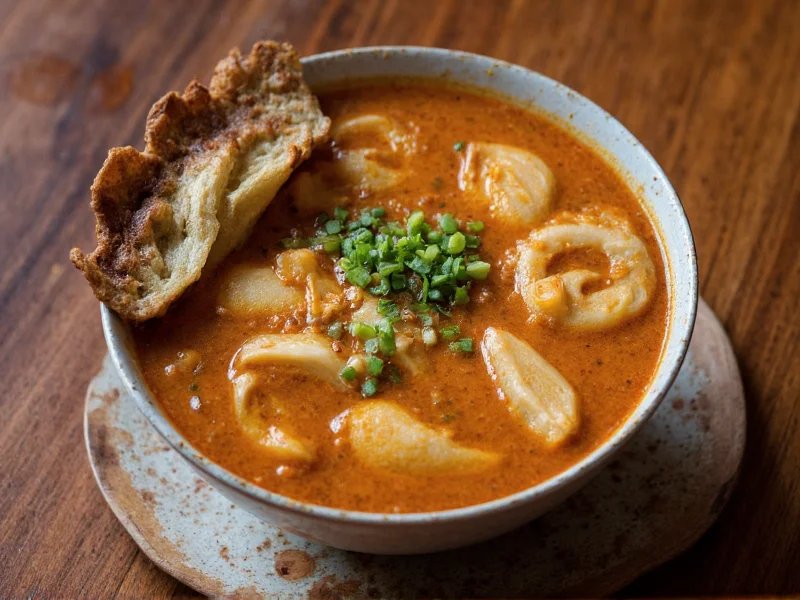
Korean cuisine features one of the world's most sophisticated soup traditions, where broth-based dishes serve as nutritional anchors and cultural touchstones. Unlike Western soup courses, Korean food soup varieties appear throughout meals as essential components that balance flavors and provide nourishment. The Korean culinary philosophy considers soup indispensable for maintaining bodily harmony, particularly through fermented ingredients that support gut health.
Understanding Korean Soup Classification
Korean culinary tradition categorizes soups based on preparation method, consistency, and purpose. This classification system reveals the sophistication of Korean food soup culture:
| Soup Type | Characteristics | Common Ingredients | Serving Temperature |
|---|---|---|---|
| Guk | Light, clear broths | Beef or anchovy broth, vegetables,少量 meat | Hot |
| Tang | Thicker, heartier preparations | Meat bones, slow-simmered for hours | Hot |
| Jjigae | Spicy, fermented stews | Gochujang, doenjang, tofu, vegetables | Very hot |
| Jeongol | Formal hot pot dishes | Multiple proteins, mushrooms, vegetables | Simmering |
Essential Korean Soup Varieties
Understanding authentic Korean soup dishes requires familiarity with these foundational varieties that represent centuries of culinary evolution:
Kimchi Jjigae (김치찌개)
This iconic spicy stew features aged kimchi as its flavor foundation, creating complex umami notes through fermentation. Traditional preparation involves simmering kimchi with tofu, pork belly, and gochugaru (Korean red pepper flakes) until the broth develops its characteristic deep red color and robust flavor profile. Many Korean households maintain a dedicated kimchi jjigae pot that develops seasoning over time, enhancing each subsequent batch. This traditional Korean soup dish exemplifies how Korean cuisine transforms simple ingredients through fermentation science.
Doenjang Jjigae (된장찌개)
Prepared with fermented soybean paste, this comforting stew represents Korea's vegetarian-friendly options while delivering substantial protein. Authentic preparation requires careful balancing of doenjang with fresh ingredients like zucchini, potatoes, onions, and clams or tofu. The paste's fermentation process creates natural glutamates that provide umami depth without meat. Regional variations exist across Korea, with coastal areas incorporating seafood while mountain regions use wild greens. This Korean soup type demonstrates the country's mastery of fermented foods for both flavor and nutrition.
Sundubu Jjigae (순두부찌개)
Featuring extra-soft tofu in a spicy broth, this popular dish often includes seafood or meat and a raw egg cracked into the simmering pot tableside. The delicate tofu absorbs surrounding flavors while maintaining its silky texture. Restaurants specializing in sundubu jjigae typically offer multiple heat levels, with the broth's spiciness balanced by the tofu's creaminess. This Korean food soup variety has gained international popularity for its customizable heat level and satisfying texture contrast.
Seolleongtang (설렁탕)
This milky-white ox bone soup requires 12-24 hours of continuous simmering to extract collagen and marrow, creating its signature cloudy appearance and rich mouthfeel. Served with thin wheat noodles and subtle seasoning, this restorative broth represents Korean culinary patience and respect for ingredients. Traditionally consumed as a hangover remedy or post-illness restorative, seolleongtang's preparation demonstrates Korea's bone broth tradition that predates contemporary Western bone broth trends by centuries. This traditional Korean soup dish showcases the country's approach to food as medicine.
Cultural Significance of Korean Soups
In Korean dining culture, soup isn't merely a course but an essential element that completes the meal. Unlike Western traditions where soup often serves as an appetizer, Korean food soup accompanies rice and banchan (side dishes) throughout the meal. The Korean concept of "bap-sui" (rice-water) reflects the belief that rice needs liquid to properly nourish the body.
Seasonal variations play crucial roles in Korean soup traditions. Summer features lighter soups like miyeokguk (seaweed soup), while winter brings heartier options like galbitang (short rib soup). Special occasions feature specific soups - miyeokguk appears at birthdays to honor mothers, while tteokguk (rice cake soup) signifies new beginnings during Lunar New Year.
Historical Evolution of Korean Soup Traditions
Korean soup traditions have evolved through distinct historical phases, with documented evidence from Korea's National Institute of Korean History showing how geopolitical shifts influenced culinary development:
- Three Kingdoms Period (57 BC – 668 AD): Earliest records indicate simple vegetable and meat broths, with archaeological evidence of pottery vessels designed specifically for simmering.
- Goryeo Dynasty (918–1392): Buddhist prohibition of meat led to vegetarian soup innovations using wild greens and mushrooms, documented in medical texts like Dongui Bogam.
- Joseon Dynasty (1392–1897): Introduction of chili peppers via Japanese trade routes (16th century) revolutionized jjigae recipes, while soybean fermentation techniques reached maturity.
- Post-Korean War (1953–present): Standardization of regional recipes occurred through government food documentation projects, with international spread accelerated by Korean diaspora communities.
This chronological progression demonstrates how Korean soups evolved from basic sustenance to complex culinary expressions through agricultural adaptation and cultural exchange. Source: National Institute of Korean History - Food Culture Timeline
Key Ingredients in Authentic Korean Soups
Three foundational elements distinguish Korean food soup from other Asian soup traditions:
- Gochujang - Fermented red pepper paste providing complex heat and umami
- Doenjang - Traditional soybean paste creating deep savory notes
- Gochugaru - Korean red pepper flakes adding vibrant color and adjustable heat
These fermented components work synergistically with base broths typically made from dried anchovies, kelp, or beef bones. The fermentation process creates natural glutamates that enhance flavor without artificial additives. Modern Korean chefs increasingly highlight regional variations, with Jeju Island incorporating seafood broths while mountainous regions feature wild herbs and mushrooms in their traditional Korean soup preparations.
Regional Variations and Contextual Boundaries
Korean soup traditions exhibit significant regional diversity shaped by local climate, agriculture, and cultural practices. The Korean Food Promotion Institute's 2023 regional cuisine report documents these contextual variations:
| Region | Signature Soup | Key Ingredients | Seasonal Preference |
|---|---|---|---|
| Seoul/Gyeonggi | Seolleongtang | Ox bones, rice noodles | Winter (cold weather) |
| Jeju Island | Haemul Sundubu-jjigae | Seafood, soft tofu, gochujang | Year-round (mild climate) |
| Busan | Milmyeon | Wheat noodles, spicy broth | Summer (cooling effect) |
| Andong | Andong Jjimdak | Braised chicken, vegetables, soy sauce | Fall (harvest season) |
Understanding these contextual boundaries is essential for authentic appreciation. For instance, while kimchi jjigae is consumed nationwide, its spiciness level varies regionally—milder in northern provinces and intensely spicy in southern coastal regions. Additionally, certain soups have dietary limitations: doenjang jjigae provides plant-based protein but may not suit individuals with soy allergies, and seolleongtang's high fat content (approximately 18g per serving) makes it less appropriate for daily consumption by those managing cardiovascular health. These contextual factors demonstrate how Korean soup culture balances flavor, tradition, and practical health considerations. Source: Korean Food Promotion Institute - Regional Cuisine Report 2023
Experiencing Authentic Korean Soup Culture
To properly appreciate Korean food soup varieties, consider these cultural insights:
First, understand that soup in Korea serves as a flavor balancer rather than a standalone dish. Koreans typically take alternating bites of rice, banchan, and soup to create harmonious flavor combinations. Many traditional Korean soup restaurants specialize in single dishes, perfecting one recipe over generations. The best establishments often feature communal pots where broth continuously simmers, developing complex flavors through repeated use.
When preparing Korean soups at home, patience proves essential. Authentic flavors develop through proper fermentation and slow cooking rather than quick fixes. Beginners should start with simpler varieties like miyeokguk before attempting complex broths like seolleongtang. Local Korean markets provide authentic ingredients that significantly impact final flavor profiles compared to substitutions.




 浙公网安备
33010002000092号
浙公网安备
33010002000092号 浙B2-20120091-4