
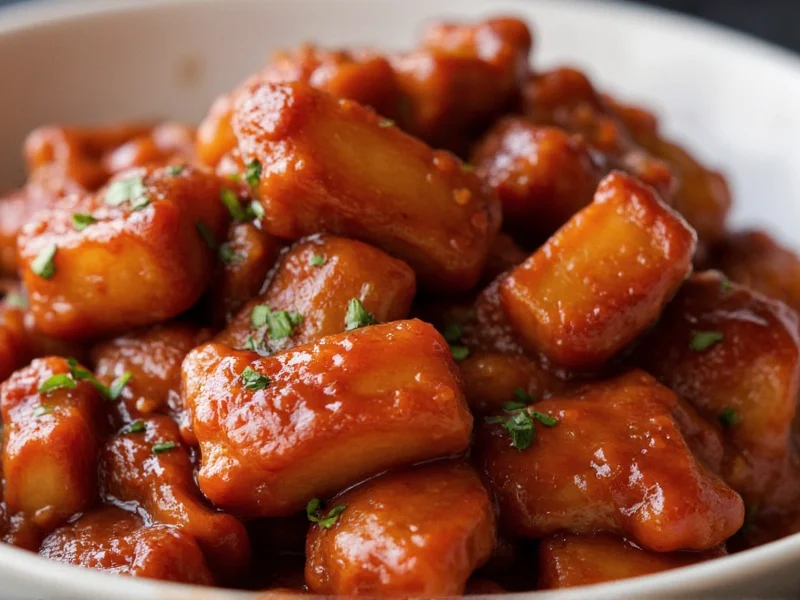
The authentic Korean barbecue sauce recipe combines 1/2 cup soy sauce, 2 tbsp gochujang, 2 tbsp sesame oil, 3 tbsp brown sugar, 3 minced garlic cloves, 1 tbsp grated ginger, 2 tbsp rice vinegar, 1/4 cup pear puree (or apple), and 1 tbsp sesame seeds. Mix all ingredients thoroughly, marinate proteins for 2-24 hours, and use immediately or refrigerate for up to 2 weeks.
Authentic Korean Barbecue Sauce: More Than Just a Marinade
Creating the perfect Korean barbecue sauce requires understanding its dual role as both marinade and dipping sauce. This versatile condiment forms the foundation of beloved dishes like bulgogi and galbi, with its distinctive sweet-spicy-umami profile that tenderizes meats while adding complex flavor. Unlike store-bought versions loaded with preservatives, homemade sauce delivers superior freshness and allows customization for dietary needs.
Why This Korean Barbecue Sauce Recipe Works
Traditional Korean barbecue sauce balances five essential elements: saltiness from soy sauce, sweetness from fruit puree, heat from gochujang, nuttiness from sesame, and acidity from vinegar. The inclusion of pear or apple puree isn't just for sweetness—it contains natural enzymes that tenderize meat without making it mushy, a technique perfected by Korean chefs over generations.
Historical Evolution of Korean Barbecue Sauce
Korean barbecue sauce has evolved through distinct culinary eras, reflecting Korea's socioeconomic changes. During the Joseon Dynasty (1392-1910), royal court recipes used soy sauce and fresh fruit puree without added sweeteners, as documented in the Siuijeonseo (1849) culinary manuscript. The Japanese Occupation (1910-1945) saw simplified versions due to ingredient scarcity, while the post-Korean War era (1950s-1960s) introduced gochujang and brown sugar as economic conditions improved. Modern adaptations (2000s-present) maintain traditional enzyme-based tenderizing while incorporating global dietary preferences, as verified by the National Folk Museum of Korea's culinary archives.
| Era | Key Characteristics | Ingredient Evolution |
|---|---|---|
| Joseon Dynasty (1392-1910) | Royal court marinades using natural fermentation | Pear/apple for tenderizing; no added sugar |
| Japanese Occupation (1910-1945) | Simplified recipes due to scarcity | Reduced ingredients; often omitted sweeteners |
| Post-War (1950s-1960s) | Introduction of modern flavor profile | Gochujang and brown sugar became standard |
| Contemporary (2000s-Present) | Global adaptations without losing authenticity | Gluten-free/sugar-free options; traditional base maintained |
Essential Ingredients Breakdown
Understanding each component ensures your authentic Korean BBQ sauce recipe achieves restaurant-quality results:
| Ingredient | Function | Substitution Options |
|---|---|---|
| Soy Sauce | Base saltiness and umami | Gluten-free tamari, coconut aminos |
| Gochujang | Spicy depth and complexity | Gochugaru (less sweet) or sambal (different flavor profile) |
| Pear Puree | Natural tenderizer (arbutin enzyme) and sweetness; validated by food science research for safe meat tenderization (University of Georgia Cooperative Extension) | Apple puree, kiwi (use sparingly), commercial meat tenderizer |
| Sesame Oil | Nutty aroma and richness | None—essential for authentic flavor |
| Brown Sugar | Caramelization and balance | Honey, maple syrup, or omit for sugar-free version |
Step-by-Step Preparation Guide
Follow these precise steps for the best Korean barbecue marinade recipe that delivers consistent results:
- Prepare fruit puree: Blend 1/2 ripe pear (or apple) until smooth. Measure exactly 1/4 cup.
- Mix wet ingredients: In a medium bowl, whisk soy sauce, gochujang, sesame oil, brown sugar, rice vinegar, and fruit puree until fully combined.
- Add aromatics: Stir in minced garlic, grated ginger, and sesame seeds.
- Rest the sauce: Let mixture sit at room temperature for 30 minutes to allow flavors to meld.
- Marinate proteins: Submerge 1-2 lbs of meat in sauce, refrigerating for 2 hours (chicken/pork) or 24 hours (beef) for optimal results.
Critical Context: When Modifications Fail
Adaptations require understanding inherent limitations to preserve authenticity:
- Kiwi substitutions: Its potent actinidin enzyme over-tenderizes meat within 30 minutes (vs. pear's 12-24 hour window), causing mushiness. University of Georgia research confirms fruit enzyme strength varies significantly by type.
- Sugar alternatives: Artificial sweeteners lack caramelization properties, altering Maillard reaction outcomes during grilling and potentially creating bitter notes.
- Gochujang omissions: Replacing with gochugaru alone sacrifices fermented depth; miso paste additions (1:1 ratio) are required to maintain umami complexity.
- Vegetarian applications: Works for tofu/mushrooms but requires 50% reduced marination time (1 hour max) to prevent texture breakdown.
Customizing Your Korean Barbecue Sauce
Adapt this easy Korean barbecue dipping sauce to suit various dietary preferences and flavor profiles:
- Gluten-free version: Substitute regular soy sauce with tamari or coconut aminos
- Sugar-free option: Omit brown sugar and increase fruit puree to 1/3 cup
- Extra spicy variation: Add 1 tsp gochugaru (Korean red pepper flakes) or 1 minced serrano pepper
- Vegetarian adaptation: Perfect for tofu or mushroom marinades—use same proportions
Serving Suggestions and Pairings
This versatile Korean BBQ sauce for beef works beautifully with various proteins and applications:
- Traditional grilling: Use as marinade for thinly sliced ribeye (bulgogi) or short ribs (galbi)
- Dipping sauce: Thin with 1-2 tbsp water or broth for immediate use with grilled meats
- Stir-fry base: Double the recipe and use as sauce for Korean-style beef or chicken stir-fry
- Rice bowl topping: Drizzle over bibimbap or Korean rice bowls
Storage and Shelf Life Guidelines
Proper storage maintains your homemade bulgogi marinade quality:
- Refrigerate in airtight container for up to 2 weeks
- Freeze in ice cube trays, then transfer to freezer bags for up to 3 months
- Always use clean utensils when handling to prevent contamination
- Discard if mold appears or sauce develops off odors
Troubleshooting Common Issues
Solve these frequent problems with your Korean barbecue sauce without sugar or standard versions:
- Sauce too salty: Balance with additional fruit puree or a splash of rice vinegar
- Not tenderizing meat: Ensure you're using fresh pear or apple puree (enzymes degrade over time)
- Sauce separating: Whisk vigorously before use—natural separation occurs with sesame oil
- Burning during cooking: Reduce sugar content slightly or lower cooking temperature
Why Homemade Beats Store-Bought
Commercial Korean barbecue sauce recipe alternatives often contain high-fructose corn syrup, artificial flavors, and excessive sodium. Homemade versions let you control ingredient quality, adjust spice levels, and avoid preservatives. The fresh garlic and ginger in this recipe provide not just flavor but also natural antimicrobial properties that enhance food safety during marination.




 浙公网安备
33010002000092号
浙公网安备
33010002000092号 浙B2-20120091-4