
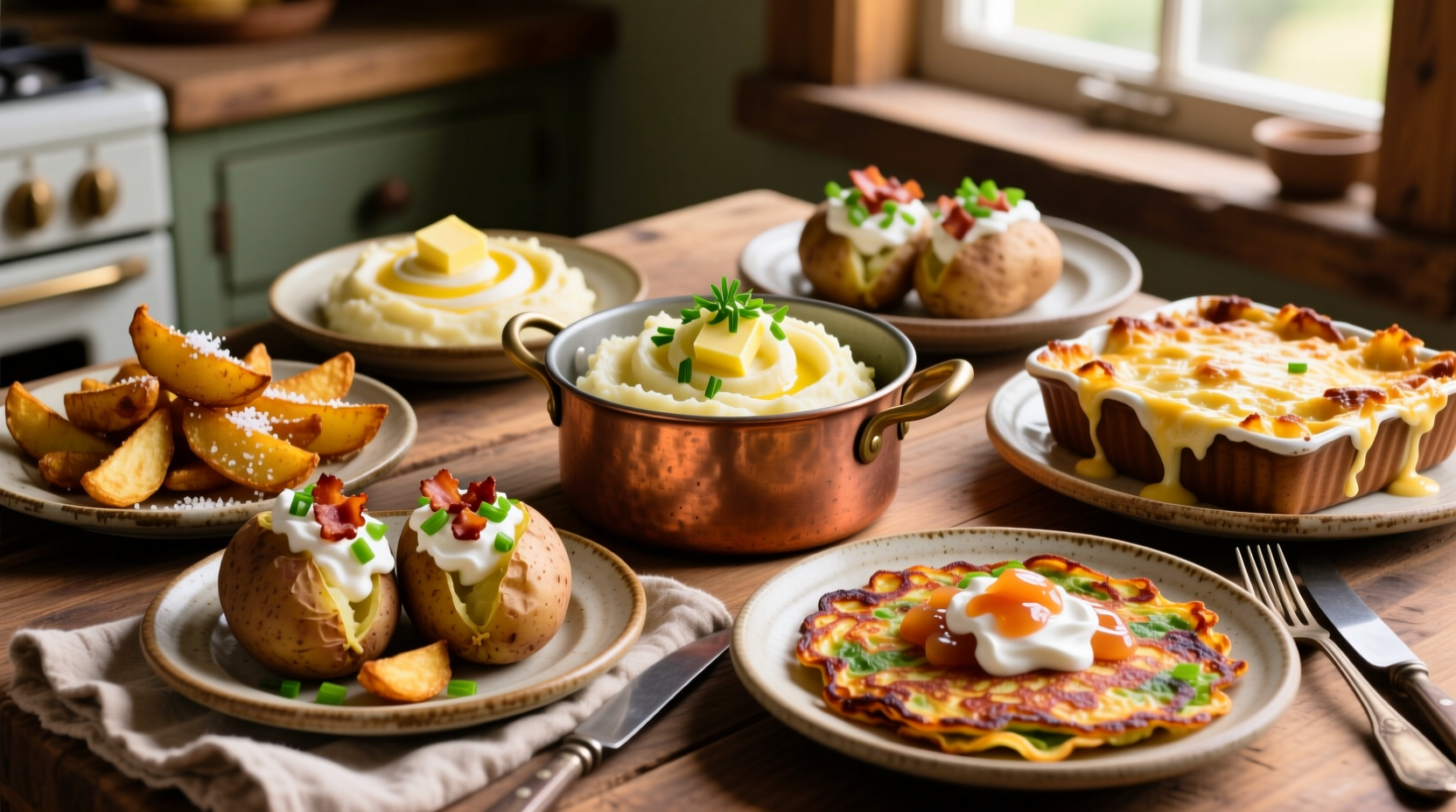
Discover why potatoes remain one of the world's most versatile ingredients across cultures and cuisines. With over 4,000 varieties cultivated globally, potatoes adapt to countless cooking techniques while providing essential nutrients. This comprehensive guide helps home cooks navigate the diverse world of potato preparations, ensuring you select the perfect variety and method for every culinary need.
Global Potato Specialties by Region
From European classics to South American traditions, potatoes have become integral to regional cuisines worldwide. The tuber's journey from Andean highlands to global staple created distinctive preparations reflecting local ingredients and cooking traditions.
| Region | Signature Dish | Key Characteristics | Historical Origin |
|---|---|---|---|
| France | Gratin Dauphinois | Creamy baked potatoes with garlic | 18th century Dauphiné region |
| Peru | Causa Rellena | Layered yellow potato terrine with fillings | Pre-Columbian Inca civilization |
| India | Aloo Gobi | Spiced potato and cauliflower curry | 17th century Mughal influence |
| Ireland | Colcannon | Mashed potatoes with kale or cabbage | 18th century Irish farmhouse cooking |
According to the Food and Agriculture Organization of the United Nations, potatoes now feature in traditional dishes across 150 countries, with each region developing unique preparations based on local climate, available ingredients, and cultural preferences. The International Potato Center in Peru documents over 3,000 traditional potato preparations worldwide, highlighting the tuber's remarkable culinary adaptability.
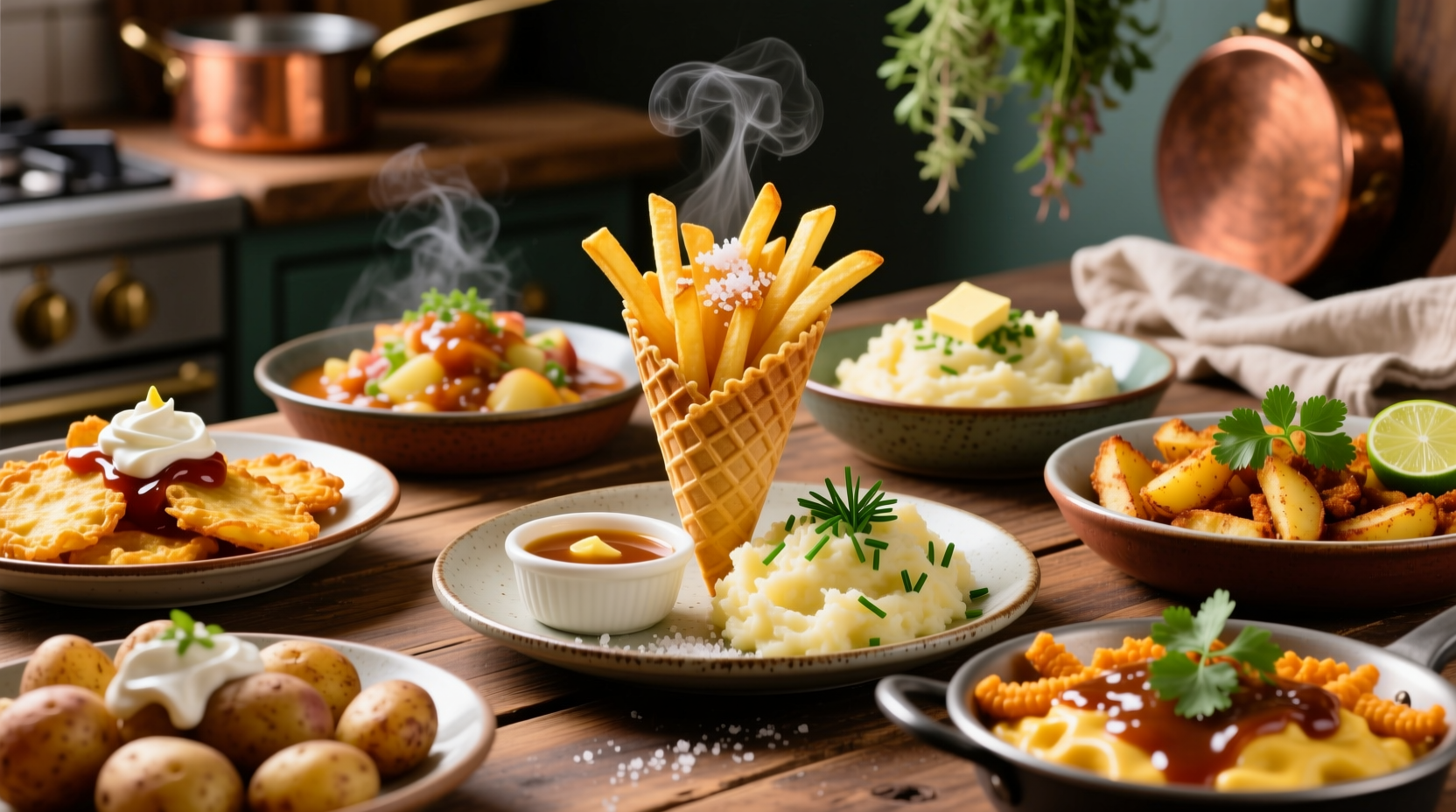
Mastering Cooking Methods for Perfect Results
Your cooking technique dramatically affects texture and flavor. Understanding these fundamental methods helps you achieve restaurant-quality results at home:
Boiled Potato Dishes
Boiling works best with waxy potatoes like Yukon Gold or fingerlings that maintain structure. Perfect for:
- German Kartoffelsalat (potato salad with vinegar dressing)
- Irish colcannon with greens
- French salade Niçoise with tuna
Baked Potato Creations
Russet potatoes' fluffy interior makes them ideal for baking. Try these approaches:
- Classic baked potato with butter and chives
- Twice-baked potatoes with cheese filling
- Stuffed potatoes with chili or broccoli
Fried Potato Specialties
For optimal frying, use high-starch potatoes and maintain proper oil temperature (350-375°F). Popular preparations include:
- French pommes frites (cut 1/4 inch thick)
- Spanish patatas bravas with spicy sauce
- Indian aloo chaat street food
Meal-Specific Potato Preparations
Match your potato dish to the meal occasion for perfect culinary harmony:
Breakfast Potatoes
Start your day with these hearty morning options:
- Hash browns (shredded potatoes pan-fried until crispy)
- Rösti (Swiss-style grated potato pancake)
- Hasselback potatoes with breakfast toppings
Lunch-Ready Potato Options
Quick preparations perfect for midday meals:
- Potato salad variations (mayo-based, vinegar-dressed, or mustard-style)
- Potato soup with seasonal vegetables
- Potato and leek tartlets
Dinner Centerpieces
Elevate potatoes to main course status:
- Potato gnocchi with seasonal sauces
- Potato-crusted fish or chicken
- Layered potato gratins with protein accompaniments
Potato Selection Guide: Matching Varieties to Dishes
Choosing the right potato variety makes the difference between success and disappointment. Follow this practical guide:
| Potato Type | Best For | Avoid For | Common Varieties |
|---|---|---|---|
| Starchy | Mashed potatoes, baked dishes, French fries | Salads, dishes requiring firm texture | Russet, Idaho, King Edward |
| Waxy | Salads, soups, roasting, boiling | Crispy fries, fluffy mashed potatoes | Yukon Gold, Red Bliss, Fingerling |
| All-Purpose | Most cooking methods | Specialty dishes requiring specific textures | Yukon Gold, Charlotte, German Butterball |
According to research from the University of Maine's Potato Breeding Program, matching potato variety to cooking method significantly impacts dish quality. Starchy potatoes contain 20-22% dry matter, creating fluffy textures when cooked, while waxy varieties with 16-18% dry matter maintain firm structure. This scientific understanding helps explain why certain potatoes excel in specific preparations.
Historical Evolution of Potato Cuisine
Potatoes have transformed from Andean staple to global culinary cornerstone through distinct historical phases:
| Time Period | Key Developments | Notable Dishes Emerged |
|---|---|---|
| 8000-5000 BCE | Domestication in Andes mountains | Chuño (freeze-dried potatoes) |
| 1530s-1600s | Introduction to Europe via Spanish explorers | Early European potato soups |
| 1700s | Widespread European adoption | Gratin Dauphinois, Kartoffelsalat |
| 1840s | Potato famine transforms Irish cuisine | Colcannon, boxty pancakes |
| 1950s | Industrialization of french fry production | Fast food french fries |
This culinary timeline demonstrates how historical events shaped regional potato preparations. The International Potato Center's research shows that traditional preparation methods often developed as practical solutions to local challenges, such as the Inca's chuño preservation technique for high-altitude storage or Irish boxty pancakes making use of limited ingredients during difficult times.
Practical Tips for Perfect Potato Dishes
Apply these professional techniques for consistently excellent results:
- Peel strategically: Leave skins on for nutrients and texture in roasted or boiled dishes; remove for smooth mashed preparations
- Cut uniformly: Ensure even cooking by cutting potatoes to consistent sizes
- Start in cold water: For boiled dishes, begin with cold water to promote even cooking throughout
- Season water properly: Use 1-2 tablespoons salt per quart of water for boiled potatoes
- Don't overmix: Stop mashing while potatoes still have some texture to avoid gummy results
- Rest after cooking: Allow roasted potatoes to rest 5 minutes before serving for optimal texture
Professional chefs recommend testing potatoes for doneness with a knife tip rather than a fork, which can pierce too easily and give false readings. The ideal texture varies by preparation—al dente for salads, completely tender for mashing, and crisp exterior with fluffy interior for roasting.
Adapting Potato Dishes for Dietary Needs
Modern cooking accommodates various dietary requirements without sacrificing flavor:
- Vegan options: Substitute butter with olive oil or avocado oil, use plant-based milk in mashed preparations
- Gluten-free: Potatoes are naturally gluten-free; verify all added ingredients for cross-contamination
- Lower-carb approaches: Try cauliflower-potato blends or focus on smaller portions of higher-fiber varieties
- Dairy-free gratins: Use nutritional yeast or cashew cream for creamy texture without dairy
The Academy of Nutrition and Dietetics confirms that potatoes provide significant potassium, vitamin C, and fiber, especially when prepared with skins intact. A medium potato contains approximately 110 calories and delivers more potassium than a banana, making it a nutrient-dense choice for balanced meals.
Conclusion: Mastering Potato Culinary Possibilities
Understanding the diverse world of potato dishes empowers you to create satisfying meals for any occasion. By matching potato varieties to cooking methods and considering regional traditions, you'll achieve consistently excellent results. Remember that the simplest preparations often showcase potatoes' natural flavor best—whether roasted with herbs, boiled with butter, or fried to golden perfection. Keep this guide handy as you explore new potato recipes and develop your own signature preparations.




 浙公网安备
33010002000092号
浙公网安备
33010002000092号 浙B2-20120091-4