
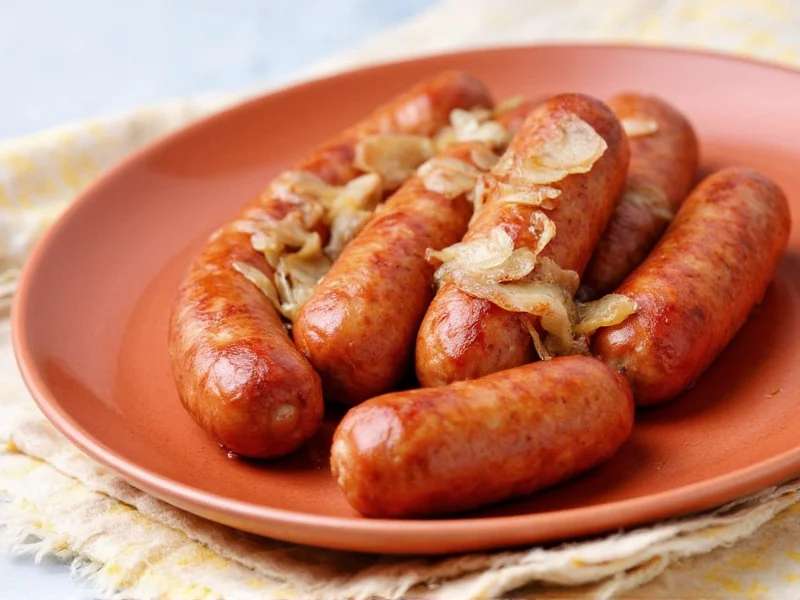
Kielbasa's rich, smoky flavor makes it a versatile ingredient for weeknight dinners. Unlike fresh sausages, this fully cooked smoked sausage only needs reheating, saving valuable cooking time. Whether you're using traditional Polish kielbasa or its American counterpart, these recipes maximize its savory potential while balancing flavors with complementary ingredients.
What Makes Kielbasa Special
Authentic Polish kielbasa (kiełbasa in Polish) refers to any sausage, but in American kitchens, it typically means a U-shaped smoked pork sausage seasoned with garlic, marjoram, and pepper. The smoking process gives it distinctive flavor that stands up well to bold ingredients like cabbage, peppers, and potatoes.
| Type | Characteristics | Best For |
|---|---|---|
| Polish Kielbasa | Garlicky, coarse texture, U-shaped | Traditional recipes, grilling |
| American Kielbasa | Milder, finer grind, straight links | One-pot meals, soups |
| Smoked Kielbasa | Deep smoky flavor, fully cooked | Quick skillet dishes |
| Fresh Kielbasa | Uncured, requires cooking | Custom seasoning applications |
Essential Kielbasa Cooking Techniques
Since most kielbasa is pre-cooked, your goal is enhancing texture and flavor integration. Always slice diagonally across the sausage—this creates more surface area for browning and helps the pieces hold their shape during cooking. For skillet recipes, render the sausage first to capture its flavorful fat, then cook vegetables in that same fat for maximum flavor transfer.
When adding kielbasa to soups or stews, introduce it during the last 15 minutes of cooking. Overcooking makes the sausage tough and causes it to release excess fat into the broth. For oven recipes, arrange sausage pieces in a single layer with vegetables to ensure even cooking and proper caramelization.
5 Reliable Kielbasa Sausage Recipes
One-Pan Kielbasa and Potatoes
This simple kielbasa dinner recipe for two requires just six ingredients. Cube 1.5 lbs of baby potatoes and toss with 2 tablespoons olive oil, 1 teaspoon paprika, salt, and pepper. Roast at 400°F for 20 minutes. Meanwhile, slice 12 oz kielbasa into 1-inch pieces. Add to potatoes along with 1 diced onion and 1 bell pepper. Roast 15-20 minutes more until potatoes are tender and sausage has crispy edges. Finish with fresh parsley.
Kielbasa and Cabbage Skillet
For an authentic Polish kielbasa recipe with cabbage, slice 12 oz kielbasa into coins. Brown in a large skillet, then remove. Sauté 1 diced onion until translucent, then add 4 cups shredded cabbage, 2 minced garlic cloves, 1/4 cup apple cider vinegar, and 1 teaspoon caraway seeds. Cook until cabbage wilts (about 8 minutes), then return sausage to pan. Simmer 10 minutes until flavors meld. This traditional kielbasa and sauerkraut alternative makes a complete meal with minimal cleanup.
Kielbasa Pasta Bake
Combine the heartiness of sausage with comforting pasta in this easy baked kielbasa pasta recipe. Cook 8 oz penne according to package directions. While pasta cooks, brown 12 oz sliced kielbasa with 1 diced onion. Stir in 2 cups marinara sauce, 1 cup cooked white beans, and the pasta. Transfer to a baking dish, top with mozzarella, and bake at 375°F for 20 minutes until bubbly. This kielbasa pasta dinner idea works well for meal prep—store portions for up to four days.
Hearty Kielbasa Soup
Create a warm kielbasa soup recipe for cold days by starting with 4 cups chicken broth. Add 12 oz sliced kielbasa, 1 diced carrot, 1 diced celery stalk, and 1/2 cup diced onion. Simmer 15 minutes, then stir in 1 cup chopped kale and 1/2 cup small pasta shapes. Cook until pasta is tender (about 10 minutes). Finish with a squeeze of lemon juice. This quick kielbasa soup recipe delivers restaurant-quality results in under 30 minutes.
Grilled Kielbasa with Peppers and Onions
For summer entertaining, try this grilled kielbasa recipe with vegetables. Toss 12 oz kielbasa links, 1 sliced bell pepper, and 1 sliced onion with 2 tablespoons olive oil, 2 minced garlic cloves, 1 teaspoon smoked paprika, and salt. Thread onto skewers or use a grill basket. Grill over medium heat 12-15 minutes, turning occasionally, until vegetables are charred and sausage has grill marks. Serve with crusty bread for an easy kielbasa meal for guests.
Ingredient Substitutions and Dietary Adaptations
For gluten-free kielbasa recipes, verify your sausage brand (most traditional kielbasa is naturally gluten-free). When adapting for low sodium kielbasa dishes, choose reduced-sodium varieties and boost flavor with extra garlic, smoked paprika, or a splash of vinegar.
Vegetarian alternatives won't replicate kielbasa's distinctive flavor, but for meatless versions, try smoked tofu or mushroom-based sausages with similar seasonings. For kielbasa recipes using turkey sausage, select smoked varieties to maintain that essential smoky element, though cooking times may need slight adjustment.
Serving Suggestions and Leftover Ideas
Kielbasa's robust flavor pairs well with tangy elements that cut through its richness. Serve any kielbasa dinner recipe with:
- Apple sauce or sliced apples
- Vinegar-based coleslaw
- Mustard dipping sauces
- Rye bread or crusty rolls
Transform leftovers into next-day meals: dice cooked kielbasa and add to omelets, mix with scrambled eggs and potatoes for a hearty breakfast, or chop finely for pizza toppings. Properly stored in an airtight container, cooked kielbasa dishes keep for 3-4 days in the refrigerator.
Frequently Asked Questions
Can I use fresh kielbasa in these recipes?
Yes, but adjust cooking times. Fresh kielbasa requires thorough cooking to 160°F internal temperature. Add 5-7 minutes to skillet recipes or ensure it's fully cooked before adding other ingredients in one-pot meals.
How do I prevent kielbasa from becoming tough?
Avoid overcooking—since most kielbasa is pre-cooked, add it to dishes during the last 10-15 minutes of cooking. When pan-frying, use medium heat rather than high heat to prevent the casing from becoming rubbery.
What's the best way to slice kielbasa for recipes?
Slice diagonally across the sausage at 45-degree angles. This creates oval pieces with more surface area for browning while helping the sausage maintain its shape during cooking. For soups, slice into 1/2-inch coins; for skillet dishes, 1-inch slices work best.
Can I freeze kielbasa recipes?
Yes, most kielbasa dishes freeze well for up to 3 months. Cool completely before freezing in airtight containers. Thaw overnight in the refrigerator before reheating. Soups and baked pasta dishes freeze particularly well, while skillet dishes may have slightly softer vegetables after thawing.




 浙公网安备
33010002000092号
浙公网安备
33010002000092号 浙B2-20120091-4