
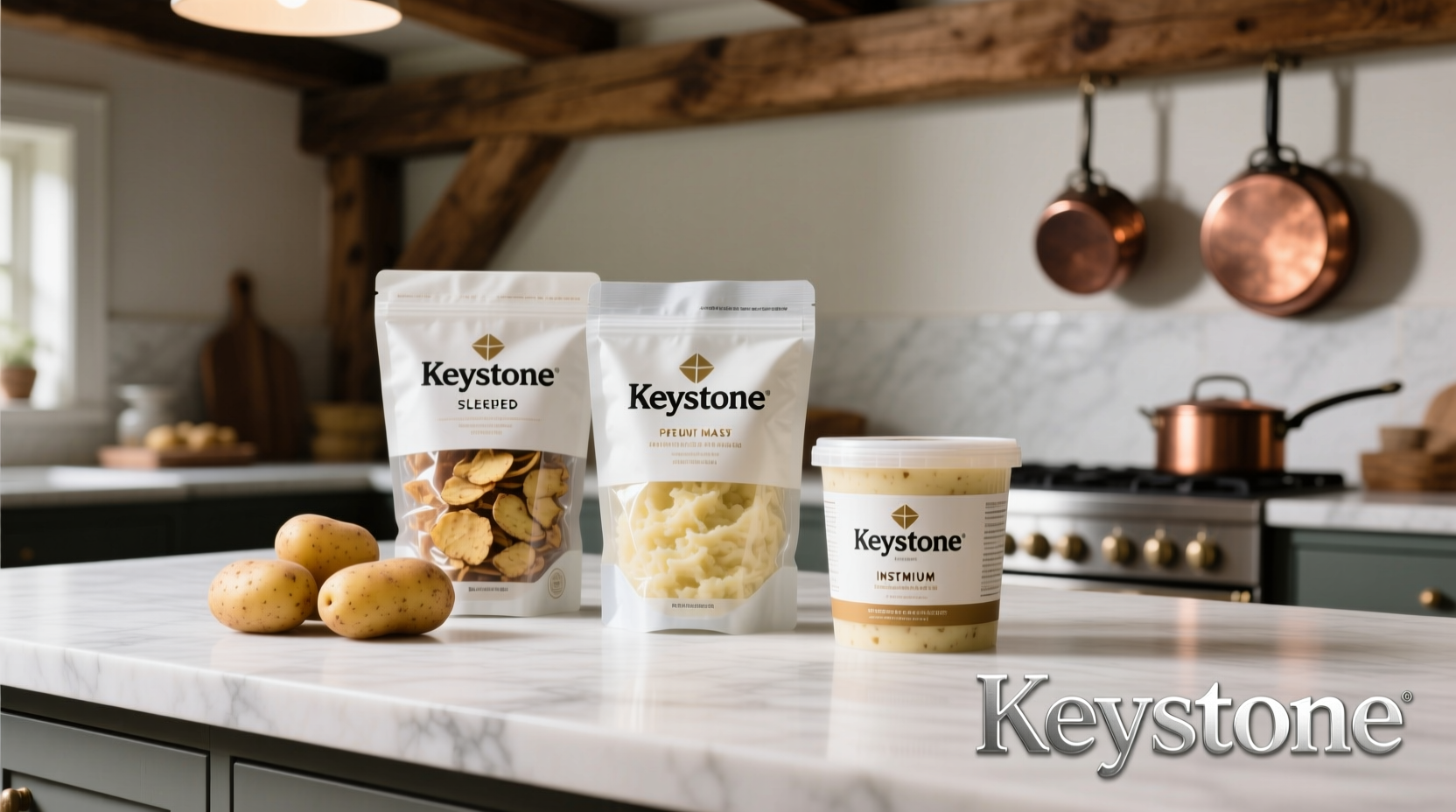
Understanding Keystone Potato Products in the Modern Food Industry
For foodservice operators, retailers, and industrial buyers seeking reliable potato solutions, understanding Keystone Potato Products' offerings provides valuable insight into one of North America's established players in the potato processing sector. With over four decades of specialization in potato transformation, the company has developed expertise across multiple product categories that meet evolving market demands.
Company Evolution: From Regional Processor to Industry Leader
Keystone Potato Products' journey reflects broader trends in agricultural processing. Founded during a period of consolidation in the potato industry, the company has adapted to changing consumer preferences and technological advancements. Unlike many startups that entered the potato processing space during the 1970s, Keystone maintained focus on quality control and vertical integration that positioned it for long-term success.
| Company Milestone | Year | Significance |
|---|---|---|
| Company founded as regional processor | 1978 | Initial focus on supplying local restaurants with frozen french fries |
| First dehydration facility established | 1985 | Expanded product range to include potato flakes for industrial applications |
| National distribution network completed | 1993 | Achieved coast-to-coast coverage in the United States |
| Implementation of sustainable farming partnerships | 2005 | Established direct relationships with potato growers meeting specific quality standards |
| Expansion into specialty potato products | 2018 | Added kettle-cooked chips, sweet potato products, and organic offerings |
Product Range and Technical Specifications
Keystone's product portfolio addresses diverse culinary requirements across multiple sectors. Unlike commodity suppliers, the company maintains strict specifications for each product line, ensuring consistency that food manufacturers and restaurant chains require for menu standardization.
Their frozen french fry offerings include multiple cut styles (shoestring, crinkle-cut, steak-cut) with precise specifications for length, width, and moisture content. These specifications directly impact cooking performance and final product quality in commercial kitchens. Their dehydrated potato products maintain specific granulation sizes and moisture levels critical for industrial food manufacturing applications.
For foodservice operators evaluating potato suppliers, understanding these technical specifications proves essential. The company's sweet potato products, introduced in response to growing consumer demand, maintain specific sugar content and color metrics that differentiate them from standard potato offerings.
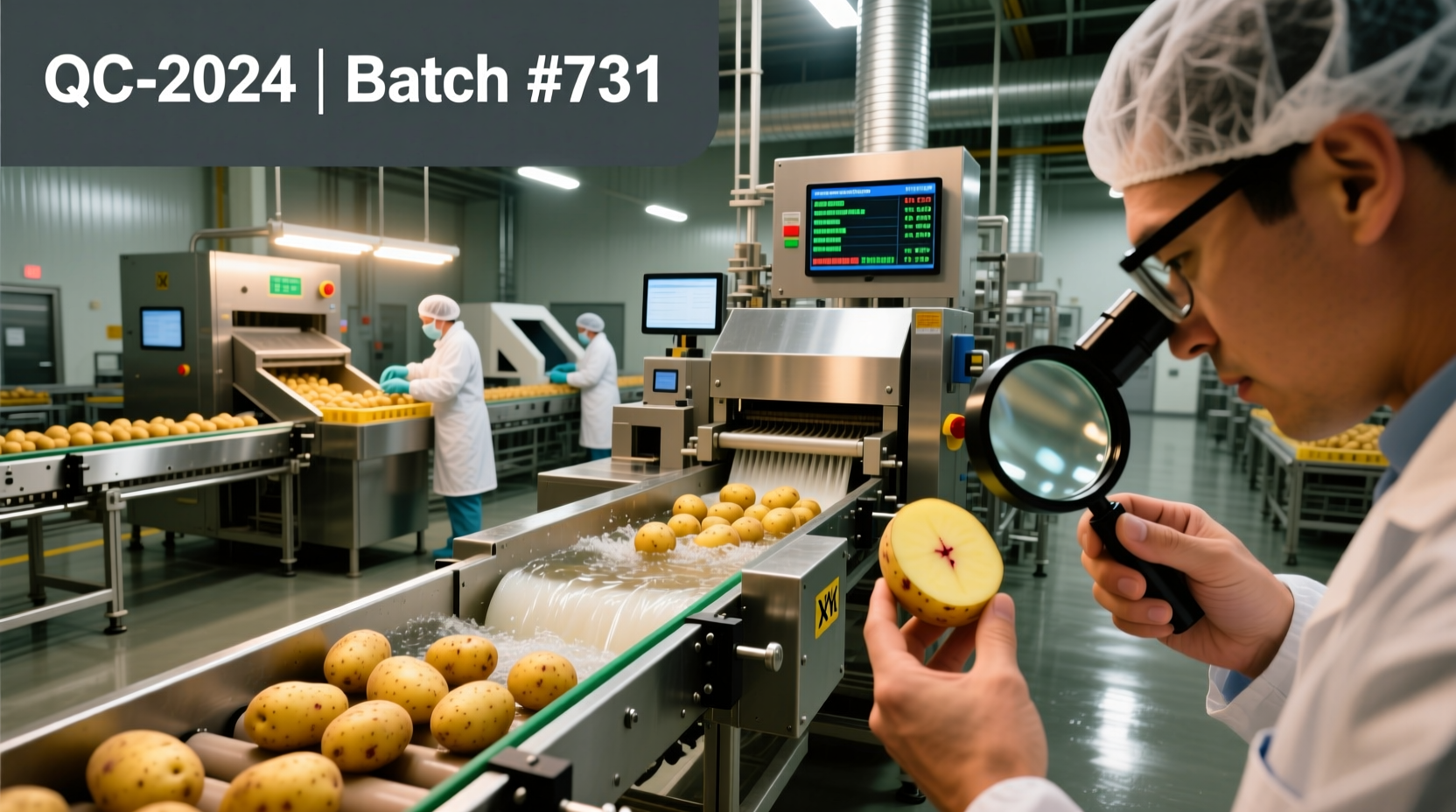
Industry Context and Market Position
The North American potato processing industry operates within specific parameters that influence product development and quality standards. According to USDA Agricultural Marketing Service data, approximately 57% of U.S. potato production goes to processing, with frozen products representing the largest segment.
Keystone operates within defined market boundaries that affect their product development:
- Geographic limitations: Primarily serves North American markets with limited international distribution
- Seasonal constraints: Potato harvesting occurs primarily in fall, requiring sophisticated storage solutions to maintain year-round supply
- Quality thresholds: Strict specifications for sugar content, moisture levels, and defect percentages
- Processing limitations: Certain potato varieties perform better for specific products (Russets for french fries, round whites for chips)
These contextual factors explain why not all potato processors offer identical product ranges. Keystone's focus on specific potato varieties and processing techniques creates natural boundaries around their capabilities and product suitability for different applications.
Quality Assurance and Certification Standards
For professional buyers, understanding quality assurance protocols proves critical when selecting potato suppliers. Keystone maintains multiple certifications that verify their adherence to industry standards:
- Global Food Safety Initiative (GFSI) certification through SQF Level 3
- USDA Process Verified Program for potato sourcing
- Non-GMO Project verification for specific product lines
- Organic certification through USDA National Organic Program
These certifications represent third-party verification of their processes, not merely marketing claims. The SQF Level 3 certification, in particular, requires rigorous documentation of hazard analysis and critical control points throughout their processing operations.
Practical Considerations for Potential Buyers
When evaluating Keystone Potato Products for business needs, several practical factors warrant consideration:
Product Selection Guidance
Matching the right potato product to your application significantly impacts final results. Their french fry offerings vary by:
- Cut style: Shoestring (1/4" width) for traditional fast food applications, crinkle-cut for premium restaurants, steak-cut for casual dining
- Blanching level: Lightly blanched for crispier results, fully blanched for consistent color
- Packaging: Bulk frozen for high-volume operations, pre-portioned for consistent serving sizes
Supply Chain Considerations
Understanding lead times, minimum order quantities, and delivery schedules proves essential for operational planning. Unlike spot-market suppliers, Keystone typically operates on contract-based relationships with established customers, requiring advance planning for new partnerships.
Technical Support Availability
Reputable potato processors provide technical support for cooking equipment calibration and menu development. Keystone offers formulation assistance for food manufacturers developing new products using their potato ingredients.
Industry Outlook and Future Developments
The potato processing industry continues evolving in response to consumer preferences and technological advancements. Current trends affecting Keystone and similar processors include:
- Increased demand for clean label products with minimal processing
- Growing interest in specialty potato varieties beyond standard Russets
- Advancements in freezing technology that preserve texture and nutritional content
- Sustainability initiatives throughout the supply chain, from farming practices to processing efficiency
For foodservice operators and manufacturers, staying informed about these developments helps anticipate future product offerings and quality improvements in commercially available potato products.




 浙公网安备
33010002000092号
浙公网安备
33010002000092号 浙B2-20120091-4