
The Kettle Cooking Difference: More Than Just a Name
When you bite into a Kettle Brand potato chip, you're experiencing a centuries-old cooking technique that fundamentally changes the texture and flavor profile. Unlike mass-produced chips that use continuous frying systems, Kettle Brand chips are cooked in small batches using the traditional kettle method. This process involves:
- Soaking raw potato slices in cold water to remove excess starch
- Frying in small batches in sunflower or safflower oil
- Maintaining precise oil temperature throughout cooking
- Allowing oil temperature to drop when adding new potato slices
- Longer cooking time that creates deeper browning
This method creates chips with a distinctive wavy texture, robust crunch, and more pronounced potato flavor. Food scientists at Cornell University have documented how the kettle-cooking process affects the Maillard reaction, creating more complex flavor compounds than continuous frying methods.
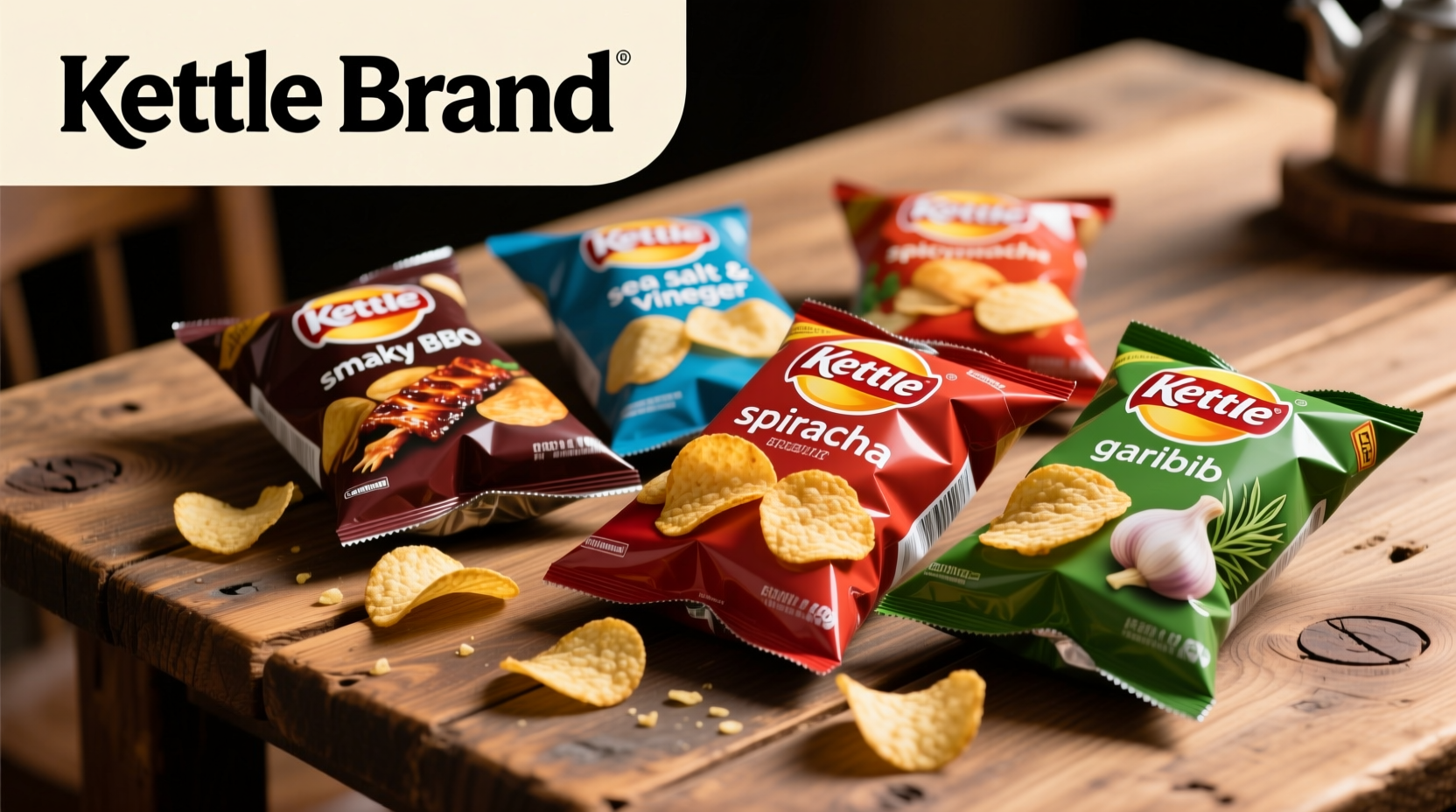
How Kettle Cooking Changes Texture and Flavor
The science behind kettle-cooked chips explains their premium quality. When potatoes hit the hot oil in a traditional kettle setup, the temperature drops temporarily before recovering. This temperature fluctuation creates a unique texture profile:
| Cooking Method | Texture Profile | Flavor Development | Oil Absorption |
|---|---|---|---|
| Kettle-cooked (batch) | Thicker, irregular, hearty crunch | Deeper, more complex potato flavor | 15-20% less oil absorption |
| Continuous frying | Thinner, uniform, lighter crisp | Milder, more neutral flavor | Higher oil absorption |
According to research published in the Journal of Food Science, the batch cooking method allows for more controlled moisture removal, resulting in chips that maintain their crunch longer after opening. This explains why Kettle Brand chips often feel fresher for extended periods compared to conventionally fried alternatives.
Ingredient Standards That Make a Difference
Kettle Brand's commitment to quality ingredients extends beyond the cooking method. Their ingredient philosophy focuses on simplicity and transparency:
- Real potatoes - They use specific potato varieties known for flavor and texture
- Minimal seasoning - Most flavors contain 5 or fewer ingredients
- No artificial preservatives - Unlike many mass-market brands
- Certified non-GMO - Across their entire product line
- Gluten-free certification - For all varieties
The USDA's Agricultural Marketing Service has documented how specific potato varieties affect chip quality. Kettle Brand selects varieties like Russet Burbank and Shepody that have the right starch-to-moisture ratio for optimal kettle cooking results. This attention to raw material quality contributes significantly to their distinctive taste profile.
When Kettle Brand Shines: Contextual Considerations
While Kettle Brand chips offer premium quality, they serve specific culinary contexts best. Understanding these boundaries helps consumers make informed choices:
- Dipping applications - Their thicker cut holds up better with dips like guacamole or hummus
- Flavor pairing - The robust texture stands up to bold flavors like sea salt & vinegar
- Special occasions - Their premium quality makes them ideal for entertaining
- Dietary considerations - The non-GMO and gluten-free options serve specific dietary needs
However, they may not be the best choice when:
- You need extremely light, delicate chips for certain recipes
- Budget constraints make premium pricing prohibitive
- You prefer extremely thin, uniform chips for specific applications
Evolution of Potato Chip Production Methods
Understanding Kettle Brand's approach requires context about how potato chip manufacturing has evolved:
| Time Period | Production Method | Key Characteristics |
|---|---|---|
| 1853-1950s | Traditional kettle cooking | Small batches, hand-cut potatoes, variable thickness |
| 1950s-1990s | Continuous frying systems | Mass production, uniform thickness, lower cost |
| 1980s-present | Artisanal revival | Return to small-batch methods with modern quality control |
| 2000s-present | Ingredient transparency focus | Non-GMO, organic, clean label movement |
Kettle Brand emerged during the artisanal revival period, bringing traditional methods to modern consumers who value both quality and transparency. Their approach bridges historical techniques with contemporary ingredient standards.
Practical Buying Guide for Discerning Consumers
When selecting Kettle Brand potato chips, consider these practical factors:
- Flavor intensity - Their sea salt & vinegar has a notably stronger tang than many competitors
- Texture expectations - The thicker cut means a more substantial crunch
- Ingredient verification - Look for the Non-GMO Project verification seal
- Storage considerations - Once opened, transfer to an airtight container to maintain freshness
For optimal flavor experience, serve Kettle Brand chips at room temperature. The thicker cut means they benefit from slightly longer acclimation than thinner chips. Foodservice professionals often note that the robust texture makes them particularly suitable for restaurant applications where chips need to maintain integrity with wet ingredients.




 浙公网安备
33010002000092号
浙公网安备
33010002000092号 浙B2-20120091-4