
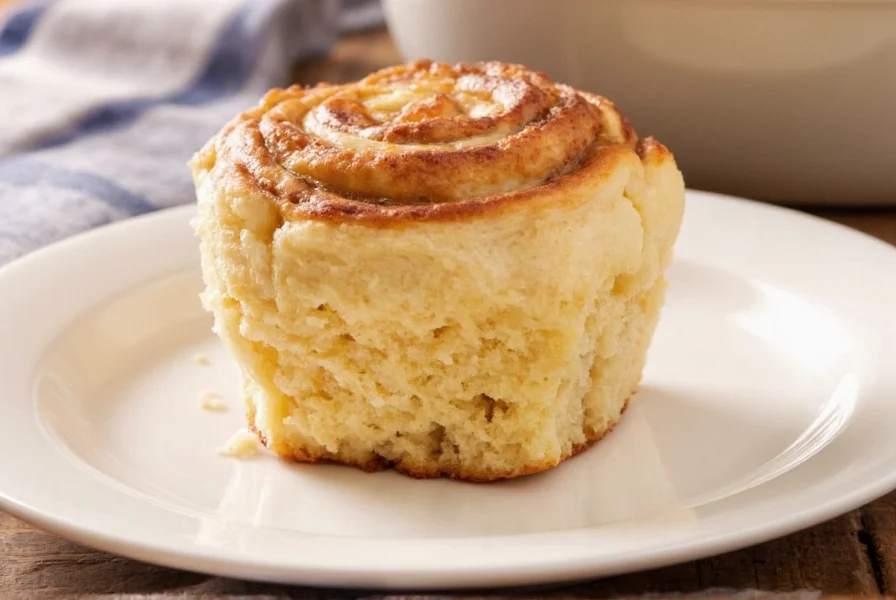
Craving cinnamon rolls while following a ketogenic diet doesn't mean you have to miss out. With the right ingredients and techniques, you can create soft, fluffy keto cinnamon rolls that deliver that classic sweet, spicy flavor without compromising your low-carb goals. The secret lies in understanding keto baking science and using the proper flour blends and sugar alternatives that mimic traditional texture and taste.
Why Traditional Cinnamon Rolls Break Ketosis
Standard cinnamon rolls contain approximately 40-60g of net carbs per serving, primarily from wheat flour and sugar. This carb load immediately kicks most people out of ketosis. The gluten structure in wheat flour and the high glycemic impact of sugar make traditional recipes incompatible with keto requirements. Understanding these limitations helps explain why simply substituting one ingredient in a conventional recipe rarely produces satisfactory results.
Essential Ingredients for Perfect Keto Cinnamon Rolls
Successful keto cinnamon rolls require specific components that work together to create the right texture and flavor profile:
| Ingredient Category | Best Keto Options | Why It Works |
|---|---|---|
| Flour Base | Blended almond flour and coconut flour | Provides structure without gluten; coconut flour absorbs moisture while almond flour adds richness |
| Sugar Substitute | Erythritol blended with monk fruit | Mimics sugar's sweetness without blood sugar impact; doesn't crystallize like some alternatives |
| Binding Agent | Psyllium husk powder or xanthan gum | Creates elasticity that replaces gluten's function in traditional dough |
| Rising Agent | Baking powder with acid (cream of tartar) | Provides lift without yeast (which requires carbs to activate) |
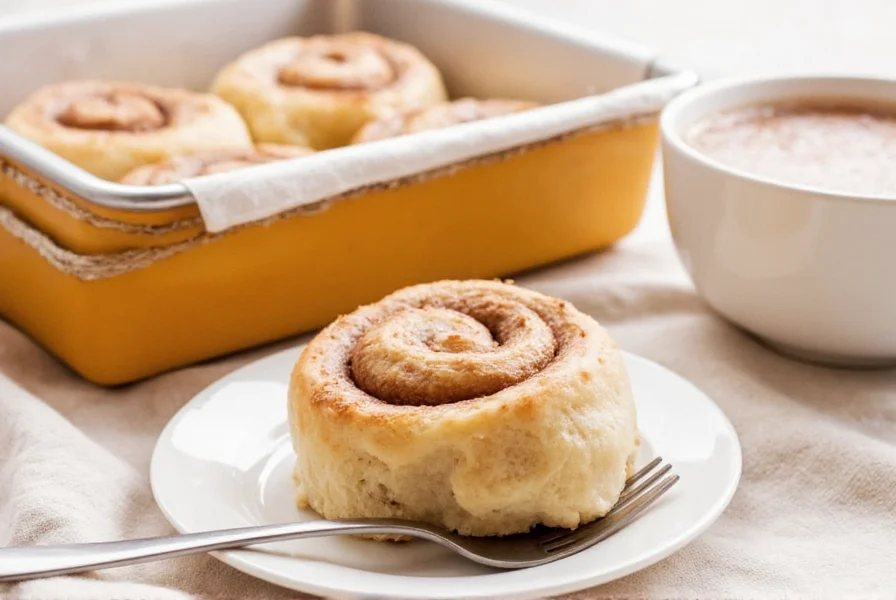
Step-by-Step Keto Cinnamon Rolls Recipe
This tested recipe produces bakery-quality keto cinnamon rolls with just 4g net carbs per serving. The key is proper hydration control and gentle handling of the delicate dough.
Ingredients
- 1 ½ cups superfine almond flour
- ¼ cup coconut flour
- 2 tsp psyllium husk powder
- 1 ½ tsp baking powder
- ½ tsp cream of tartar
- ¼ tsp salt
- 3 large eggs, room temperature
- ¼ cup melted butter or coconut oil
- 2 oz cream cheese, softened
- ⅓ cup powdered erythritol-monk fruit blend
Filling Components
- 3 tbsp softened butter
- ¼ cup erythritol-monk fruit blend
- 1 ½ tbsp cinnamon
- ¼ tsp vanilla extract
Frosting Option
- 4 oz cream cheese, softened
- 2 tbsp butter, softened
- ⅓ cup powdered erythritol-monk fruit blend
- ½ tsp vanilla extract
- 1-2 tbsp heavy cream
Preparation Method
- Mix dry ingredients: Whisk together almond flour, coconut flour, psyllium husk, baking powder, cream of tartar, and salt in a medium bowl.
- Combine wet ingredients: In separate bowl, beat eggs, melted butter, cream cheese, and powdered sweetener until smooth.
- Form dough: Gradually incorporate dry ingredients into wet mixture. The dough will be thick but pliable—similar to traditional pastry dough.
- Roll out: Place dough between parchment paper and roll to ¼-inch thickness. The psyllium husk will continue hydrating, so work quickly.
- Apply filling: Spread softened butter over dough, then sprinkle cinnamon-sweetener mixture evenly.
- Roll and slice: Tightly roll dough from long edge, then slice into 1-inch pieces using dental floss for clean cuts.
- Bake: Place rolls in greased pan and bake at 350°F (175°C) for 18-22 minutes until golden.
Nutritional Profile Per Serving
Each roll (based on 9 servings) contains approximately:
- Total Carbs: 6g
- Fiber: 2g
- Net Carbs: 4g
- Fat: 18g
- Protein: 6g
- Calories: 210
Troubleshooting Common Keto Baking Issues
Keto baking presents unique challenges. Here's how to solve frequent problems when making low-carb cinnamon rolls:
Dense or Gummy Texture
This typically happens when the dough contains too much moisture. Coconut flour's absorption rate varies by brand—measure precisely and adjust liquid ingredients by teaspoon if needed. Letting the dough rest for 5 minutes after mixing allows the psyllium to fully hydrate before rolling.
Crumbly Dough
If your dough won't hold together, add 1-2 teaspoons of additional egg or heavy cream. The dough should feel slightly tacky but hold its shape when pressed. Overmixing can also cause crumbliness—combine ingredients just until incorporated.
Flat Rolls Without Rise
Fresh baking powder is essential. Test yours by mixing ½ teaspoon with hot water—if it doesn't bubble vigorously, replace it. Don't overfill the pan; rolls need space to expand. The cream cheese in the dough also helps create air pockets for better rise.
Customizing Your Keto Cinnamon Rolls
Once you've mastered the basic recipe, try these variations:
- Dairy-free version: Substitute coconut oil for butter and use dairy-free cream cheese alternatives
- Nut-free option: Replace almond flour with sunflower seed flour (note: may cause slight green discoloration)
- Protein boost: Add 1 scoop unflavored collagen peptides to dry ingredients
- Flavor variations: Incorporate orange zest, cardamom, or pecans for different flavor profiles
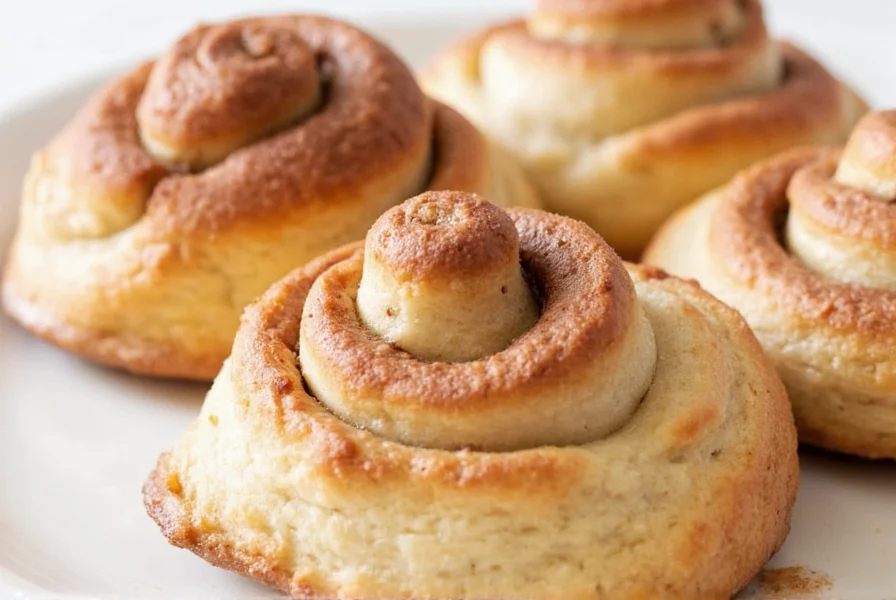
Storage and Reheating Guidelines
Proper storage maintains texture and freshness:
- Room temperature: Store in airtight container for up to 2 days (frosting may soften)
- Refrigerated: Keep for 5-7 days; reheat before serving
- Freezing: Freeze unfrosted rolls for up to 3 months; thaw and reheat before adding frosting
For best texture when reheating, use a toaster oven at 300°F (150°C) for 5-7 minutes rather than microwave, which can make them gummy. The dry heat restores the crisp edges while keeping the center soft.
Frequently Asked Questions
Can I use yeast in keto cinnamon rolls?
Traditional yeast requires sugar to activate and produce carbon dioxide for rising. In keto baking, yeast won't work effectively because there aren't enough fermentable carbs. Instead, use chemical leaveners like baking powder combined with an acid (cream of tartar) for reliable rise without compromising your carb count.
Why do my keto cinnamon rolls fall apart when I slice them?
This usually happens when the dough lacks sufficient binding agents. Ensure you're using psyllium husk powder (not whole psyllium) at the correct ratio—typically 1-2 teaspoons per cup of low-carb flour. Chilling the rolled dough for 15-20 minutes before slicing creates firmer texture for cleaner cuts. Use dental floss rather than a knife for slicing to prevent compression.
How can I make keto cinnamon rolls less dry?
Dryness often results from overbaking or incorrect flour ratios. Set a timer and check rolls 2-3 minutes before the minimum baking time. The rolls should spring back lightly when touched. Adding an extra egg yolk to the dough increases richness and moisture retention. Brushing finished rolls with melted butter immediately after baking also helps maintain moisture.
Are store-bought keto cinnamon rolls worth buying?
Most commercially available keto cinnamon rolls contain sugar alcohols that may cause digestive issues and often use lower-quality ingredients to reduce costs. Homemade versions typically have better texture, fewer processed ingredients, and more predictable carb counts. If purchasing store-bought, carefully check the nutrition label for hidden carbs and sugar alcohols that might affect your ketosis.
Can I make keto cinnamon rolls without eggs?
Yes, but the texture will differ. Replace each egg with ¼ cup unsweetened applesauce plus 1 teaspoon baking powder, or use a commercial egg replacer designed for baking. Flax eggs (1 tbsp ground flaxseed + 3 tbsp water per egg) work but may impart a nutty flavor. Expect slightly denser rolls without eggs, as they provide essential structure and moisture in keto baking.




 浙公网安备
33010002000092号
浙公网安备
33010002000092号 浙B2-20120091-4