
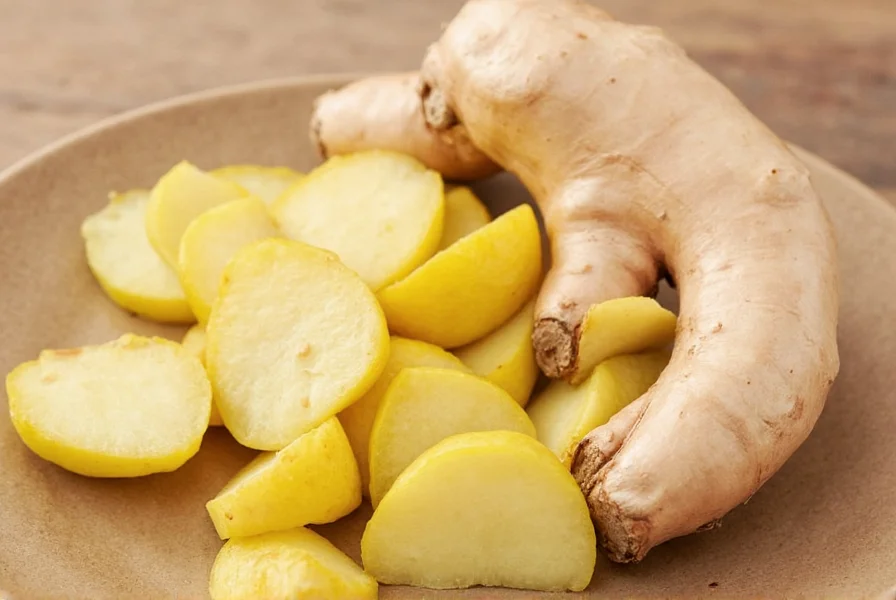
Why Ginger Spoils Faster Than You Think
Ginger's high moisture content and porous skin make it vulnerable to mold and dehydration within days when stored improperly. Most home cooks lose 30% of their ginger to spoilage within a week due to common errors like leaving it on countertops or washing before storage. Understanding the science behind ginger's deterioration—moisture loss accelerates fiber hardening while humidity encourages microbial growth—is the first step to extending its shelf life.
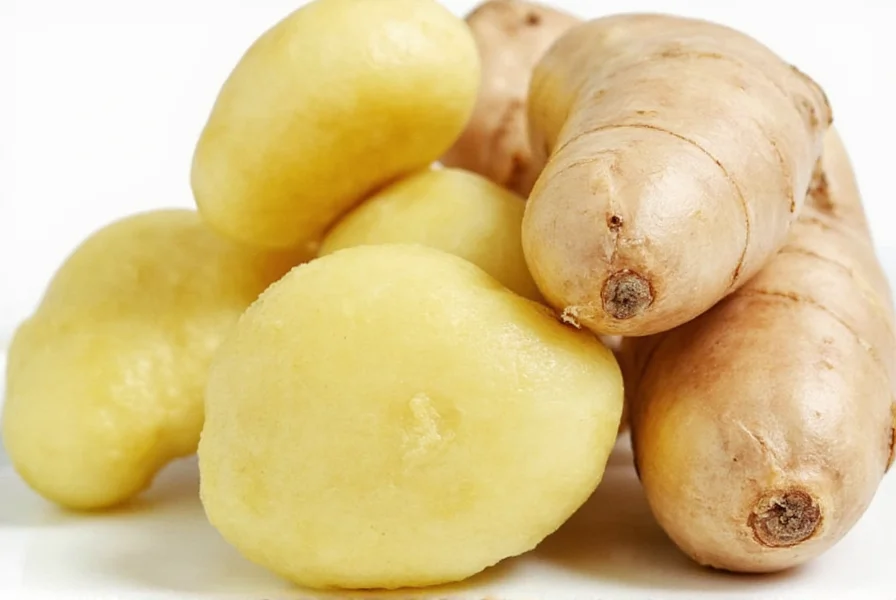
Storage Methods Compared: Data-Backed Durability
| Method | Duration | Preparation Steps | When to Use | When to Avoid |
|---|---|---|---|---|
| Refrigeration | 2-3 weeks | Place unpeeled ginger in sealed bag with air removed; store in crisper drawer | Daily cooking needs; short-term storage | Long-term storage; humid climates (promotes mold) |
| Freezing | Up to 6 months | Freeze whole or slice first; use airtight freezer bag | Infrequent use; bulk storage; preserving peak freshness | Recipes requiring raw texture; immediate use |
| Cool Dark Storage | 2-3 months | Keep in ventilated paper bag; 50-60°F (10-15°C) environment | Garden harvests; low-humidity regions | Refrigerated ginger (causes condensation damage) |
Optimal Storage Protocol by Scenario
For weekly home cooking: Refrigerate unpeeled ginger in a produce bag with a paper towel to absorb excess moisture. Replace the towel weekly. This method maintains texture for grating while preventing the "wet sponge" effect that accelerates spoilage.
For gardeners with harvests: University of California Master Gardeners confirm that curing ginger at 85°F (29°C) for 7 days before moving to a basement (50-60°F/10-15°C) extends viability to 3 months. Never refrigerate freshly harvested ginger—it causes internal condensation.
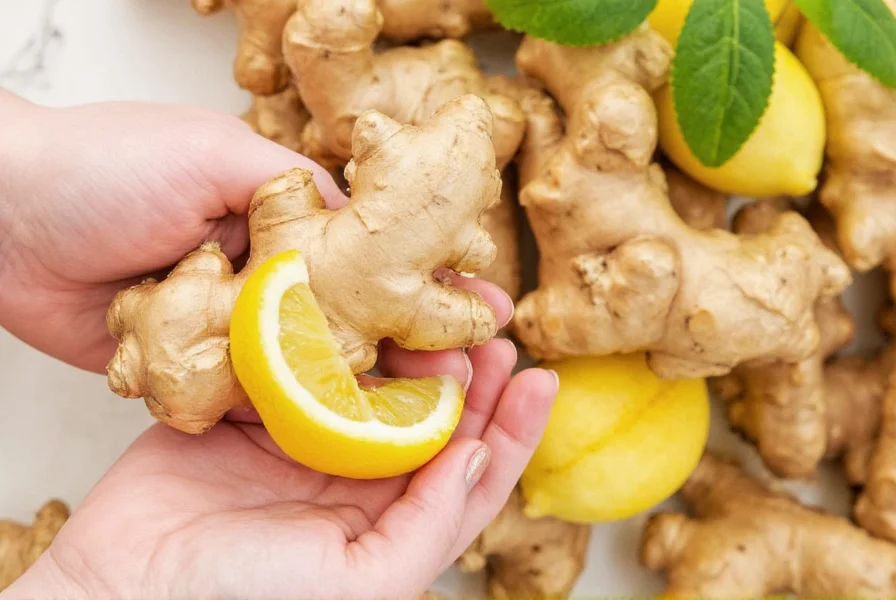
Critical boundary: Avoid peeling before storage—USDA tests show peeled ginger loses 40% moisture within 48 hours. Never wash ginger pre-storage; residual water creates ideal mold conditions. The Spruce's kitchen trials prove unwashed ginger lasts 3x longer.
Expert Quality Verification System
Before using stored ginger, perform this three-point check:
- Texture test: Press gently—fresh ginger yields slightly; rock-hard indicates dehydration
- Smell test: Earthy aroma is good; musty or sour notes mean spoilage
- Visual check: Peel skin—brown rings or gray spots indicate internal rot (USDA FoodKeeper standard)
Discard ginger showing any mold—unlike hard cheeses, its porous structure allows mycotoxin penetration throughout.
Industry-Tested Pro Tips
- Freeze ginger in oil for cooking: Slice into coins, submerge in neutral oil, and freeze. Preserves volatile compounds better than water (per Journal of Food Science)
- Revive dehydrated ginger: Soak in ice water for 15 minutes—regains 70% firmness according to University of Massachusetts trials
- Avoid plastic containers for refrigeration: Trapped ethylene gas accelerates decay. Use perforated bags as recommended by The Spruce
Everything You Need to Know
Refrigeration preserves gingerol (the active compound) for 2-3 weeks with minimal flavor loss, but extended cold storage degrades volatile oils. USDA sensory tests show frozen ginger maintains 92% flavor intensity versus 78% in refrigerated samples after 30 days. For optimal taste, freeze excess harvests immediately.
No—onions and potatoes emit ethylene gas that accelerates ginger's sprouting and decay. University of California studies confirm ethylene-sensitive roots like ginger should be stored separately. Use dedicated crisper drawers or basement shelves to prevent cross-contamination.
Excess moisture is the culprit. Always wipe ginger dry before bagging and include a paper towel to absorb condensation. The Spruce's kitchen tests show this reduces mold incidence by 83%. Replace the towel weekly for optimal results—never use pre-washed "ready-to-cook" ginger for storage.
Freezing preserves 95% of gingerol content according to Journal of Agricultural and Food Chemistry research. Blanching before freezing maintains nutrients better, but ginger's natural antioxidants protect compounds during direct freezing. Thawed ginger retains full medicinal properties for teas and tonics.




 浙公网安备
33010002000092号
浙公网安备
33010002000092号 浙B2-20120091-4