
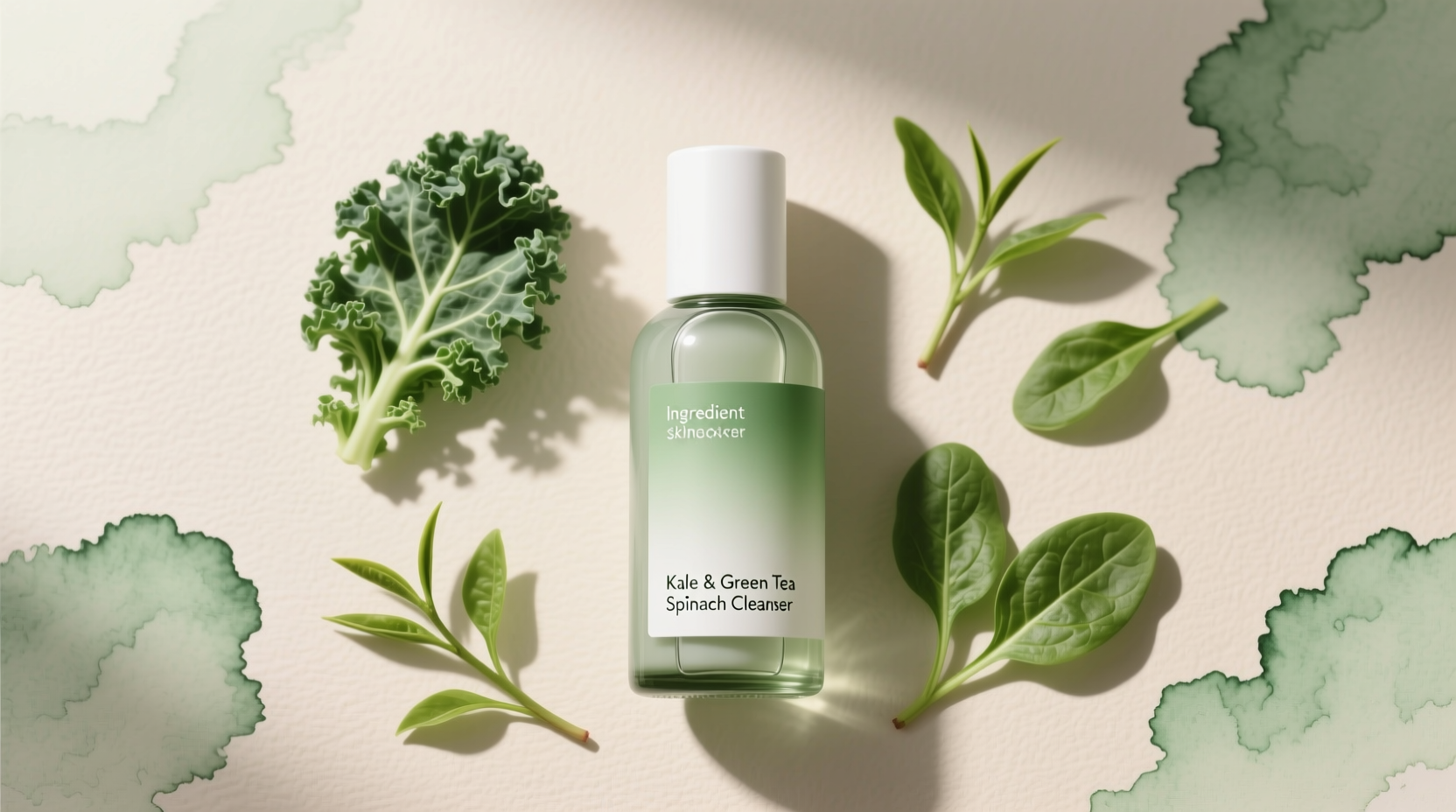
If you're searching for information about kale and green tea spinach cleansers, here's what you need to know: These beverages combine nutrient-dense leafy greens and antioxidant-rich green tea to create a drink marketed for detoxification and health support. Scientific evidence shows these ingredients provide valuable nutrients and antioxidants, but claims about 'detoxing' or 'cleansing' your body beyond what your liver and kidneys naturally do lack strong scientific backing. The most significant benefits come from the vitamins, minerals, and phytochemicals in these whole foods, not from any special 'cleansing' properties.
When you're considering a kale and green tea spinach cleanser, you're likely looking for a natural way to boost your health, support your body's natural processes, or perhaps reset after less healthy eating habits. Let's separate fact from marketing hype with evidence-based information you can trust.
Understanding What Kale and Green Tea Spinach Cleansers Actually Are
Despite the "cleanser" terminology used in marketing, these beverages are simply nutrient-dense green smoothies or juices combining three powerhouse ingredients. The term "cleanser" suggests a detoxifying function that isn't scientifically accurate—your liver and kidneys naturally handle detoxification without special beverages. What these drinks do provide is a concentrated source of vitamins, minerals, and phytochemicals from whole food sources.
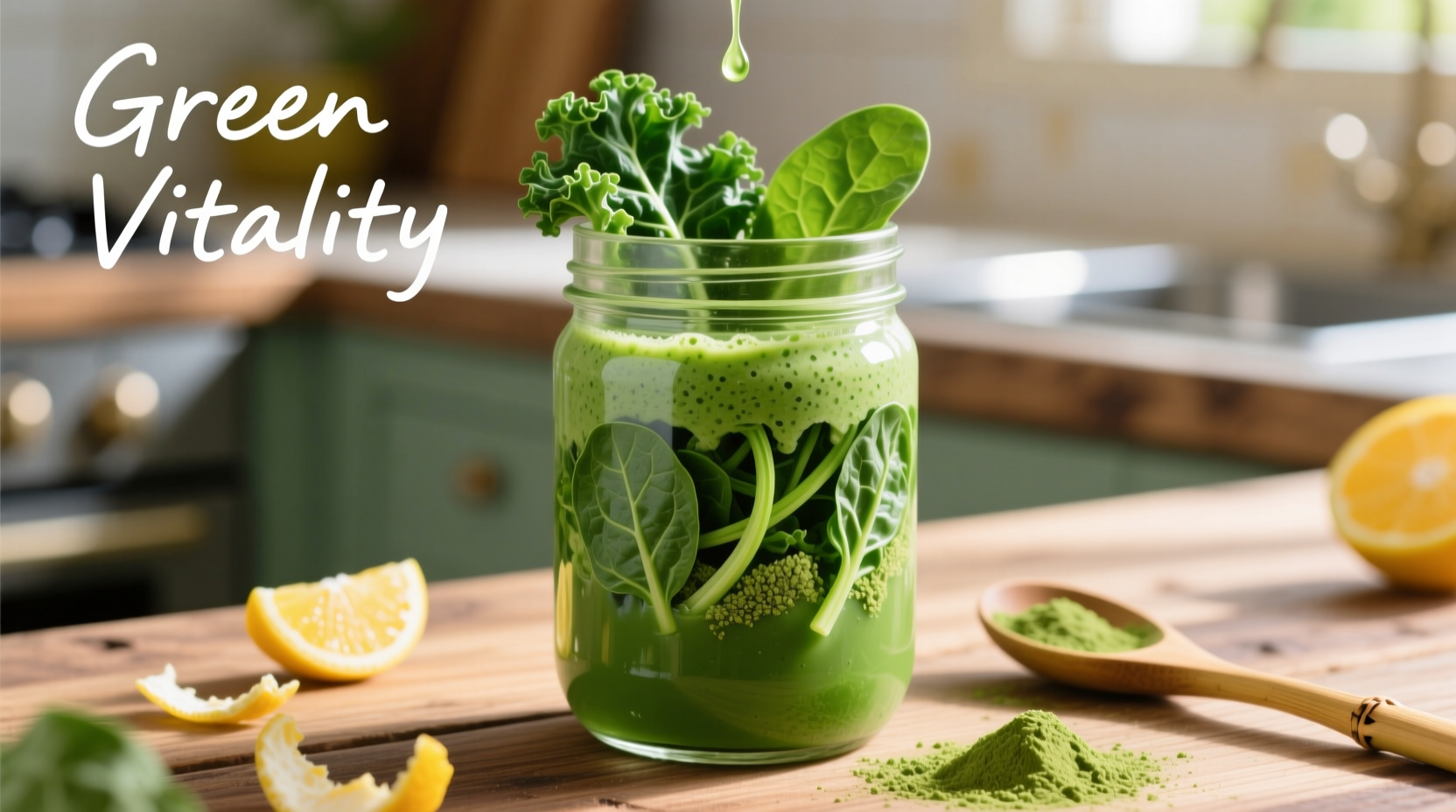
Most recipes blend raw or lightly cooked kale and spinach with brewed green tea (sometimes matcha), often adding complementary ingredients like lemon, ginger, or apple for flavor. The preparation method matters—blending preserves fiber while juicing removes it, affecting how your body processes the nutrients.
| Ingredient | Key Nutrients | Research-Supported Benefits |
|---|---|---|
| Kale | Vitamin K, Vitamin C, Vitamin A, Calcium, Fiber | Supports bone health, provides antioxidants, aids digestion |
| Spinach | Vitamin K, Folate, Iron, Magnesium, Lutein | Supports eye health, provides energy-boosting nutrients |
| Green Tea | EGCG, Catechins, L-theanine, Antioxidants | May support metabolic health, provides calming compounds |
What Science Says About the Benefits
While the "cleansing" claims often exceed scientific evidence, research does support several genuine benefits from these ingredients when consumed as part of a balanced diet:
- Nutrient density: A single serving can provide significant percentages of your daily needs for vitamins K, A, and C according to USDA nutritional data
- Antioxidant support: The polyphenols in green tea and carotenoids in leafy greens combat oxidative stress, as documented in multiple studies published in the National Center for Biotechnology Information
- Fiber content: When blended (not juiced), these drinks contribute to your daily fiber intake, supporting gut health
- Hydration boost: The liquid base contributes to daily fluid needs, especially important for those who struggle to drink enough water
However, it's crucial to understand that no beverage can "detox" your body in the way many cleanser products suggest. As the Mayo Clinic explains, your body has its own sophisticated detoxification systems—primarily your liver, kidneys, and digestive tract—that work continuously without special cleanses.
When These Cleansers Make Sense (and When They Don't)
Understanding the appropriate context for incorporating these drinks into your routine is essential for realistic expectations:
| Suitable Contexts | Limitations & Concerns |
|---|---|
| As a nutrient boost when struggling to eat enough vegetables | Not a replacement for whole food meals long-term |
| As a refreshing, lower-sugar alternative to sugary beverages | Excessive consumption may lead to nutrient imbalances |
| As part of a balanced diet for additional antioxidant support | People on blood thinners should monitor kale intake due to vitamin K |
| Short-term use (1-3 days) as a dietary reset | Not appropriate for weight loss or "quick fixes" |
Creating an Effective, Science-Based Green Cleanser
If you want to incorporate these ingredients thoughtfully, follow these evidence-based guidelines:
Smart Ingredient Selection
Choose organic when possible, especially for the Environmental Working Group's "Dirty Dozen" list which includes spinach. For green tea, opt for high-quality loose leaf or bagged varieties rather than bottled versions with added sugars.
Optimal Preparation Methods
- Blending vs. Juicing: Blending preserves valuable fiber that supports gut health and prevents blood sugar spikes
- Temperature matters: Brew green tea with water just under boiling (175°F for delicate greens) to preserve antioxidants
- Timing: Consume within 24 hours as nutrient degradation begins immediately after preparation
Realistic Integration Into Your Routine
For most people, incorporating one of these drinks 2-3 times weekly as a supplement to, not replacement for, whole food meals provides benefits without risks. Pair it with a source of healthy fat (like avocado or nuts) to enhance absorption of fat-soluble vitamins.
Addressing Common Misconceptions
The "detox" industry has evolved significantly over the past two decades, often outpacing scientific evidence. Understanding this timeline helps separate marketing from reality:
| Time Period | Detox/Cleanser Trends | Scientific Understanding |
|---|---|---|
| Early 2000s | Rise of extreme juice fasts and multi-day cleanses | Research showed potential risks of nutrient deficiencies from prolonged fasting |
| 2010-2015 | "Green juice" trend popularized by celebrities | Studies confirmed benefits of vegetable consumption but questioned extreme approaches |
| 2016-Present | Shift toward "gentle" cleanses and functional beverages | Current consensus: whole foods > extreme cleanses; focus on sustainable healthy habits |
Today's nutrition science emphasizes that your body doesn't need special cleanses to function properly—it needs consistent, balanced nutrition. As the Harvard T.H. Chan School of Public Health states, the foundation of good health is "a diet rich in vegetables, fruits, whole grains, healthy fats, and protein sources."
Practical Implementation Guide
Here's how to incorporate these ingredients effectively without falling for marketing hype:
- Start small: Begin with 1-2 servings weekly rather than daily cleanses
- Balance your plate: Ensure your cleanser complements, rather than replaces, balanced meals
- Listen to your body: Note how you feel—energy levels, digestion, and overall well-being
- Focus on consistency: Regular vegetable consumption matters more than occasional extreme cleanses
- Consult professionals: Talk with a registered dietitian before making significant dietary changes
Remember that individual responses vary significantly. What works well for one person might cause digestive discomfort for another, particularly those with sensitive systems or specific health conditions.




 浙公网安备
33010002000092号
浙公网安备
33010002000092号 浙B2-20120091-4