
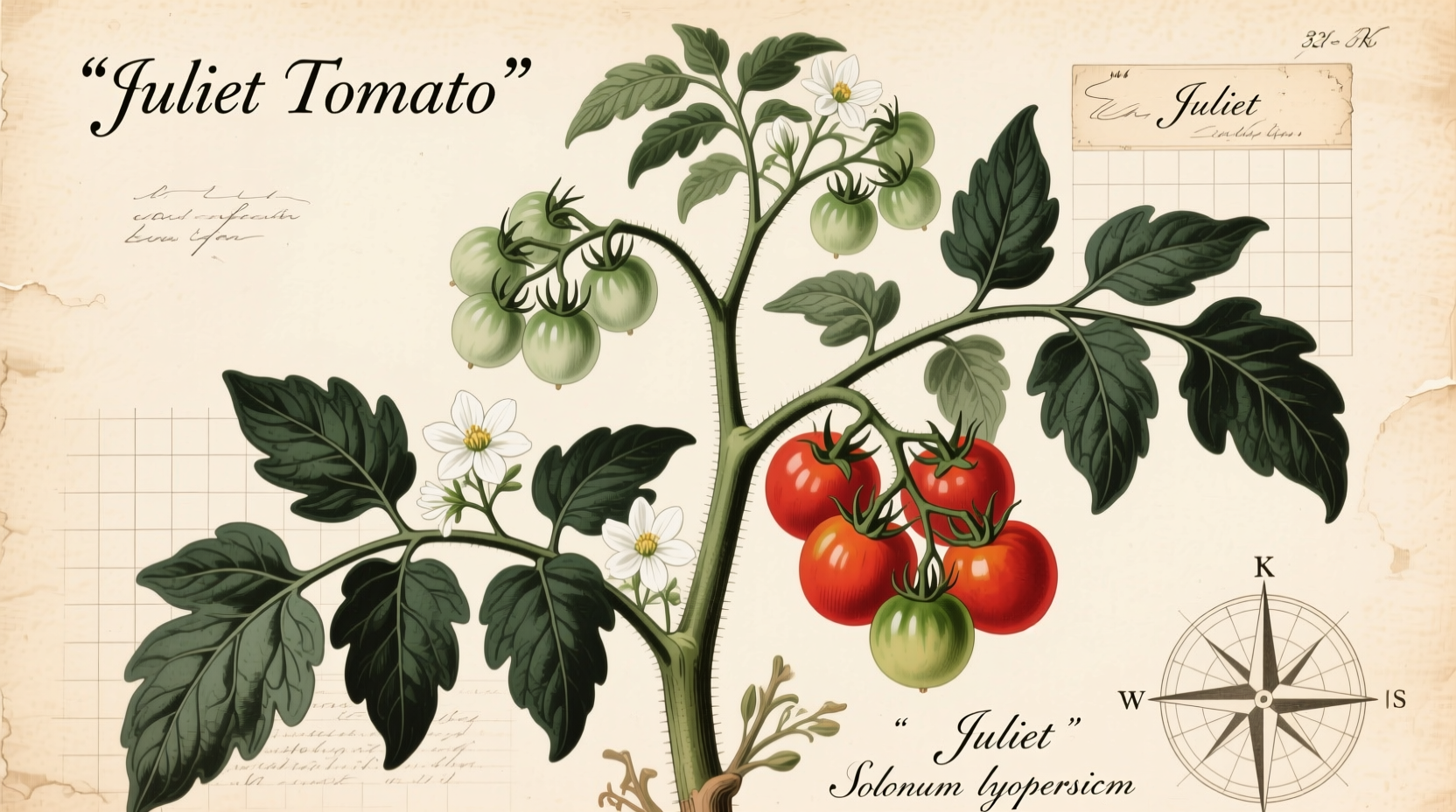
Discover why Juliet tomato plants have become a favorite among home gardeners and professional growers alike. These remarkable grape tomatoes combine the best traits of cherry and plum varieties, offering exceptional flavor, productivity, and resilience that outperforms many competitors in home gardens.
What Makes Juliet Tomato Plants Special
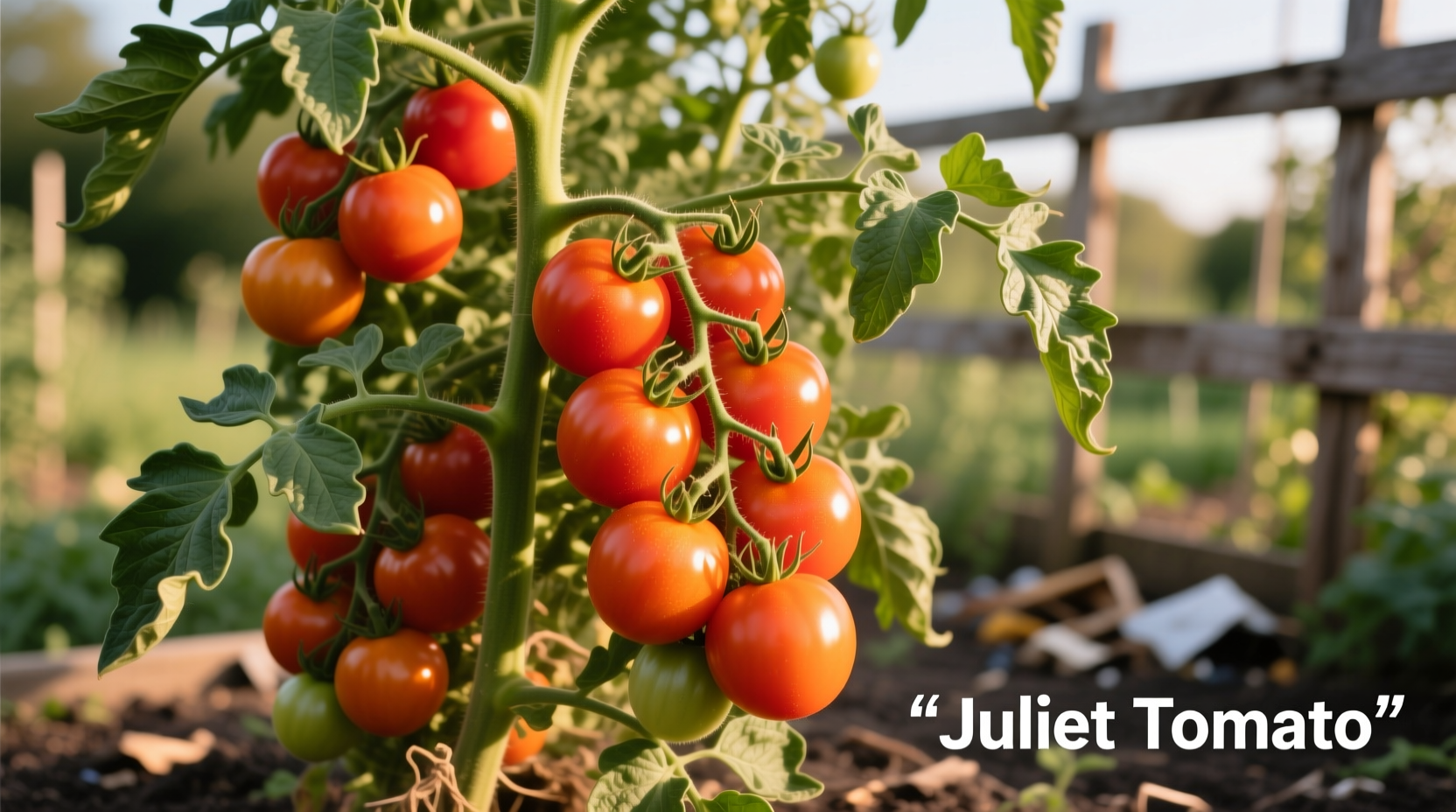
Developed by plant breeder Dr. James Baggett at Oregon State University and introduced commercially in 1999, Juliet tomatoes represent a breakthrough in grape tomato breeding. Unlike many specialty varieties that sacrifice disease resistance for flavor, Juliet delivers both in abundance. The vines produce heavy yields of 1-1.5 inch oval fruits that grow in attractive clusters, ripening to a rich orange-red color with remarkably thick walls that prevent cracking.
According to research from Oregon State University Extension, Juliet tomatoes consistently outperform other grape varieties in field trials due to their balanced disease resistance package and exceptional flavor profile. The fruits contain approximately 5-7% sugar content, significantly higher than standard grape tomatoes, creating that distinctive sweet-tangy taste gardeners love.
Planning Your Juliet Tomato Garden
Successful Juliet tomato cultivation starts with proper planning. These semi-determinate plants reach 4-6 feet in height, requiring staking or caging for optimal production. Unlike fully determinate varieties that produce one large crop then stop, Juliet continues producing throughout the season with proper care.
| Tomato Variety | Maturity (Days) | Disease Resistance | Best Use |
|---|---|---|---|
| Juliet | 60-70 | Fusarium wilt, Verticillium wilt, Tomato Spotted Wilt Virus | Snacking, salads, containers |
| Cherry Surprise | 65-75 | Intermediate | Snacking |
| Roma | 75-80 | Moderate | Sauces, canning |
| Beefsteak | 70-85 | Variable | Slicing, sandwiches |
Planting Juliet Tomatoes for Maximum Success
Start Juliet seeds indoors 6-8 weeks before your last expected frost date. These tomatoes thrive in warm conditions, so wait until soil temperatures reach at least 60°F (15.5°C) before transplanting outdoors. The University of Minnesota Extension recommends spacing plants 18-24 inches apart in rows 36-48 inches apart to ensure proper air circulation.
When planting, bury the stem up to the first set of true leaves. This encourages additional root growth along the buried stem, creating a stronger, more resilient plant. Incorporate 2-3 inches of compost into your planting hole and mix with a balanced organic fertilizer for optimal early growth.
Essential Care Practices for Healthy Juliet Plants
Water deeply and consistently, providing 1-2 inches of water per week. Inconsistent watering is the primary cause of blossom end rot in tomatoes. Mulch around plants with straw or shredded leaves to maintain consistent soil moisture and prevent soil-borne diseases from splashing onto leaves.
Fertilize every 3-4 weeks with a balanced organic fertilizer or one formulated specifically for tomatoes. Juliet plants benefit from calcium supplementation to prevent blossom end rot—consider adding crushed eggshells to planting holes or using a calcium-rich foliar spray during fruit set.
Unlike fully determinate varieties, Juliet requires light pruning to maintain productivity. Remove suckers below the first flower cluster, but allow 2-3 main stems to develop. This balances vegetative growth with fruit production while improving air circulation.
Managing Pests and Diseases
Juliet's built-in disease resistance makes it less susceptible to common tomato problems, but vigilance remains important. According to University of Illinois Extension research, regular crop rotation (avoiding planting tomatoes in the same spot more than once every 3 years) significantly reduces soil-borne disease pressure.
Watch for these common issues with Juliet tomatoes:
- Early blight: Remove affected leaves immediately and apply copper fungicide if needed
- Aphids: Spray with insecticidal soap or introduce beneficial insects like ladybugs
- Blossom end rot: Maintain consistent soil moisture and ensure adequate calcium
- Hornworms: Hand-pick or use Bacillus thuringiensis (Bt) for control
Harvesting and Enjoying Your Juliet Tomatoes
Harvest Juliet tomatoes when they develop their full orange-red color and feel slightly soft when gently squeezed. Unlike some varieties that continue ripening after picking, Juliet tomatoes deliver their best flavor when allowed to ripen fully on the vine.
The thick walls and high sugar content make Juliet tomatoes exceptionally versatile. They hold up well in salads without becoming soggy, roast beautifully for concentrated flavor, and make excellent additions to fresh salsas. Their natural sweetness also makes them perfect for quick preserves or dehydrating into tomato leather.
Troubleshooting Common Juliet Tomato Problems
Even with Juliet's superior disease resistance, gardeners may encounter these issues:
Cracking fruits: Usually caused by inconsistent watering after dry periods. Maintain even soil moisture and use mulch to regulate water availability.
Poor fruit set: High temperatures above 90°F (32°C) can cause pollen to become sterile. Provide afternoon shade during heat waves and ensure proper pollination by attracting bees to your garden.
Yellowing leaves: Could indicate nutrient deficiency (often nitrogen) or early disease. Remove severely affected leaves and apply balanced fertilizer.




 浙公网安备
33010002000092号
浙公网安备
33010002000092号 浙B2-20120091-4