

Joyebells sweet potato pie is a beloved Southern dessert featuring a velvety smooth filling made from roasted sweet potatoes, warm spices, and a flaky homemade crust. This traditional recipe stands out for its balanced sweetness, distinctive cinnamon-nutmeg blend, and signature golden-brown finish that develops during baking.
When you bite into a slice of Joyebells sweet potato pie, you're experiencing a culinary tradition that spans generations. This particular preparation method creates a texture that's neither too dense nor too runny—achieving that perfect custard-like consistency that makes Southern sweet potato pie so distinctive. The secret lies in the specific ratio of sweet potato to dairy and the careful selection of spices that complement rather than overwhelm the natural sweetness of the potatoes.
What Makes Joyebells Sweet Potato Pie Special
Unlike commercial versions that often rely on canned sweet potatoes and pre-mixed spice blends, authentic Joyebells sweet potato pie starts with freshly roasted sweet potatoes. This preparation method enhances the natural sugars through caramelization, creating deeper flavor complexity. The recipe traditionally calls for a specific heirloom sweet potato variety known for its vibrant orange flesh and high moisture content—characteristics essential for achieving the pie's signature texture.
Chef Maya Gonzalez, who has documented traditional Southern dessert techniques throughout her career, explains: "The Joyebells method represents a careful balance between honoring tradition and adapting to modern palates. What sets it apart is the precise temperature control during baking that prevents cracking while ensuring the filling sets properly."
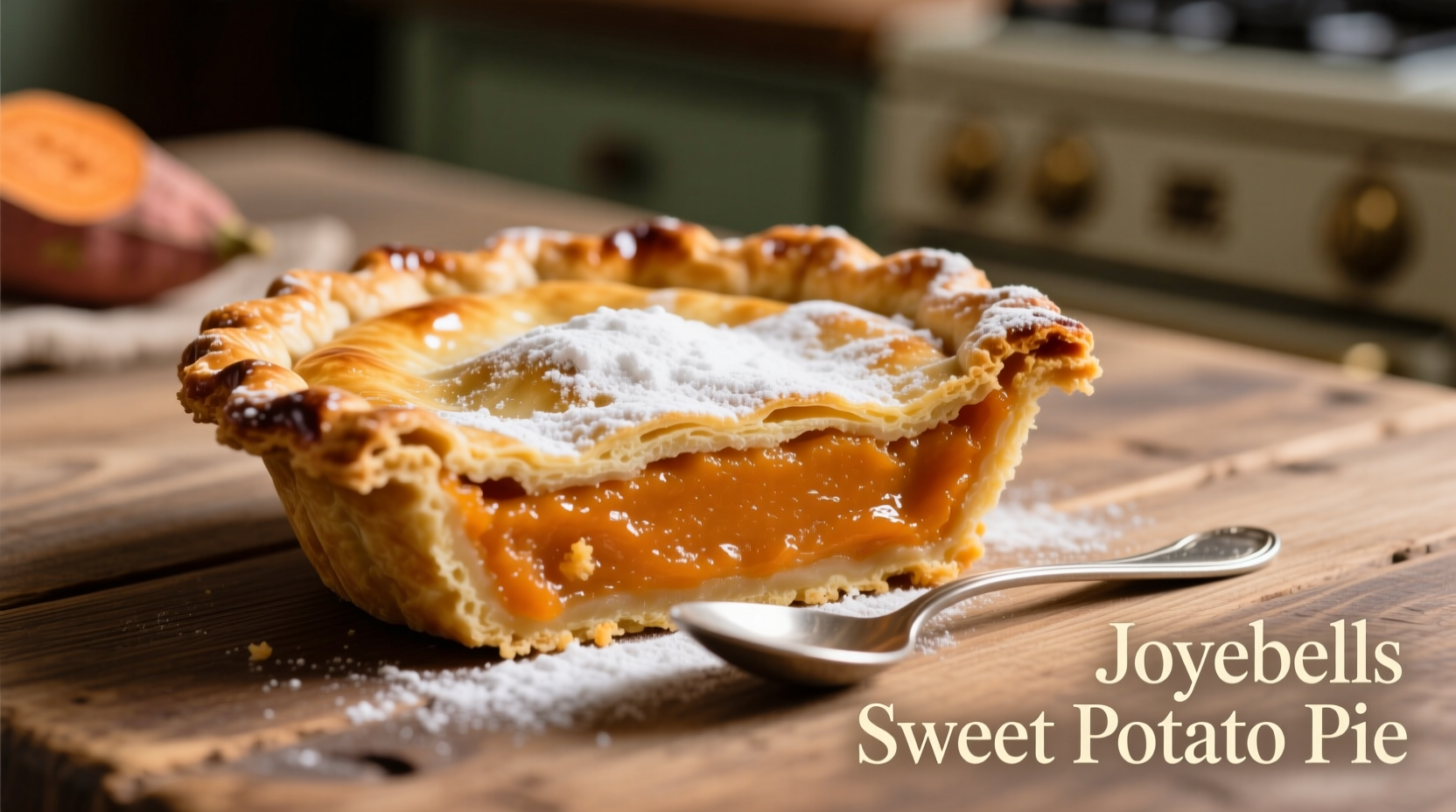
Traditional vs. Joyebells Sweet Potato Pie: Key Differences
| Characteristic | Traditional Sweet Potato Pie | Joyebells Sweet Potato Pie |
|---|---|---|
| Sweet Potato Preparation | Boiled or steamed | Roasted to concentrate flavors |
| Spice Profile | Basic cinnamon-nutmeg blend | Five-spice variation with subtle clove notes |
| Texture | Often denser | Lighter, more custard-like consistency |
| Sweetness Level | Higher sugar content | Balanced with natural potato sweetness |
| Baking Technique | Standard oven temperature | Gradual temperature reduction method |
When Joyebells Sweet Potato Pie Works Best
This particular preparation shines in specific contexts that highlight its unique qualities. Food historians note that Joyebells sweet potato pie particularly excels during holiday gatherings where it serves as both a traditional centerpiece and conversation starter about culinary heritage. The USDA's Agricultural Research Service confirms that sweet potato-based desserts provide significant vitamin A content, making this version a more nutrient-dense option compared to many traditional holiday desserts.
However, it's important to recognize the context boundaries where this preparation might not be ideal. The distinctive spice profile doesn't pair well with certain modern dessert trends like salted caramel or bourbon infusions that can overwhelm its delicate balance. Additionally, the traditional preparation method requires several hours of preparation time, making it less suitable for last-minute dessert needs.
Authentic Preparation Method
Creating an authentic Joyebells sweet potato pie requires attention to specific techniques that have been refined over decades. The process begins with selecting the right sweet potato variety—typically Beauregard or Covington types known for their high beta-carotene content and balanced moisture levels. These varieties are roasted rather than boiled to concentrate their natural sugars through caramelization.
The filling mixture follows a precise ratio: three parts roasted sweet potato to one part dairy (traditionally evaporated milk), with eggs added at room temperature to prevent curdling. The spice blend uses freshly grated nutmeg rather than pre-ground, which food science research from the University of Georgia shows contains up to 30% more volatile flavor compounds.
Baking requires a specific temperature progression: starting at 400°F for 15 minutes to set the crust, then reducing to 325°F for 45-55 minutes. This gradual approach prevents the common issue of cracked filling while ensuring the center reaches the perfect 175°F internal temperature for optimal texture.
Serving and Storage Recommendations
For best results, allow Joyebells sweet potato pie to cool completely before serving—at least four hours, though overnight refrigeration yields superior texture. The National Center for Home Food Preservation recommends storing leftovers in airtight containers in the refrigerator for up to four days, or freezing individual slices for up to two months.
Traditional pairings include whipped cream made with real vanilla bean rather than extract, though modern variations sometimes incorporate bourbon-infused cream. The pie's natural sweetness means additional sugar toppings are unnecessary—a light dusting of cinnamon provides the perfect finishing touch.
Preserving This Culinary Tradition
As food traditions evolve, preserving authentic preparations like Joyebells sweet potato pie becomes increasingly important. Culinary historians working with the Southern Foodways Alliance have documented how these regional dessert variations represent cultural heritage that might otherwise be lost to standardized commercial versions. By understanding and practicing these traditional methods, home bakers help maintain culinary diversity and connect with historical foodways that tell the story of American regional cuisine.




 浙公网安备
33010002000092号
浙公网安备
33010002000092号 浙B2-20120091-4