
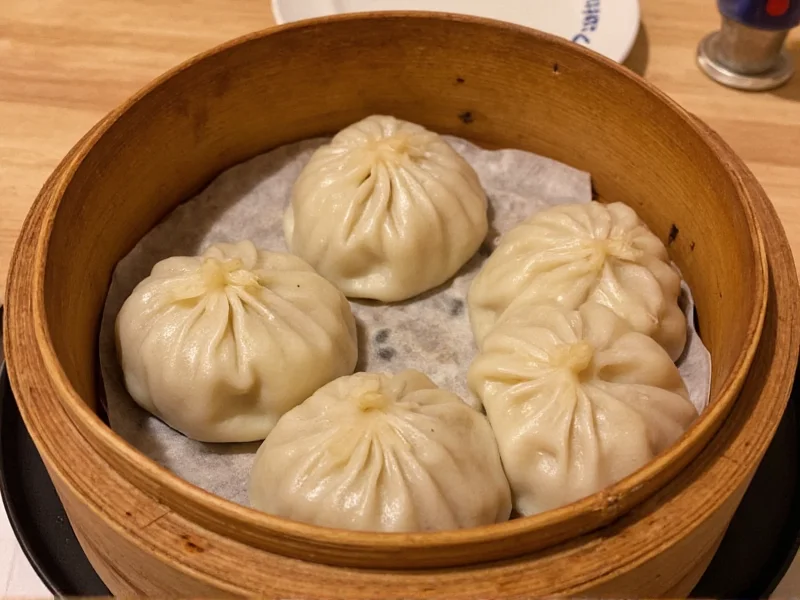
When seeking exceptional soup dumplings in the Pacific Northwest, Joe's Home of Soup Dumplings consistently appears in regional culinary discussions. This specialized eatery has built its reputation on meticulous preparation techniques that honor traditional Shanghainese methods while accommodating local preferences. Unlike many Asian fusion restaurants, Joe's maintains strict adherence to the delicate balance of ingredients required for authentic xiaolongbao.
Understanding Joe's Soup Dumpling Craftsmanship
The restaurant's dedication to soup dumpling excellence begins with their signature broth preparation. Chefs simmer pork bones, crab shells, and specific aromatic ingredients for 12-18 hours to create the gelatinous broth that transforms into liquid when steamed. This time-intensive process distinguishes Joe's Home of Soup Dumplings from establishments using shortcut methods.
Each dumpling wrapper receives careful attention, rolled to precise thickness—thicker at the base to prevent bursting yet paper-thin at the crown for optimal eating experience. The pleating technique, typically featuring 18-22 precise folds, demonstrates the kitchen staff's specialized training. This attention to detail represents why food enthusiasts searching for authentic Shanghainese soup dumplings in the Pacific Northwest consistently mention Joe's establishment.
Menu Highlights and Seasonal Specialties
While traditional pork xiaolongbao remains their most ordered item, Joe's Home of Soup Dumplings offers several distinctive variations that attract both regular customers and culinary tourists:
| Dumpling Variety | Key Ingredients | Seasonal Availability |
|---|---|---|
| Classic Pork XLB | Ground pork, aspic, ginger, Shaoxing wine | Year-round |
| Crab Roe Pork XLB | Pork, fresh crab roe, crab meat, gelatinized broth | Winter-Spring |
| Truffle Pork XLB | Pork, black truffle shavings, premium broth | Fall limited |
| Vegetarian Mushroom XLB | Shiitake, wood ear, bamboo shoot, vegetable broth | Year-round |
Practical Information for Visitors
Those planning to visit Joe's Home of Soup Dumplings should note several important details that enhance the dining experience. The restaurant operates Tuesday through Sunday from 11:00 AM to 9:00 PM, with the kitchen stopping dumpling production at 8:00 PM. Located in a modest strip mall setting, the establishment prioritizes food quality over elaborate decor—a characteristic many patrons appreciate when seeking traditional soup dumpling experience without pretentious atmosphere.
Parking availability varies by time of day, with dedicated spots for the restaurant supplemented by street parking. Reservations aren't accepted for parties under six, reflecting the casual nature of this specialized soup dumpling destination. First-time visitors often benefit from arriving early to avoid weekend lunch rushes, typically between 12:30-1:30 PM.
Eating Soup Dumplings: Proper Technique
Many customers unfamiliar with Shanghainese cuisine struggle with consuming soup dumplings correctly. Joe's staff provides gentle guidance on the traditional method:
- Place dumpling on spoon, create small opening with chopsticks
- Gently sip broth before eating dumpling
- Dip remaining dumpling in black vinegar with ginger shreds
- Consume in one or two bites to experience complete flavor profile
This attention to proper consumption technique explains why culinary guides frequently reference Joe's Home of Soup Dumplings when discussing where to learn authentic soup dumpling eating methods. The restaurant's commitment to cultural authenticity extends beyond preparation to include educating customers about this culinary tradition.
Comparing Joe's to Regional Competitors
In the competitive landscape of Pacific Northwest Chinese cuisine, Joe's Home of Soup Dumplings occupies a specific niche. While larger restaurants might offer broader menus, Joe's specialization allows for greater mastery of soup dumpling techniques. Independent reviews consistently note their superior wrapper texture compared to chain establishments and more traditional broth preparation than fusion-focused competitors.
Food critics examining best soup dumplings in Pacific Northwest cities often highlight Joe's consistency in maintaining broth temperature and wrapper integrity—two critical factors that distinguish exceptional xiaolongbao. The restaurant's avoidance of pre-made wrappers and commitment to same-day preparation contributes significantly to their reputation among discerning diners.
Visitor Tips for Optimal Experience
Based on frequent customer patterns, several recommendations enhance visits to Joe's Home of Soup Dumplings:
- Weekday mornings offer shortest wait times for optimal dumpling freshness
- Request extra vinegar and ginger for traditional flavor enhancement
- Order tea simultaneously with dumplings to have hot beverage ready
- Consider bringing cash as the establishment operates primarily as cash-only
- Ask about daily specials that might not appear on regular menu
These practical considerations address common questions from those researching Joe's Home of Soup Dumplings visitor guide. The restaurant's straightforward approach to their culinary specialty has cultivated a loyal following among both Chinese expatriates and local food enthusiasts seeking authentic regional Chinese cuisine.




 浙公网安备
33010002000092号
浙公网安备
33010002000092号 浙B2-20120091-4