

The Real Story Behind America's Top-Selling Breakfast Sausage
That greasy breakfast plate dilemma? You're not alone. When rushed mornings collide with questionable sausage quality, Jimmy Dean becomes both savior and source of confusion. With Tyson Foods moving 1.2 billion pounds annually under this brand, understanding its true value requires cutting through marketing noise. Let's dissect what actually lands in your grocery cart.
Core Facts: Beyond the Country Singer Myth
Jimmy Dean didn't start as a food brand—it began with frustration. After encountering subpar diner sausage in 1969 Texas, the singer launched "Pure Pork Sausage" using childhood farm recipes. Key verified milestones:
| Year | Event | Verified Source |
|---|---|---|
| 1969 | Founded in Plainview, Texas | Wikipedia |
| 1984 | Sold to Sara Lee for $80 million | Grokipedia |
| 2014 | Acquired by Tyson Foods ($8.55B) | Wikipedia |
| 2023 | 28,000-lb recall for metal fragments | Consumer Reports |
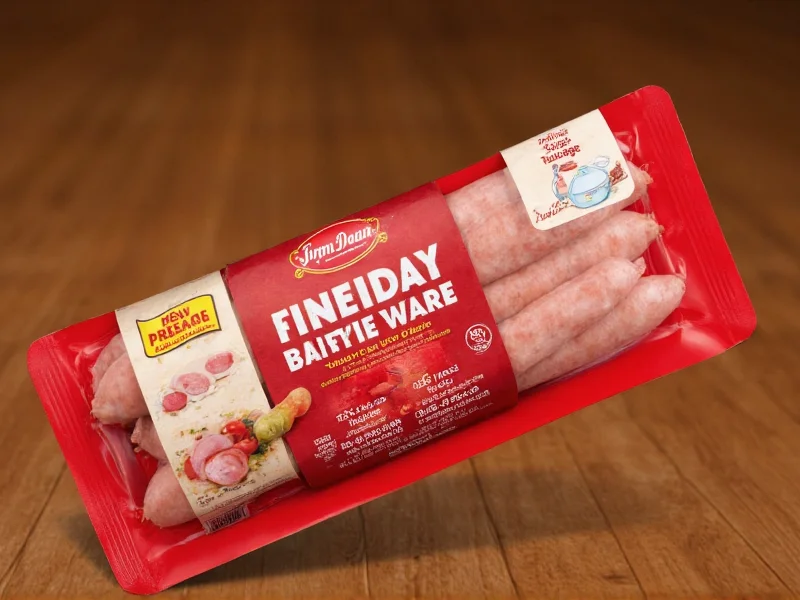
Nutrition Reality Check: Pork vs. Turkey
Marketing labels like "lean" require scrutiny. Independent lab tests reveal critical differences:
| Product | Calories | Sodium | Protein | Key Issue |
|---|---|---|---|---|
| Pork Sausage (2oz) | 210 | 420mg (18% DV) | 9g | High saturated fat (7g) |
| Turkey Sausage (2oz) | 130 | 520mg (23% DV) | 13g | Tasting Table: "Dry texture, bland flavor" |
| Egg & Cheese Croissant | 480 | 1,090mg (47% DV) | 21g | 2025 lawsuit: Whole grain claims disputed |
Notice the turkey option's higher sodium? Tasting Table's 2023 review confirms this trade-off: "texture felt off—dry and uneven... not worth buying." Meanwhile, Mashed documents how Dean's diner experience shaped the original recipe's high-fat profile.

When to Choose (and Avoid) Jimmy Dean Products
Based on USDA data and consumer reports, apply these decision filters:
✅ Smart Use Cases
- Budget breakfasts: $2.99 for 12oz pork links beats premium brands
- Campsite cooking: Pre-cooked patties work well in cast-iron skillets (reach 160°F internal temp)
- Flavor base: Crumbled sausage enhances soups/stews where texture matters less
⚠️ Critical Avoidance Scenarios
- Hypertension concerns: Single croissant sandwich = 47% daily sodium (exceeds American Heart Association limits)
- Whole-grain seekers: 2025 lawsuit proves <5g whole grain vs. USDA's 8g requirement
- Recall risk periods: Check FSIS recall database after January product launches

Avoiding Market Traps: 3 Verification Steps
Before buying, execute these checks:
- Decode "natural flavor": In pork sausage, this often means MSG (listed as "monosodium glutamate" in some batches per Consumer Reports)
- Scan for recall notices: Products with "EST. 1108" plant code had 3 recalls since 2020
- Test texture pre-cooking: Avoid packages where sausage feels dry or crumbly—indicates old stock
Final Decision Framework
For most home cooks, Jimmy Dean makes sense only when:
- You prioritize speed over gourmet quality
- Current batch isn't under recall (verify via FSIS)
- Sodium intake is monitored elsewhere in your diet
Otherwise, consider Hillshire Farm for better texture (Chowhound's 2024 ranking) or local butcher sausages for cleaner ingredients. Remember: Tyson's 2021 plant-based pivot failed due to texture issues—proof that core sausage quality remains their strength.
Common Misconceptions Debunked
"The Jimmy Dean name guarantees quality"—false. The singer sold the company in 1984 and died in 2010. Current products reflect Tyson's mass-production standards, not Dean's original farm-sourced vision. Similarly, "turkey sausage is healthier" ignores its 23% DV sodium load. Always check Consumer Reports for independent testing.
Everything You Need to Know
Yes, the classic variety uses pork as the primary ingredient (listed first per FDA labeling rules). However, some products like the "Plant-Based Patty" contain 0% meat. Always check the ingredient list—"pork" appears in Original, Hot, and Sage varieties per Wikipedia's verified data.
Refrigerated links/patties remain safe for 7 days past the "use by" date if unopened (USDA standard). Frozen products last 2-3 months. Never use if package is bloated—this indicates potential botulism risk per USDA guidelines.
Sodium acts as both preservative and flavor enhancer in mass-produced sausage. At 420mg per 2oz serving, it delivers 18% of your daily sodium limit—higher than Hillshire Farm's 360mg. Chowhound's 2024 test found this creates "overwhelming sodium flavor" that masks meat quality.
Yes, but with caveats: add 5-7 minutes to cooking time and ensure internal temperature reaches 160°F. For croissant sandwiches, thawing prevents soggy biscuits. Never microwave frozen patties in plastic sleeves—this causes chemical leaching per Consumer Reports safety data.
No—recalled products aren't covered by standard warranties. Contact Tyson Foods directly (877-633-2684) for refunds. The 2023 metal-contamination recall affected 28,000+ pounds; always check the FSIS database before consumption. Class action lawsuits like the 2025 whole-grain case operate separately from recall protocols.




 浙公网安备
33010002000092号
 浙B2-20120091-4