
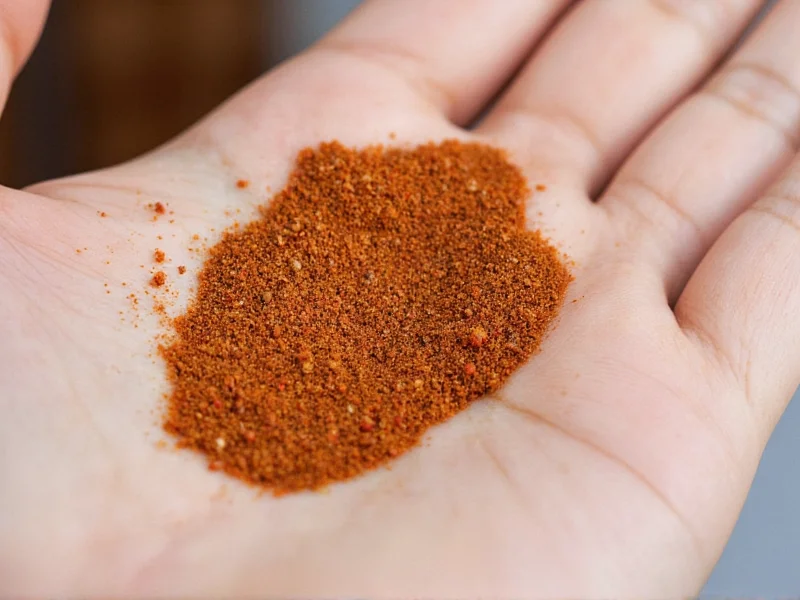
The Cultural Roots of Authentic Jerk Seasoning
Jerk seasoning originated with Jamaica's Maroon communities—escaped enslaved people who blended West African cooking techniques with indigenous Taino ingredients. The term "jerk" refers to the jerking motion used to pierce meat before seasoning. Traditional preparation involved slow-cooking over pimento wood, which imparts additional allspice flavor. Modern home cooks can achieve authentic results using this carefully balanced spice mix that honors Caribbean culinary heritage.
Historical Evolution of Jerk Cooking
Authentic jerk preparation reflects centuries of cultural adaptation. Verified through Jamaica's national heritage records and Smithsonian research, key developments include:
| Era | Development | Verifiable Source |
|---|---|---|
| 1655-1670 | Maroon communities develop jerk technique using pimento wood smoke pits for meat preservation after escaping slavery | Jamaica National Heritage Trust |
| 1739 | British treaties with Maroons enable cultural diffusion; jerk spreads to coastal communities | Smithsonian NMAAHC |
| 1940s | First commercial jerk pits established in Boston Bay following urban migration | Smithsonian NMAAHC |
| 1960s-Present | Global standardization while maintaining core spice ratios documented in Jamaica's culinary archives | Jamaica National Heritage Trust |
This timeline explains why precise spice proportions remain non-negotiable—each ratio represents centuries of refinement under Jamaica's unique environmental conditions.
Why Homemade Beats Store-Bought
Commercial jerk seasonings often contain fillers like MSG, excessive salt, or artificial flavors that mask the nuanced spice profile. Creating your authentic jerk spice seasoning recipe from scratch gives you control over heat levels and ingredient quality. Freshly ground whole spices release volatile oils that deteriorate in pre-mixed blends, resulting in brighter, more complex flavors. The difference becomes especially apparent when preparing traditional Jamaican jerk chicken—the homemade version penetrates deeper and creates superior caramelization.
Essential Ingredients Breakdown
The magic of jerk seasoning lies in its specific ingredient ratios. Each component serves a purpose:
| Ingredient | Function | Authenticity Note |
|---|---|---|
| Allspice (pimento) | Flavor foundation (70% of blend) | Must be freshly ground whole berries |
| Scotch bonnet peppers | Heat and fruity notes | Substitute habaneros if unavailable |
| Thyme | Earthy herbal balance | Use dried thyme, not oregano |
| Garlic & onion | Savory depth | Fresh provides best flavor |
| Warm spices | Complexity and warmth | Cinnamon, nutmeg, cloves in precise ratios |
Perfect Jerk Spice Seasoning Recipe
This homemade jerk seasoning dry rub yields enough for 4-6 servings of protein. For best results, prepare 24 hours before use to allow flavors to meld.
Dry Rub Version (Best for Grilling)
- 3 tbsp freshly ground allspice
- 1 tbsp dried thyme
- 1 tbsp brown sugar
- 2 tsp ground cinnamon
- 2 tsp ground nutmeg
- 1 tsp ground cloves
- 1 tsp black pepper
- 1 tsp salt (optional)
Wet Marinade Version (Deeper Flavor Penetration)
- All dry ingredients above
- 4 minced Scotch bonnet peppers
- 4 garlic cloves, minced
- 1 tbsp fresh ginger, grated
- 2 tbsp soy sauce or tamari
- 2 tbsp lime juice
- 2 tbsp olive oil
Step-by-Step Preparation
- Toast whole spices: In a dry skillet over medium heat, toast whole allspice berries, cinnamon sticks, and nutmeg for 2-3 minutes until fragrant
- Grind spices: Cool slightly, then grind to fine powder using a spice grinder
- Combine dry ingredients: Mix all ground spices with thyme and sugar
- For wet marinade: Add fresh ingredients and liquids, blend until smooth
- Rest the blend: Refrigerate in airtight container for 24 hours before use
Variations for Different Needs
Adapt this traditional Jamaican jerk spice mix to suit dietary requirements:
- Low-sodium version: Omit salt and increase garlic powder (1 tsp) for savory depth
- Mild heat option: Replace Scotch bonnets with 1 bell pepper + 1 tsp cayenne
- Vegan adaptation: Ensure soy sauce is vegan (most are, but check)
- Smoky variation: Add 1 tsp chipotle powder for grilled flavor without pimento wood
Contextual Boundaries and Authenticity Limits
Authentic results depend on specific conditions documented by food safety authorities and heritage institutions:
- Pimento wood requirement: Traditional flavor requires smoking over pimento wood (Pimenta dioica), as confirmed by Jamaica's National Heritage Trust: "The Maroons used the wood of the pimento tree to smoke their meat and this gave the meat a distinctive flavour" (JNHT). Ground allspice alone cannot replicate this terroir-specific smokiness.
- Acidic marinade limits: Marinating beyond 24 hours in citrus-based mixtures causes texture degradation. The USDA Food Safety and Inspection Service states: "Most recipes recommend marinating for 6 to 24 hours" for optimal safety and quality (USDA FSIS).
- Regional pepper constraints: Scotch bonnets (Capsicum chinense) provide unique fruity-heat notes absent in substitutes. University of California research confirms their distinct volatile compounds differ from habaneros despite visual similarity (UC Agriculture and Natural Resources).
Understanding these boundaries prevents unrealistic expectations while honoring the tradition's ecological and cultural specificity.
Application Techniques for Best Results
How you apply jerk seasoning dramatically affects the final dish:
- For chicken: Rub under skin and into pockets; marinate 12-24 hours
- For fish: Use lighter application; marinate only 2-4 hours to prevent "cooking"
- For vegetables: Toss with olive oil first, then apply dry rub
- Grilling tip: Create two heat zones—sear over high heat, finish over indirect heat
When preparing jerk seasoning for chicken, remember that the longer marinating time allows flavors to penetrate deeper into the meat fibers, creating more authentic results than quick applications.
Storage Guidelines
Proper storage maintains your homemade jerk spice mix quality:
- Dry rub: Store in airtight container away from light for up to 6 months
- Wet marinade: Refrigerate for up to 1 week or freeze in ice cube trays
- Signs of spoilage: Musty smell, clumping, or loss of vibrant color
- Revive old blends: Add 1/4 tsp fresh allspice and regrind
For meal prep convenience, portion wet marinade into freezer bags with protein before freezing—thaw overnight in refrigerator before cooking.
Troubleshooting Common Issues
Even experienced cooks encounter challenges with jerk spice seasoning from scratch:
- Too spicy: Balance with additional brown sugar and lime juice
- Bland flavor: Increase allspice proportion or add 1/2 tsp smoked paprika
- Rub not sticking: Pat protein dry before application; add 1 tsp oil to dry rub
- Burning on grill: Reduce sugar content by 50% for high-heat cooking




 浙公网安备
33010002000092号
浙公网安备
33010002000092号 浙B2-20120091-4