
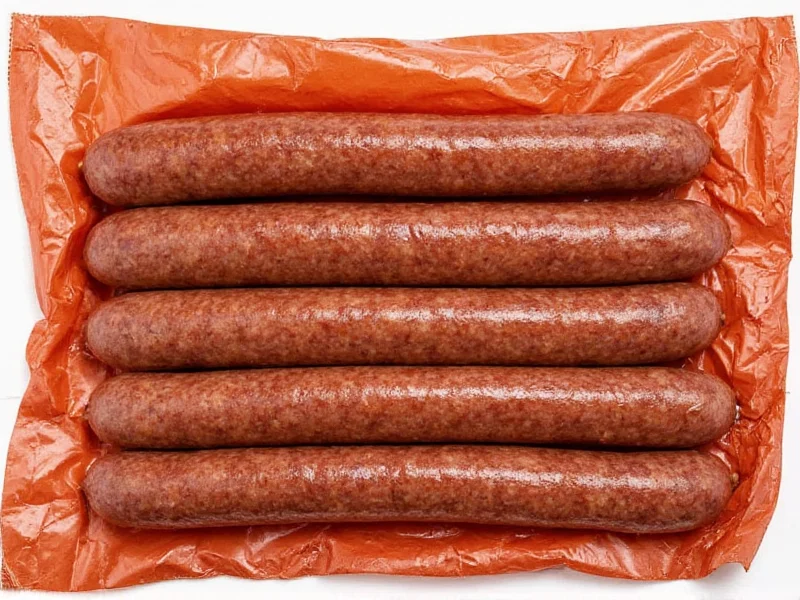
When exploring specialty meat products, understanding what makes a sausage truly "gourmet" helps consumers make informed choices. Jeff's Gourmet Sausage represents a category of premium sausage products that prioritize quality ingredients and traditional preparation techniques over mass production. These sausages typically use humanely raised meats, natural casings, and carefully curated spice blends that create distinctive flavor profiles without artificial additives.
Defining Characteristics of Gourmet Sausage
Gourmet sausages differ from standard supermarket varieties in several key aspects. The most notable differences include ingredient quality, preparation methods, and attention to traditional recipes. While conventional sausages often contain fillers, preservatives, and lower-grade meats, gourmet options like Jeff's Gourmet Sausage focus on premium ingredients and artisanal craftsmanship.
| Feature | Standard Sausage | Gourmet Sausage |
|---|---|---|
| Meat Quality | Various grades, often includes trimmings | Premium cuts, specific animal breeds |
| Casings | Synthetic or lower-quality natural | Natural hog or sheep casings |
| Additives | Common preservatives and fillers | Minimal to no artificial ingredients |
| Preparation | Mechanized mass production | Handcrafted in smaller batches |
Understanding Gourmet Sausage Production
The production process for gourmet sausages like Jeff's Gourmet Sausage involves careful attention at every stage. Butchers typically select specific meat cuts, maintain precise fat-to-lean ratios, and grind meats at optimal temperatures to preserve texture. The seasoning blends undergo rigorous testing to achieve balanced flavor profiles that complement rather than overwhelm the natural meat flavors.
Traditional sausage making involves stuffing the seasoned meat mixture into natural casings, which allows for better moisture control during cooking and creates that distinctive "snap" when biting into a quality sausage. Many gourmet producers, including those making Jeff's Gourmet Sausage products, follow regional recipes passed down through generations, whether Italian, German, or other culinary traditions.
Common Varieties in Gourmet Sausage Lines
Gourmet sausage producers typically offer diverse varieties catering to different palates and culinary applications. Popular options often include:
- Classic Bratwurst - Made with premium pork and traditional German spices
- Italian Sweet and Hot - Featuring fennel, garlic, and varying chili levels
- Breakfast Sausage - Carefully spiced morning options without artificial maple flavoring
- Specialty Flavors - Such as apple chicken, jalapeño cheddar, or wild boar blends
- Smoked Varieties - Using natural wood smoking processes for authentic flavor
Where to Find Quality Gourmet Sausages
Locating authentic gourmet sausages requires knowing where to look. Specialty butcher shops, farmers' markets, and high-end grocery stores typically carry these premium products. Some regional producers distribute through local food co-ops or specialty food retailers. When searching for where to buy Jeff's gourmet sausage products, consumers should look for establishments that specialize in quality meats rather than standard supermarket chains.
For those interested in specific varieties of Jeff's gourmet sausage ingredients, checking with local specialty butchers provides the best opportunity to learn about sourcing practices and ingredient quality. Many premium sausage makers proudly disclose their meat sources and preparation methods to interested customers.
Proper Storage and Handling Techniques
Handling gourmet sausages properly maintains their quality and ensures food safety. These products typically require refrigeration below 40°F (4°C) and should be used within 3-5 days of purchase. For longer storage, freezing is recommended, though this may slightly affect texture. When thawing frozen gourmet sausages, the refrigerator method (24-48 hours) preserves quality better than quick-thaw methods.
Culinary Applications for Gourmet Sausages
Gourmet sausages offer versatility in cooking applications. The best ways to cook Jeff's gourmet sausage depend on the specific variety, but generally include:
- Grilling - Medium heat prevents casing rupture while developing flavor
- Pan-searing - Creates a flavorful crust while cooking through evenly
- Simmering - Ideal for sausages destined for pasta dishes or stews
- Oven-roasting - Provides even cooking with minimal attention required
When preparing gourmet sausages, avoiding high heat initially prevents casing splitting, which can cause valuable juices to escape. Many chefs recommend starting sausages in cooler areas of the grill or pan and moving them to higher heat only after they've partially cooked through.
Evaluating Quality in Gourmet Sausages
Consumers can assess sausage quality through several indicators. Visual inspection should reveal consistent coloring without excessive liquid in packaging. When handling, quality sausages feel firm but not hard, with natural casings that appear intact. The aroma should be fresh and meaty without sour or chemical notes. When cooked properly, gourmet sausages release flavorful juices and develop an appealing crust without excessive shrinkage.
Understanding how Jeff's gourmet sausage is made provides insight into its quality markers. Traditional producers typically avoid water injection and excessive fillers, resulting in better texture and flavor concentration. The fat distribution should appear marbled rather than separated, indicating proper emulsification during preparation.
Comparing Regional Sausage Traditions
Gourmet sausage makers often draw inspiration from regional traditions worldwide. German bratwurst emphasizes subtle spice profiles that complement the pork, while Italian varieties feature more pronounced fennel and garlic notes. French sausages often incorporate wine and herbs, and Eastern European styles might include paprika and caraway. Understanding these traditions helps consumers select varieties that match their flavor preferences when exploring different Jeff's gourmet sausage varieties, while also reflecting centuries of culinary adaptation.
Evolution of Gourmet Sausage: Historical Development
The modern gourmet sausage movement represents a deliberate return to pre-industrial practices, shaped by consumer demand for transparency and quality. Historical analysis by the Smithsonian Institution and USDA market data reveals how economic and cultural shifts transformed sausage production:
| Era | Production Context | Impact on Sausage Quality |
|---|---|---|
| Pre-1900 | Localized butchery with regional recipes using farm-fresh meats | High-quality sausages with distinctive regional flavors; zero preservatives required due to immediate consumption |
| 1920s-1960s | Rise of industrial meatpacking (per USDA's Economic Research Report No. 807) | Standardized mass production introduced fillers, preservatives, and synthetic casings to extend shelf life |
| 1980s-1990s | Slow Food Movement emergence (Slow Food International) | Revival of artisanal methods; small producers began rejecting industrial additives and reclaimed traditional recipes |
| 2000s-Present | USDA farmers' markets growth (from 1,755 in 1994 to 8,796 in 2022; AMS Data) | Direct-to-consumer channels enabled gourmet producers like Jeff's to scale while maintaining quality standards |
Practical Application Guidelines: When Gourmet Sausage Excels
Gourmet sausages deliver exceptional value in specific contexts but face limitations in others. The Specialty Food Association's 2023 Industry Report identifies key usage boundaries based on consumer behavior and production economics:
| Usage Scenario | Recommended Application | Key Limitations |
|---|---|---|
| Special Occasion Dining | Ideal for brunches, celebrations, or chef-driven meals where flavor complexity is paramount | 30-50% price premium (per SFA data) makes daily use cost-prohibitive for most households |
| Dietary-Specific Needs | Suitable for clean-label diets (no artificial additives) and premium protein sources | Limited options for strict religious diets (e.g., halal/kosher) due to specialized processing requirements |
| High-Volume Events | Use selectively for signature dishes where quality justifies cost | Perishability (3-5 day refrigerated shelf life) and portion consistency challenges at scale |
| Culinary Education | Superior teaching tool for understanding fat ratios, casing techniques, and regional spice profiles | Natural casings require precise heat control; beginners risk splitting without proper technique |




 浙公网安备
33010002000092号
浙公网安备
33010002000092号 浙B2-20120091-4