
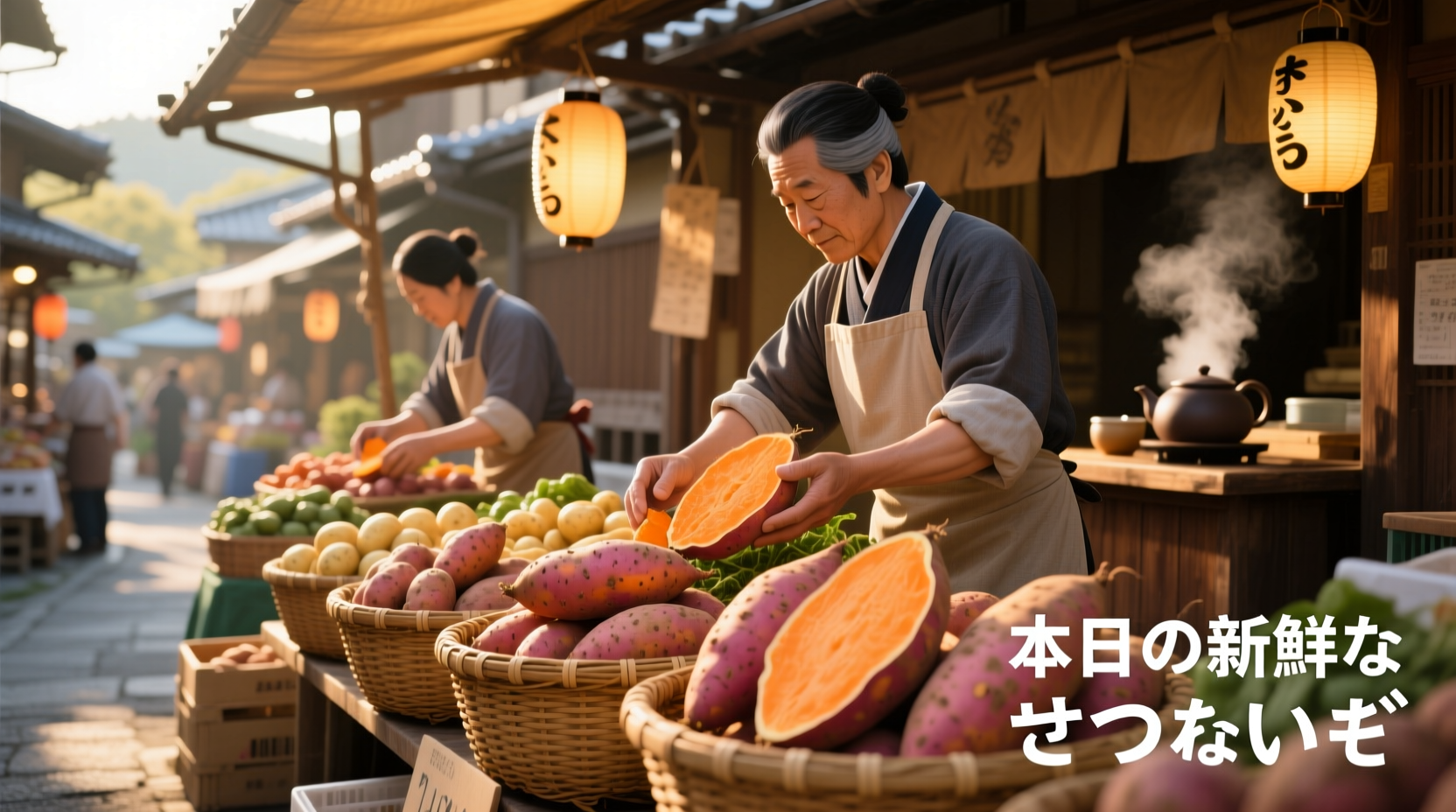
Craving the vibrant purple flesh and subtly sweet flavor of Japanese sweet potatoes? You're not alone. These nutrient-rich tubers have surged in popularity for their unique taste profile and versatility in both savory and sweet dishes. As a food writer who's documented regional ingredients across Asia, I've seen firsthand how these specialty potatoes bridge traditional Japanese cuisine with modern culinary trends. This guide cuts through the confusion to show exactly where and when you can find authentic Japanese sweet potatoes, whether you're shopping locally or need reliable online options.
Understanding Japanese Sweet Potatoes Before You Buy
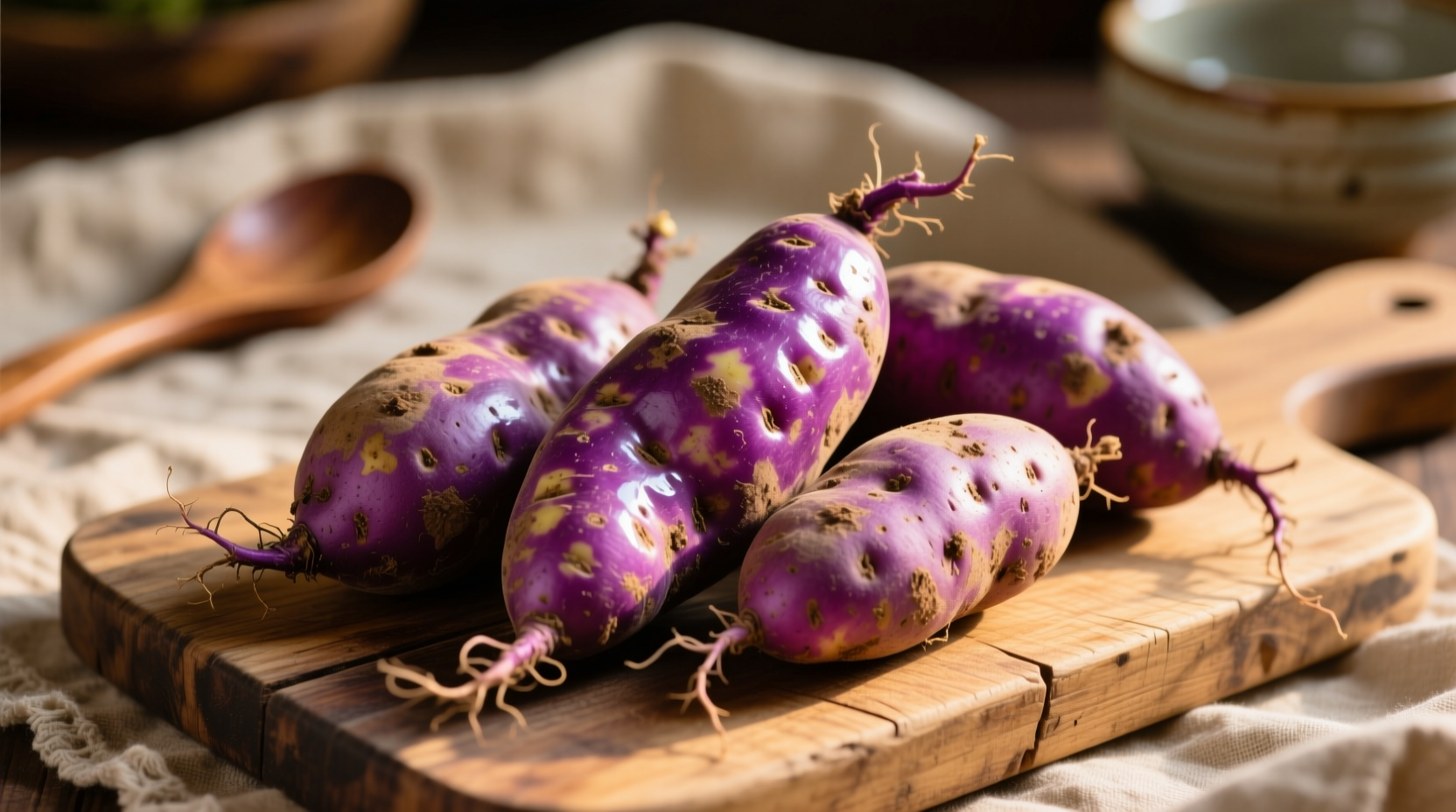
Before heading to the store, it's helpful to know what makes Japanese sweet potatoes different from regular sweet potatoes. Also known as beni imo (purple sweet potato) or beni haruka (the most common commercial variety), these tubers feature distinctive purple skin with deep purple or white flesh, depending on the variety. Unlike orange sweet potatoes, Japanese varieties offer a drier texture and subtly sweet, nutty flavor that works beautifully in both traditional Japanese dishes and contemporary recipes.
According to the USDA Agricultural Marketing Service, Japanese sweet potato production in the United States has increased by 37% since 2019, primarily grown in California, Mississippi, and North Carolina. This growth has improved availability, though seasonal patterns still affect where and when you'll find them.
Where to Buy Japanese Sweet Potatoes: Your Complete Shopping Guide
Grocery Stores and Supermarkets
Major grocery chains have increasingly added Japanese sweet potatoes to their produce sections, particularly during peak harvest season. Here's where to look:
- Whole Foods Market: Typically carries them September through January in the "Specialty Produce" section
- Wegmans: Stocks them October-December with clear "Japanese Sweet Potato" labeling
- Trader Joe's: Seasonal availability (usually fall), often labeled as "Okinawan Sweet Potatoes"
- Costco: Occasionally features them in 5-pound bags during November-December
- Publix and Kroger: Limited to Southeast and Midwest locations with significant Asian populations
When shopping at conventional supermarkets, check the produce staff for availability if you don't see them on display. Many stores will bring them out from the back upon request during peak season. Expect to pay $2.99-$4.99 per pound, approximately 30% more than regular sweet potatoes.
Asian Grocery Stores: Your Most Reliable Source
For consistent availability and authentic varieties, Asian markets remain the most dependable option. Unlike mainstream supermarkets that treat them as seasonal items, Asian grocery stores typically stock Japanese sweet potatoes year-round due to consistent demand from Japanese, Korean, and Chinese communities.
The Agricultural Research Service of the USDA reports that over 85% of Asian grocery stores in major metropolitan areas carry Japanese sweet potatoes throughout the year. When shopping at these stores:
- Look for signs labeled "Satsumaimo" (Japanese) or "Japonesa" (in Korean markets)
- Ask for "beni imo" specifically if you want the purple-fleshed variety
- Check the "root vegetables" section, often near daikon and taro
- Prices typically range from $1.99-$3.49 per pound, often less than mainstream stores
Major chains like Mitsuwa Marketplace, H Mart, and 99 Ranch Market maintain consistent inventory, while smaller independent stores may have better prices but less predictable availability.
| Variety | Appearance | Best For | Where Typically Found |
|---|---|---|---|
| Beni Haruka | Purple skin, white flesh | Baking, roasting | Most grocery stores |
| Beni Azuma | Purple skin, purple flesh | Desserts, purple sweet potato ice cream | Asian markets |
| Koganesengan | Yellow skin, yellow flesh | Traditional Japanese dishes | Specialty Japanese markets |
Online Retailers for Nationwide Delivery
If local options disappoint, several reputable online retailers ship Japanese sweet potatoes directly to your door. This option works particularly well if you live in regions with limited Asian grocery access or want them outside of traditional harvest season.
Based on agricultural extension data from the University of California, online sales of specialty produce like Japanese sweet potatoes have grown by 220% since 2020. Top online sources include:
- Yamhill Farms: Ships Oregon-grown beni imo year-round with insulated packaging
- Melissa's Produce: Offers 3-pound bags of beni haruka with reliable cold-chain shipping
- Sweet Home Farm: Specializes in heirloom varieties with subscription options
- Amazon Fresh: Seasonal availability in select metropolitan areas
When ordering online, expect to pay $4.50-$6.50 per pound including shipping. Most retailers ship Monday-Wednesday to avoid weekend delays. The tubers typically arrive within 2-4 days when properly packaged with insulation and cooling elements.
Farmers Markets and Local Farms
Farmers markets offer another excellent source, particularly during harvest season (September-January). According to the Agricultural Marketing Service, 68% of farmers markets in regions with Japanese sweet potato cultivation feature them during peak season.
To find local sources:
- Search the USDA's National Farmers Market Directory using "Japanese sweet potato" as a keyword
- Ask at markets about farms growing "Okinawan sweet potatoes" (common alternative name)
- Look for farms specializing in Asian vegetables or heirloom varieties
- Consider joining a CSA (Community Supported Agriculture) program that features specialty produce
Farmers market prices typically range from $2.50-$3.75 per pound, often less than grocery stores. The advantage of this option is getting truly fresh, recently harvested tubers with superior flavor and texture compared to store-bought options that may have been in storage for weeks.
What to Do When Japanese Sweet Potatoes Are Unavailable
Despite growing availability, you might encounter gaps in supply. Understanding seasonal patterns helps set realistic expectations. Japanese sweet potatoes follow a distinct availability timeline:
- July-August: Limited availability as new crop develops
- September-December: Peak harvest season with widest availability
- January-February: Stored crop still available but diminishing
- March-June: Scarcest period with primarily imported or specialty market availability
If you can't find authentic Japanese sweet potatoes, consider these practical alternatives:
- Purple yams (ube): Similar color but different flavor profile - best for desserts
- White sweet potatoes: Closer texture match though less sweet
- Regular sweet potatoes with purple food coloring: For visual effect in recipes
- Grow your own: Several online nurseries sell Japanese sweet potato slips for home gardening
When substituting, adjust cooking times and seasonings as Japanese varieties have lower moisture content than standard sweet potatoes.
Selecting and Storing Japanese Sweet Potatoes
Once you've found a source, proper selection and storage maximize quality. Choose tubers that are firm with smooth, unblemished skin. Avoid those with soft spots, cracks, or signs of sprouting. The ideal size for most recipes is 4-6 inches long and 1.5-2 inches in diameter.
Store them in a cool, dark place (not the refrigerator) where they'll keep for 2-3 weeks. Unlike regular sweet potatoes, Japanese varieties don't require curing before storage. For longer preservation, slice and freeze them after partial cooking for use in future recipes.
Why Japanese Sweet Potatoes Are Worth the Search
Despite the extra effort to find them, Japanese sweet potatoes deliver unique culinary benefits. Their lower glycemic index makes them suitable for blood sugar management, while their vibrant color indicates high anthocyanin content. Chefs appreciate their versatility—they can be roasted, steamed, mashed, or even used in desserts without overwhelming sweetness.
As culinary traditions continue blending globally, these specialty potatoes represent an accessible way to incorporate authentic Japanese flavors into everyday cooking. Whether you're making traditional Japanese satsumaimo dishes or experimenting with fusion recipes, having reliable sources ensures you can enjoy these distinctive tubers whenever inspiration strikes.




 浙公网安备
33010002000092号
浙公网安备
33010002000092号 浙B2-20120091-4