
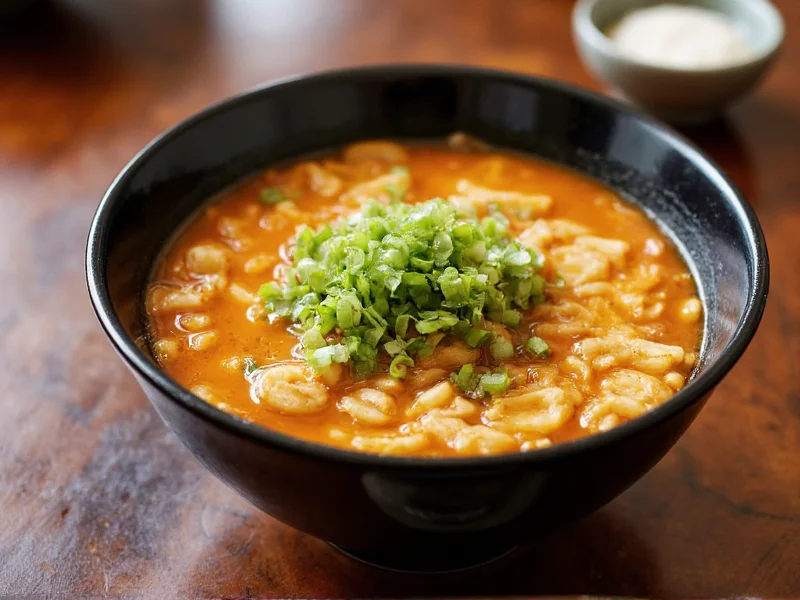
Japanese culinary tradition features soup as an essential component of nearly every meal, serving both nutritional and cultural purposes. Unlike Western soup traditions that often function as standalone courses, Japanese soups typically accompany rice and other dishes as integral elements of a balanced meal. The foundation of most traditional japanese soup varieties lies in dashi—a delicate broth made from kombu (kelp) and katsuobushi (dried bonito flakes)—which provides umami depth without overpowering other flavors.
Core Categories of Japanese Soup
Understanding japanese soup cultural significance requires recognizing its primary classifications. These categories reflect different preparation methods, ingredients, and dining contexts that have evolved over centuries of culinary refinement.
| Soup Type | Key Characteristics | Common Occasions |
|---|---|---|
| Miso Soup | Fermented soybean paste in dashi broth with tofu and seaweed | Daily breakfast and dinner staple |
| Ramen Broth | Complex broths (tonkotsu, shoyu, miso, shio) with noodles | Popular casual dining option |
| Sumashijiru | Clear broth with delicate ingredients like fish and vegetables | Formal meals and celebratory occasions |
| Tonjiru | Hearty pork and vegetable soup with miso base | Winter meals and family dinners |
Miso Soup: The Daily Essential
No discussion of authentic japanese soup recipes begins without addressing miso soup (misoshiru). This seemingly simple preparation appears at approximately 70% of Japanese meals, making it the most consumed soup variety. Traditional miso soup ingredients and preparation involve heating dashi broth to just below boiling, then dissolving miso paste—never boiling the miso directly, which destroys beneficial enzymes and alters flavor.
Miso varieties differ significantly by region: white miso (shiro miso) from Kyoto offers mild sweetness, while red miso (aka miso) from Aichi provides deeper, saltier notes. Seasonal variations incorporate ingredients like clams in spring, eggplant in summer, mushrooms in autumn, and hearty root vegetables in winter. The standard miso-to-dashi ratio ranges from 1-2 tablespoons per cup of broth, adjusted according to personal preference and regional customs.
Ramen Broth: Complexity in a Bowl
While often categorized by its noodles, ramen's true distinction lies in its broth. Understanding ramen broth types and differences reveals Japan's regional culinary diversity. The four primary classifications include:
- Shoyu (soy sauce-based): Tokyo's clear, brown broth featuring chicken or fish stock with soy sauce seasoning
- Shio (salt-based): Hokkaido's lighter, clear broth emphasizing delicate dashi flavors
- Miso: Sapporo's hearty, fermented broth combining miso paste with pork or chicken stock
- Tonkotsu: Fukuoka's rich, cloudy broth made by boiling pork bones for hours until collagen emulsifies
Crafting authentic ramen broth requires meticulous attention to ingredient ratios and cooking times. Tonkotsu broth, for example, typically simmers pork bones for 12-18 hours with periodic skimming to achieve its characteristic creamy texture without excessive greasiness. Regional japanese soup specialties often reflect local agricultural products and climate considerations.
The evolution of ramen broth styles demonstrates Japan's culinary adaptation process. According to the Japan External Trade Organization's documented timeline:
- Late 19th Century: Ramen introduced from China, with first recorded shop in Yokohama (1884)
- 1910: Rairaiken restaurant in Tokyo's Asakusa district popularizes ramen as street food
- Post-WWII (1945-1950s): U.S. wheat imports make noodles affordable, enabling nationwide proliferation
- 1958: Nissin Foods invents instant ramen, democratizing accessibility
- 1970s-1980s: Regional specialties (tonkotsu in Fukuoka, miso in Sapporo) gain national recognition
Source: Japan External Trade Organization - Ramen: A Japanese Dish with Chinese Origins
Traditional Clear Soup (Sumashijiru)
Sumashijiru represents japanese clear soup at its most refined. This elegant preparation features a crystal-clear dashi broth enhanced with minimal ingredients like thinly sliced fish (often pike conger), leafy greens, and seasonal vegetables. The clarity results from careful broth preparation—never allowing the dashi to reach a full boil, which would cloud the liquid.
Sumashijiru appears frequently in kaiseki (traditional multi-course dining) and during celebratory occasions like New Year's. Its restrained flavor profile complements other dishes without dominating the meal. Chefs achieve perfect clarity through a process called otori, where egg whites or ground meat are added to the broth, then carefully strained out, taking impurities with them.
Sumashijiru operates within strict contextual boundaries that define its cultural application. As documented by Japan's National Tourism Organization, this soup is exclusively appropriate for formal settings such as kaiseki meals, weddings, and New Year celebrations. Its delicate composition becomes culturally inappropriate in casual dining contexts where miso soup dominates—serving sumashijiru at ordinary family dinners would violate established culinary etiquette. Furthermore, ingredient selection must adhere to seasonal availability; using off-season produce fundamentally undermines the dish's purpose of connecting diners with nature's rhythms. These constraints ensure sumashijiru maintains its role as a ceremonial element rather than everyday sustenance.
Source: Japan National Tourism Organization - Kaiseki Dining Protocol
Regional Variations and Seasonal Adaptations
Japan's diverse geography produces distinctive regional japanese soup specialties. In Okinawa, ushirafu features pork bone broth with local vegetables, while Kyoto's kombu dashi emphasizes delicate kelp flavors reflecting the city's vegetarian Buddhist traditions. Northern regions favor heartier preparations like ishikari nabe (salmon hot pot) to combat cold winters, whereas southern areas prefer lighter broths.
Seasonal considerations significantly influence japanese winter soup dishes and summer variations. Winter menus feature warming preparations like tonjiru (pork and vegetable miso soup) and chankonabe (sumo wrestler hot pot), while summer offerings include chilled hiyajiru (cold miso soup) and lighter dashi-based preparations. Many households maintain separate miso varieties for different seasons, adjusting salt content and fermentation levels accordingly.
Vegetarian and Modern Adaptations
Traditional dashi presents challenges for vegetarians due to its reliance on fish products. However, authentic vegetarian japanese soup options exist through ichiban dashi made exclusively from kombu, sometimes enhanced with dried shiitake mushrooms. Modern adaptations increasingly incorporate ingredients like dried tomatoes or dried shiitake to boost umami without animal products.
Vegetarian dashi applications face specific cultural and technical limitations. As verified by Japan's Agency for Cultural Affairs, kombu-only dashi has been authentically used in shojin ryori (Buddhist temple cuisine) for over 500 years, but this tradition remains confined to temple settings and specialized vegetarian restaurants. In mainstream Japanese dining, a soup made solely with kombu is often perceived as lacking the umami complexity achieved through kombu-katsuobushi synergy. This creates a contextual boundary where vegetarian dashi is culturally appropriate for religious observances but considered incomplete for conventional soup preparation. The Agency specifically notes that shojin ryori's strict vegetarianism reflects Buddhist principles but represents a specialized tradition distinct from everyday Japanese culinary practice.
Source: Agency for Cultural Affairs - Shojin Ryori Documentation
Contemporary chefs experiment with global influences while respecting traditional techniques. Some innovative preparations include miso soup with French herbs, ramen broths incorporating European bone stocks, or vegan tonkotsu using coconut milk for creaminess. These modern interpretations maintain respect for foundational techniques while expanding accessibility for diverse dietary preferences.
Cultural Significance Beyond Nutrition
Japanese soup functions as more than sustenance—it embodies philosophical principles of balance and seasonality. The standard meal structure of ichiju-sansai (one soup, three sides) positions soup as essential for digestive harmony. Miso soup specifically represents washoku (traditional Japanese dietary culture), recognized by UNESCO as an Intangible Cultural Heritage.
The ritual of soup preparation and consumption reflects deeper cultural values. The careful straining of sumashijiru symbolizes purification, while the communal nature of nabemono (hot pot dishes) reinforces social bonds. Even the placement of the soup bowl—always to the right of the rice bowl—follows centuries-old dining etiquette that continues in traditional settings.




 浙公网安备
33010002000092号
浙公网安备
33010002000092号 浙B2-20120091-4