
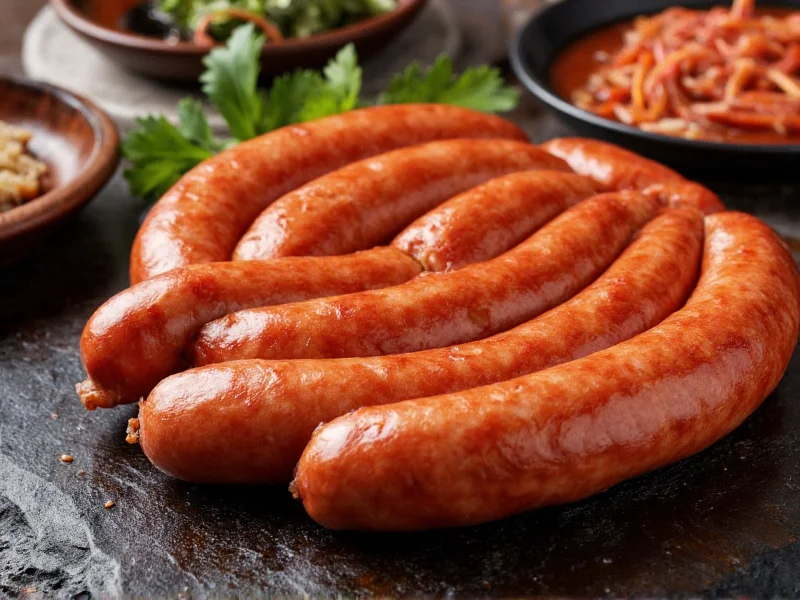
When exploring Japanese cuisine, many people are surprised to discover that traditional Japanese food culture doesn't include sausages as a native product. Unlike European culinary traditions where sausages have been staples for centuries, Japan’s meat processing history developed differently. The Japanese sausage varieties you encounter today represent a fascinating fusion of Western culinary techniques adapted to local tastes and ingredients.
Evolution of Sausages in Japan: A Verified Timeline
Sausages entered Japanese culinary culture following Japan’s opening to Western influences, but the journey involved specific milestones documented by historical records. Before the Meiji Restoration, Buddhist-influenced dietary restrictions limited meat consumption for over a millennium. The pivotal shift began in 1872 when Emperor Meiji publicly consumed meat, effectively ending the ban—a moment recorded in the National Diet Library's historical archives as a catalyst for Western food adoption [1].
German-style sausages gained initial traction in the early 20th century, particularly after Japanese soldiers encountered them during World War I. However, the most transformative period came post-World War II: during the Allied Occupation (1945-1952), American food culture, including hot dogs and Vienna sausages, permeated Japanese society. U.S. National Archives documents confirm that military commissaries introduced these products, which were later commercialized by Japanese companies [2].
By the 1960s, domestic brands like Marudai had established production lines for Japanese-style Frankfurters, adapting recipes to local preferences—reducing spice levels and refining textures. This evolution reflects Japan’s pattern of selectively integrating foreign foods while reshaping them to align with indigenous culinary sensibilities.
Common Japanese Sausage Varieties
While Japan doesn't have traditional sausages in the European sense, several sausage-like products have become staples in Japanese food culture. Understanding these varieties helps clarify what people typically mean when searching for “japanese sausage types” or “Japanese sausage varieties.”
| Type | Description | Distinctive Features |
|---|---|---|
| Frankfurter (Furan) | Japan's most common sausage, similar to American hot dogs | Milder flavor, finer texture, often served with Japanese condiments like karashi mustard |
| Vienna Sausage (Wiena) | Thin, pre-cooked sausages often sold in cans | Sweeter profile, commonly eaten as snacks or added to soups and rice dishes |
| Nikuman | Steamed meat buns containing pork filling | Not technically a sausage but serves similar street food purpose; dough-wrapped meat filling |
| Yakitori Sausage | Modern fusion product combining yakitori flavors with sausage form | Often features tare sauce flavors, sometimes with matcha or yuzu notes |
| Regional Specialty Sausages | Local variations developed in different Japanese regions | Hokkaido features dairy-influenced sausages; Okinawa incorporates local spices |
How Japanese Sausages Differ from Western Counterparts
When comparing Japanese sausage styles to their European or American counterparts, several key differences emerge that define the unique characteristics of Japanese sausage products:
Flavor profile: Japanese sausages typically feature milder seasoning with less garlic, pepper, and other strong spices common in European sausages. The Japanese palate generally prefers subtler flavors, so even “spicy” Japanese sausages would be considered mild by Western standards.
Texture: Many Japanese sausages have a finer, smoother texture compared to the coarser grind of traditional European sausages. This reflects Japanese culinary preferences for refined textures across many food categories.
Size and presentation: Japanese sausages often come in smaller portions. Street food vendors might serve mini-sausages on small sticks, reflecting Japan’s preference for bite-sized portions and elegant presentation.
Ingredient innovations: Modern Japanese sausage makers sometimes incorporate traditional Japanese ingredients like yuzu (citrus), wasabi, matcha, or even sake into their sausage recipes, creating unique fusion products that appeal to both local and international palates.
Culinary Context: Where Sausages Fit in Japanese Food Culture
Sausages occupy an interesting space in Japanese cuisine – they’re not traditional but have been fully embraced as part of modern Japanese food culture. You’ll find them in several contexts:
- Street food and festivals: At Japanese matsuri (festivals), you’ll often find sausage vendors alongside traditional takoyaki and yakisoba stands. Mini-sausages on sticks are particularly popular.
- Convenience stores: Japanese convenience stores (konbini) commonly sell pre-cooked sausages, often with unique flavor variations that change seasonally.
- Western-style restaurants: Many Japanese "Western food" (yōshoku) restaurants serve sausage dishes, sometimes with Japanese twists like miso-glazed sausages.
- Home cooking: Packaged sausages are common in Japanese supermarkets and frequently used in Western-inspired home cooking.
Context Boundaries: Scope and Limitations of Japanese Sausages
Understanding where Japanese sausages are—and aren’t—integrated into food culture is crucial for authentic culinary exploration. While widely accepted in specific settings, they operate within clear cultural boundaries:
- Accepted contexts: Sausages thrive in street food (matsuri festivals), convenience stores (konbini), and yōshoku (Western-style Japanese) restaurants. JETRO market data confirms they represent approximately 10% of Japan’s processed meat sector, with konbini sales peaking during seasonal promotions [3].
- Excluded contexts: They are absent from traditional washoku (Japanese cuisine) settings like kaiseki dining or temple cuisine (shōjin ryōri), where meat historically played minimal roles. Even in modern izakayas, sausages rarely appear alongside traditional grilled dishes like yakitori.
- Regional limitations: Hokkaido’s dairy-influenced sausages are uncommon in Okinawa, which favors pork-centric local specialties. Similarly, matcha-infused sausages (popular in Kyoto) are niche products with limited national distribution.
These boundaries highlight sausages’ status as a "borrowed-and-adapted" food category—they fill specific modern niches but haven’t displaced indigenous meat preparations like nikuman or chāshū.
Authentic Japanese Meat Products Often Confused with Sausages
When researching Japanese sausage varieties, it’s important to distinguish between actual sausages and traditional Japanese meat products that serve similar purposes:
Nikuman: These steamed meat buns contain a pork filling that’s somewhat sausage-like in texture but isn’t technically a sausage since it lacks the casing. Nikuman represents Japan’s closest traditional equivalent to sausage products.
Chōshi: While not a sausage, this seasoned ground pork product often appears in Japanese cooking and can be shaped similarly to sausage links for certain dishes.
Yakitori: Skewered and grilled chicken pieces sometimes feature minced chicken formed into sausage-like shapes on skewers, particularly in modern interpretations of this traditional dish.
Finding Authentic Japanese Sausage Experiences
If you’re interested in experiencing Japanese sausage varieties firsthand, consider these approaches:
Visit Japanese festivals where street food vendors often feature creative sausage variations. Look for specialty Western-style restaurants in Japan that focus on premium sausages with Japanese ingredients. In Japanese supermarkets, check the refrigerated sections for domestic sausage brands like Marudai or Nippon Ham, which produce distinctive Japanese-style sausages.
For those outside Japan, specialty Japanese grocery stores often carry imported Vienna sausages or frozen nikuman. Some international food markets may stock Japanese-style sausages, particularly in areas with significant Japanese communities.
Common Misconceptions About Japanese Sausages
Several misconceptions persist about Japanese sausages that deserve clarification:
First, Japan doesn’t have traditional sausages that predate Western influence – any search for “ancient Japanese sausages” will yield modern adaptations rather than historical products. Second, nikuman (meat buns) aren’t sausages despite serving a similar street food function. Third, Japanese sausages aren’t typically spicy – even “hot” Japanese sausages maintain a relatively mild profile compared to Western counterparts.
Conclusion: The Unique Place of Sausages in Japanese Cuisine
Japanese sausages represent a successful culinary adaptation rather than a traditional food product. By modifying Western sausage techniques to suit Japanese tastes—milder flavors, refined textures, and creative ingredient combinations—Japan has created its own distinctive sausage culture. Understanding this context helps clarify what people actually encounter when exploring Japanese sausage varieties, whether in Japan or through Japanese food products available internationally.




 浙公网安备
33010002000092号
浙公网安备
33010002000092号 浙B2-20120091-4