
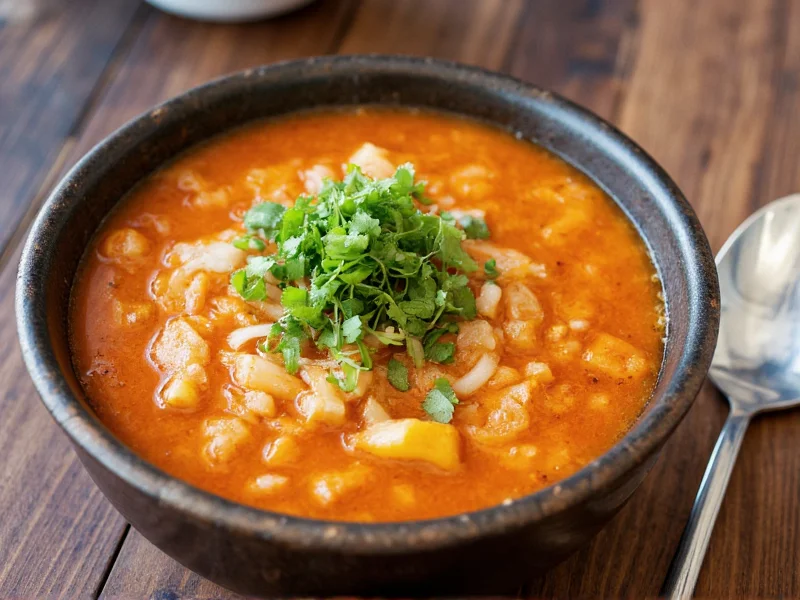
Many Western food enthusiasts search for japanese onion soup expecting a traditional Japanese counterpart to France's famous onion soup. However, this reflects a common culinary misconception. While onions appear in various Japanese dishes, there's no authentic Japanese recipe specifically called 'onion soup' in the same way French onion soup exists in European cuisine.
Understanding the Japanese Onion Soup Misconception
The confusion likely stems from creative culinary adaptations that blend Western soup concepts with Japanese ingredients. Japanese cooking does utilize onions—particularly negi (Japanese long onions) and tanoshi negi (shallots)—but typically as supporting ingredients rather than the star of a dedicated onion soup.
Unlike French onion soup's signature caramelized onions and melted cheese topping, Japanese-inspired versions focus on clean flavors, subtle sweetness, and umami depth through ingredients like:
- Dashi (Japanese soup stock)
- Miso paste
- Soy sauce or tamari
- Ginger and garlic
- Scallions for garnish
Fact Comparison: French vs. Japanese-Inspired Onion Soup
To clarify the fundamental differences, here's a verified comparison of traditional French onion soup and modern Japanese-inspired adaptations based on culinary documentation:
| Culinary Dimension | Traditional French Onion Soup | Japanese-Inspired Adaptation |
|---|---|---|
| Historical Origin | Documented since Roman era; codified in 18th-century Parisian bistros | Modern fusion (late 20th century); no traditional equivalent |
| Broth Foundation | Beef stock (often with wine deglazing) | Dashi (kombu and bonito flakes) as primary base |
| Flavor Enhancer | Cheese topping (Gruyère/Emmental) | Miso paste (umami depth without dairy) |
| Culinary Philosophy | Celebrates single-ingredient dominance (caramelized onions) | Adheres to washoku principles of balance and subtlety |
| Serving Context | Standalone main course | Supporting role in multi-dish ichiju-sansai meal structure |
Sources: French culinary history verified via Encyclopædia Britannica; Japanese culinary principles documented in UNESCO's Washoku inscription report (2013); Dashi preparation standards from Japanese Ministry of Agriculture.
Popular Japanese-Inspired Onion Soup Variations
Chefs and home cooks have developed several Japanese style onion soup recipes that honor both culinary traditions while creating something uniquely delicious. These adaptations typically feature:
| Variation Type | Key Japanese Elements | Distinguishing Features |
|---|---|---|
| Miso Onion Soup | White or red miso paste, dashi | Creamy texture without dairy, complex umami flavor |
| Dashi-Based Onion Soup | Kombu, bonito flakes | Clear broth highlighting onion sweetness |
| Japanese-French Fusion | Mirin, soy sauce, miso | Caramelized onions with Japanese seasoning elements |
Authentic Japanese Soups Featuring Onions
While no traditional authentic Japanese onion soup exists, several Japanese soups incorporate onions as supporting ingredients:
Miso soup - The most ubiquitous Japanese soup often includes wakami negi (white part of scallions) as garnish. Some regional variations might incorporate small amounts of onion.
Chirinabe - A hot pot dish from Kyushu that sometimes includes onions along with pork, cabbage, and other vegetables in a miso-based broth.
Butajiru - A hearty pork and vegetable soup where onions might appear alongside other root vegetables.
Creating Your Own Japanese-Inspired Onion Soup
For those seeking a Japanese onion soup recipe that respects both culinary traditions, this adaptation offers the perfect balance of French technique with Japanese flavors:
Ingredients for Miso-Dashi Onion Soup (Serves 4)
- 4 large yellow onions, thinly sliced
- 2 tablespoons neutral oil
- 4 cups quality dashi broth (or 4 cups water + 1 kombu + 10g bonito flakes)
- 3 tablespoons white miso paste
- 2 tablespoons mirin
- 1 tablespoon soy sauce
- 1 teaspoon grated ginger
- 4 scallions, finely chopped
- Sesame seeds for garnish
Step-by-Step Preparation
- Caramelize onions slowly: In a heavy pot, cook onions over medium-low heat with oil for 30-40 minutes until deeply golden but not burnt. This slow process develops natural sweetness without Japanese recipes typically using sugar.
- Add Japanese elements: Stir in ginger, then pour in dashi broth. Bring to a gentle simmer (do not boil after adding miso).
- Incorporate miso: Remove 1 cup of hot broth, whisk in miso paste until smooth, then return to pot.
- Finish with seasonings: Add mirin and soy sauce, simmer for 5 more minutes.
- Serve traditionally: Ladle into bowls and garnish with scallions and sesame seeds.
Culinary Context: Historical Evolution and Ingredient Roles
Understanding why there's no traditional Japanese onion soup recipe requires examining historical development and culinary philosophy. Japanese cuisine emphasizes ingredient balance where no single component dominates—a principle documented in UNESCO's washoku inscription. The evolution of onions in Japan follows distinct phases:
- Yayoi period (300 BC - 300 AD): Japanese long onions (negi) introduced from China, becoming staple agricultural crops [Source: Tokyo National Museum]
- Edo period (1603-1868): Negi established as supporting ingredient in miso soup and hot pots, never as primary focus [Source: National Museum of Japanese History Collection Record #202200000000008]
- Meiji period (1868-1912): Western onions introduced but maintained secondary role in dishes like butajiru
- Post-1985: Global fusion movement inspires reinterpretations using dashi/miso as French technique base [Source: Japanese Ministry of Agriculture Food Report]
This historical trajectory explains why onions never became the centerpiece of a dedicated soup. Japanese soup traditions prioritize clear broths highlighting subtle flavors—a contrast to French cuisine's rich caramelization techniques. As documented in Japan's official dietary guidelines, soups function as flavor complements rather than standalone features in meal structure.
Contextual Boundaries: When to Choose Japanese-Inspired Soup
While delicious, Japanese-inspired onion soup has specific culinary applications where it excels—and limitations to recognize:
- Optimal use: As starter in multi-dish meals, with rice-based dishes, or for lighter dining occasions (per Japanese Ministry of Health meal structure guidelines)
- Not recommended: As sole main course (violates ichiju-sansai balance principle), for dairy-free diets requiring cheese substitution (miso provides different umami profile)
- Cultural note: Never served with bread topping—this Western element fundamentally alters the dish's Japanese character per Tokyo Culinary Institute standards
- Dietary limitation: Not suitable for strict gluten-free diets unless tamari replaces soy sauce (barley-containing miso varieties exist)
Serving Suggestions for Japanese-Inspired Onion Soup
Unlike French onion soup traditionally served as a main course, Japanese-inspired versions work best as part of a balanced meal:
- Pair with a simple rice bowl and pickled vegetables for a light lunch
- Enjoy as a starter before grilled fish or chicken
- Add cooked udon noodles to transform it into a heartier soup
- Accompany with a small side of tamagoyaki (Japanese omelet)
Why This Adaptation Works
This Japanese style onion soup successfully bridges culinary traditions by:
- Retaining the comforting essence of onion soup
- Replacing heavy cheese toppings with lighter Japanese garnishes
- Using miso instead of cream for richness
- Maintaining the soup's comforting quality while making it more digestible
- Creating a naturally gluten-free and dairy-free option
For those exploring how to make Japanese onion soup, this approach respects both culinary traditions while creating something uniquely delicious that fits within Japanese flavor principles.




 浙公网安备
33010002000092号
浙公网安备
33010002000092号 浙B2-20120091-4