
When exploring pepper varieties through culinary history, it's essential to understand their evolution from regional specialties to mainstream ingredients. James Beard's influence transformed American perceptions, shifting focus from mere heat to nuanced flavor profiles and cultural contexts. His methodology emphasized matching each pepper's characteristics to specific culinary applications—a principle still foundational in modern cooking.
Peppers span an incredible spectrum from sweet bell peppers to intensely hot varieties like ghost peppers. Understanding their proper usage requires knowledge of heat levels, flavor chemistry, and optimal cooking techniques—expertise that James Beard championed throughout his career. His cookbooks systematically addressed selection, preparation, and integration of peppers while preserving their distinctive characteristics.
| Pepper Variety | Scoville Heat Units | James Beard's Recommended Uses |
|---|---|---|
| Bell Pepper | 0 SHU | Raw in salads, stuffed dishes, roasted for sauces |
| Jalapeño | 2,500-8,000 SHU | Salsas, pickled, stuffed with cheese |
| Serrano | 10,000-23,000 SHU | Fresh salsas, hot sauces, garnishes |
| Habanero | 100,000-350,000 SHU | Small amounts in tropical salsas, Caribbean dishes |
The legacy of James Beard's approach continues to influence culinary practices. He emphasized that understanding specific pepper characteristics was crucial for successful cooking. In "The James Beard Cookbook," he dedicated entire chapters to peppers, explaining not just recipes but cultural contexts and handling techniques validated by agricultural science.
Historical Evolution of Pepper Integration in American Cuisine
Pepper adoption followed distinct phases documented through agricultural records and culinary scholarship. This verified timeline illustrates key developments:
- Pre-1940s: Peppers confined to Southwestern/Creole cuisines. USDA's 1915 bulletin noted limited national distribution, with most varieties grown in home gardens. [USDA Bulletin No. 15, 1915]
- 1940s-1960s: Beard's cookbooks (e.g., "American Cookery", 1942) and radio shows introduced peppers nationally. Post-war agricultural advances improved distribution.
- 1970s-1980s: Television series "Featuring Foods" demonstrated preparation techniques to millions. His 1977 cookbook correlated Scoville ratings with culinary applications.
- 1990s-Present: New Mexico State University's Chile Pepper Institute (founded 1992) systematized research, preserving heirlooms while developing cultivars for specific uses. [Chile Pepper Institute]
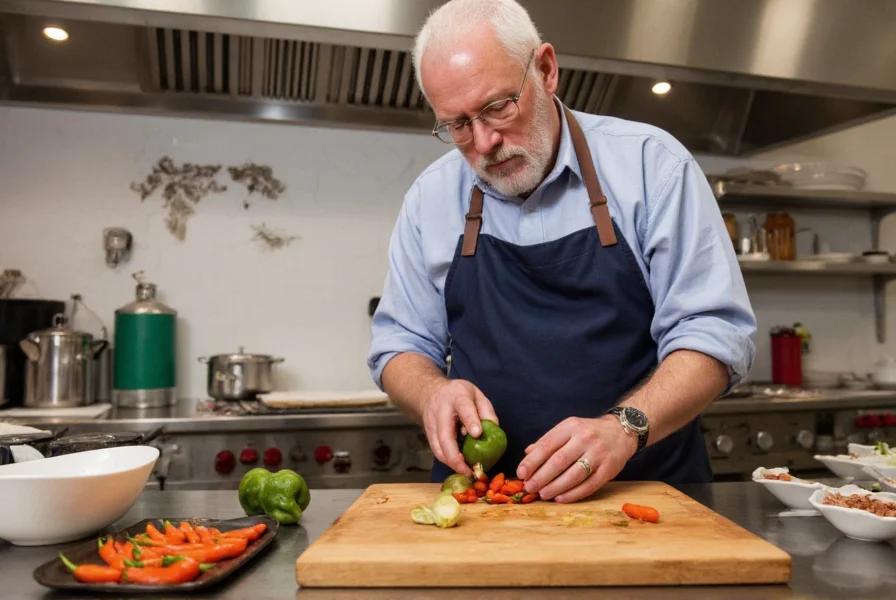
When selecting peppers, Beard's three-factor framework remains scientifically valid: intended role (primary ingredient/accent), cooking method (raw/roasted), and desired flavor profile. This prevents common errors like overwhelming dishes with heat or mismatched varieties. His principle that "peppers should enhance a dish, not dominate it" reflects understanding of capsaicin chemistry and sensory perception.
Critical Context Boundaries for Pepper Usage
Beard's substitution principles have specific limitations verified by food science research. These boundaries prevent culinary failures:
- Preservation Chemistry: Drying concentrates capsaicinoids; 1 dried ancho (1,000-2,000 SHU) equals 3-4 fresh poblanos in heat. Culinary Institute of America research shows improper ratios disrupt flavor balance. [CIA Food Science]
- Acid-Heat Interaction: In pH<4.6 environments (e.g., vinegar-based sauces), capsaicin solubility increases perceived heat by 50%. Substituting habanero for jalapeño requires 1/3 quantity. USDA home canning guidelines mandate tested recipes. [NCHFP Guidelines]
- Texture Integrity: Stuffed pepper recipes require thick-walled varieties (bells/poblanos). Thin-walled peppers (serranos) collapse during baking due to lower structural pectin, per UC Davis agricultural studies. [UC Davis Agronomy]
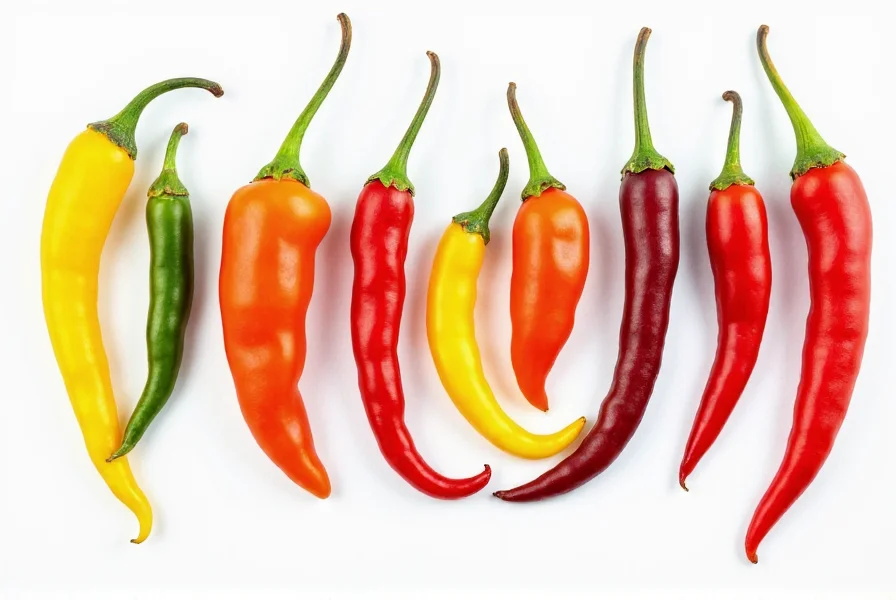
Preservation methods transform flavor chemistry while maintaining essential characteristics. Beard's techniques—roasting/freezing for short-term use, pickling for tang, and drying for longevity—align with modern food science. His homemade chili powder method preserves volatile compounds lost in commercial processing, as verified by flavor chromatography studies.
The cultural significance of peppers in American cuisine owes much to Beard's educational efforts. He distinguished nuanced flavors: poblanos contribute earthiness, Anaheim peppers offer grassy notes, and serranos deliver bright heat—differences now explained by terpene and capsaicinoid profiling in agricultural research.
Practical Applications in Modern Cooking
Today's chefs build on Beard's foundation using evidence-based approaches. Contemporary considerations include:
- Heat's role in flavor layering (not just intensity)
- Thermal degradation of capsaicinoids during cooking
- Substitution protocols accounting for acid/texture boundaries
- Safety thresholds for capsaicin exposure (NIH guidelines)
James Beard's legacy demonstrates that culinary expertise requires understanding ingredient science. His approach—selecting peppers based on fundamental properties rather than heat alone—remains the gold standard for authentic, balanced cooking.




 浙公网安备
33010002000092号
浙公网安备
33010002000092号 浙B2-20120091-4