
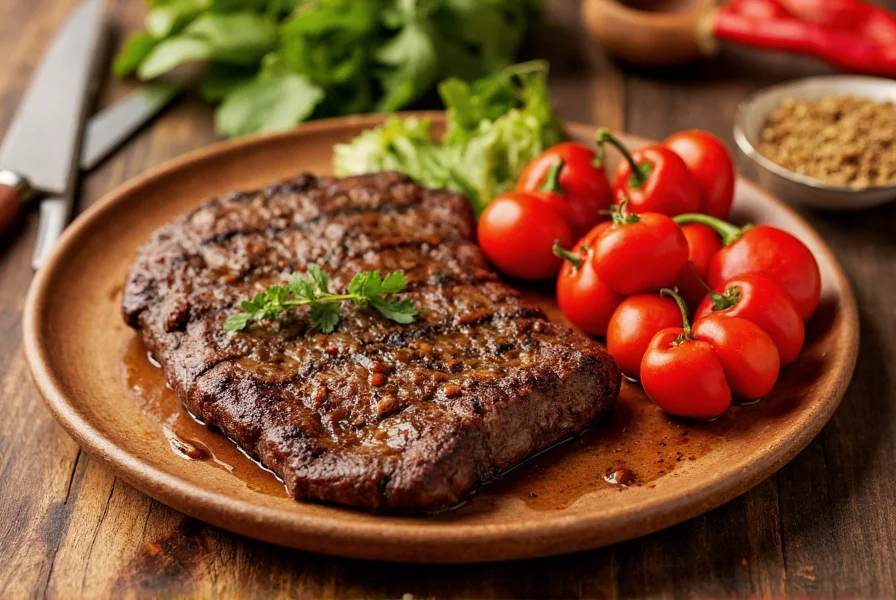
When exploring authentic Caribbean flavors, Jamaican pepper steak stands out as a beloved dish that captures the essence of island cooking. This flavorful preparation transforms simple beef cuts into a culinary experience bursting with the distinctive heat of Scotch bonnet peppers and the warm complexity of allspice—the national spice of Jamaica.
The Cultural Roots of Jamaican Pepper Steak
While pepper steak exists in various global cuisines, the Jamaican interpretation reflects the island's unique spice palette shaped by African, European, and indigenous Taino influences. Unlike Chinese-American pepper steak that relies on bell peppers and soy sauce, Jamaican pepper steak centers around Scotch bonnet peppers—the fiery fruit that delivers both intense heat and distinctive fruity notes essential to authentic Jamaican cooking.
Historically, Jamaican cooks developed this dish as a way to tenderize less expensive cuts of beef through marination in acidic ingredients like lime juice and vinegar, combined with the enzymatic action of fresh ginger. The addition of pimento (allspice)—native to Jamaica—creates the signature flavor profile that distinguishes this dish from other pepper steak variations worldwide.
Historical Evolution Timeline of Jamaican Pepper Steak
- Pre-Colonial Era (pre-1494): Indigenous Taino people utilized native peppers and open-fire cooking techniques that formed the foundation of Jamaican cuisine [CARICOM Cultural Report]
- Colonial Period (1655-1838): African culinary traditions merged with European ingredients, introducing Scotch bonnet peppers and beef while allspice became Jamaica's signature export [CARICOM Cultural Report]
- Post-Emancipation (1838-1962): Resourceful marination techniques developed to tenderize affordable beef cuts using local spices and acidic ingredients [CARICOM Cultural Report]
- Modern Era (1962-Present): Global diaspora popularized authentic preparations while maintaining core spice profiles distinct from international adaptations [CARICOM Cultural Report]
Essential Ingredients for Authentic Flavor
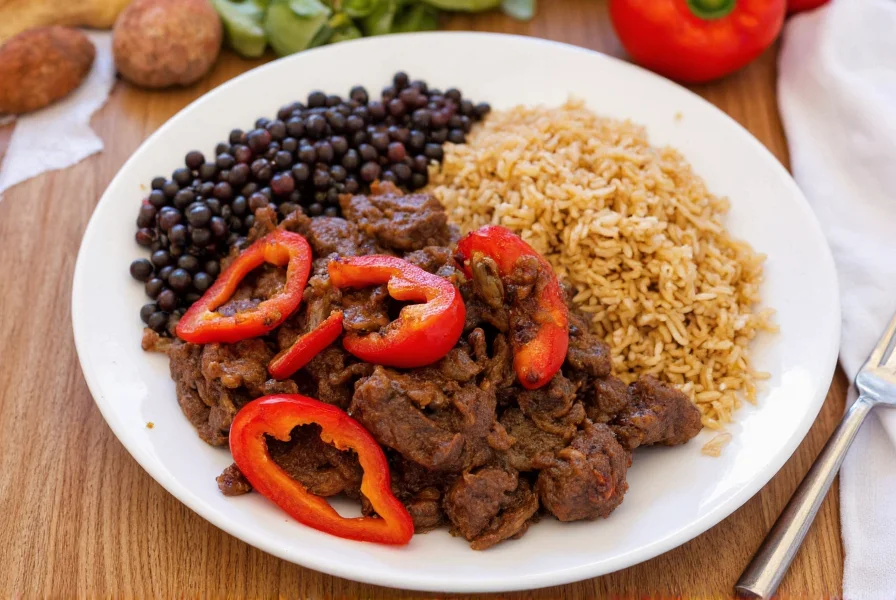
The magic of genuine Jamaican pepper steak lies in its specific ingredient combination. Here's what makes the dish uniquely Jamaican:
| Key Ingredient | Role in Jamaican Pepper Steak | Substitution Notes |
|---|---|---|
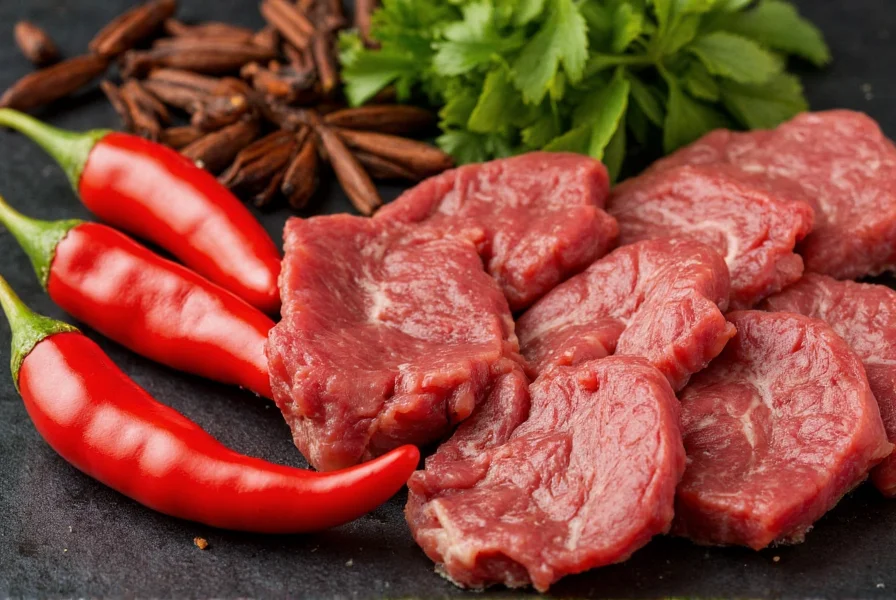
| Scotch Bonnet Peppers | Provides authentic Caribbean heat and fruity flavor | Habanero peppers offer similar heat but slightly different flavor profile |
| Allspice (Pimento) | Signature Jamaican spice with warm, complex notes | No perfect substitute—combination of cinnamon, nutmeg, and cloves can approximate |
| Fresh Thyme | Essential herb in Jamaican cooking | Dried thyme works but use ⅓ the amount |
| Fresh Ginger | Tenderizes meat and adds bright flavor | Ginger paste acceptable but fresh provides superior taste |
Traditional Jamaican Pepper Steak Recipe
Creating authentic Jamaican pepper steak requires attention to proper technique. This recipe serves four and takes approximately 45 minutes from preparation to serving.
Ingredients
- 1.5 lbs flank steak or sirloin, thinly sliced against the grain
- 2 Scotch bonnet peppers, seeded and finely chopped (adjust for heat preference)
- 1 large red bell pepper, sliced
- 1 large yellow onion, sliced
- 3 cloves garlic, minced
- 1 tbsp fresh ginger, grated
- 2 sprigs fresh thyme
- 1 tsp ground allspice
- 2 tbsp soy sauce
- 1 tbsp brown sugar
- 2 tbsp vegetable oil
- 1 lime, juiced
- Salt and black pepper to taste
Preparation Steps
- Marinate the beef: Combine sliced steak with Scotch bonnet peppers, garlic, ginger, thyme, allspice, soy sauce, brown sugar, lime juice, salt, and pepper. Refrigerate for at least 30 minutes (2 hours for best results).
- Stir-fry technique: Heat oil in a cast-iron skillet or wok over high heat. Remove beef from marinade (reserving liquid) and sear for 2-3 minutes until browned but not fully cooked.
- Add vegetables: Remove beef temporarily, add bell peppers and onions, and stir-fry for 2 minutes until slightly softened but still crisp.
- Combine and finish: Return beef to skillet with reserved marinade. Cook for 3-4 minutes until beef reaches desired doneness and sauce has thickened slightly.
- Serve immediately: Traditional accompaniments include rice and peas, fried plantains, or Jamaican festival (sweet fried dough).
Perfecting Your Jamaican Pepper Steak
Several professional techniques can elevate your Jamaican pepper steak from good to exceptional:
- Slicing against the grain: This crucial step ensures tender meat by cutting through muscle fibers. Look for the direction of the grain and slice perpendicular to it.
- Marination time: While 30 minutes works in a pinch, 2 hours allows flavors to penetrate deeply. Never marinate more than 8 hours as the acid can begin to "cook" the meat.
- High-heat cooking: Authentic Jamaican pepper steak requires high-temperature cooking to achieve proper sear without overcooking the beef.
- Don't overcrowd the pan: Cook in batches if necessary to maintain proper searing temperature.
- Rest before serving: Let the cooked steak rest for 5 minutes to allow juices to redistribute.
Regional Variations Across the Caribbean
While Jamaica claims this dish as part of its culinary heritage, neighboring islands have developed their own interpretations:
- Trinidadian version: Often includes additional curry powder and uses different cuts of beef
- Barbadian adaptation: Tends to be less spicy with more emphasis on sweet elements
- Modern fusion: Some contemporary chefs incorporate mango or pineapple for added sweetness that complements the Scotch bonnet heat
These regional differences highlight how Caribbean cuisines share foundational elements while maintaining distinctive local characteristics—a testament to the diverse culinary landscape of the islands.
Serving Suggestions for Authentic Experience
To enjoy Jamaican pepper steak as it's traditionally served in Jamaica, consider these authentic pairings:
- Rice and peas: Not actually peas but kidney beans cooked with coconut milk and thyme
- Festival: Sweet fried cornmeal dumplings that balance the dish's heat
- Fried plantains: Ripe plantains caramelized during frying provide sweet contrast
- Caribbean coleslaw: Vinegar-based rather than mayonnaise-based for lighter accompaniment
For beverages, traditional pairings include sorrel drink (hibiscus-based) or ginger beer, both offering refreshing counterpoints to the dish's spiciness.
Contextual Boundaries: Cultural and Practical Considerations
- Occasion Appropriateness: Primarily served as casual family meals or weekend dinners; rarely featured in formal Jamaican events [FAO Caribbean Food Systems]
- Heat Level Constraints: Scotch bonnet peppers (100,000-350,000 SHU) require caution for spice-sensitive individuals [University of Georgia Extension]
- Authenticity Requirements: True authenticity depends on traditional pairings (rice and peas); substitutions create fusion variants [FAO Caribbean Food Systems]
- Regional Adaptation Limits: Global modifications often compromise cultural authenticity per culinary documentation [CARICOM Cultural Report]
Troubleshooting Common Issues
Even experienced cooks encounter challenges with Jamaican pepper steak. Here's how to address frequent problems:
- Meat too tough: Ensure you're slicing against the grain and not overcooking. Flank steak requires precise timing—remove from heat just before reaching desired doneness as it will continue cooking off-heat.
- Too spicy: Remove seeds and membranes from Scotch bonnets (where most capsaicin resides). Serve with extra rice or a cooling side like cucumber salad.
- Sauce too thin: Mix 1 tsp cornstarch with 2 tbsp cold water and stir into finished dish to thicken without altering flavor.
- Flavor too one-dimensional: Balance heat with sweetness (add more brown sugar) or acidity (extra lime juice) to create complexity.




 浙公网安备
33010002000092号
浙公网安备
33010002000092号 浙B2-20120091-4