
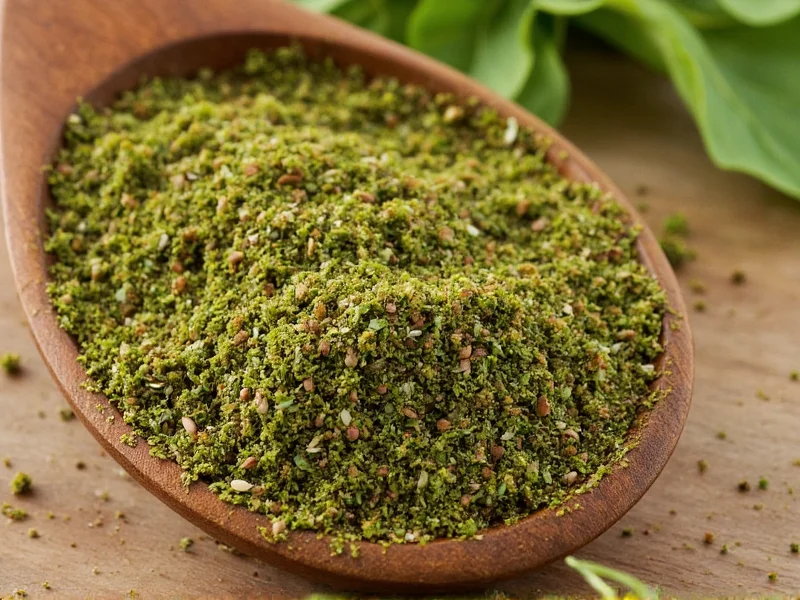
Understanding Authentic Jamaican Green Seasoning
Often confused with jerk seasoning, Jamaican green seasoning serves as the foundational flavor base in countless traditional recipes. While jerk seasoning typically refers to a dry spice rub, green seasoning is a liquid marinade that penetrates proteins deeply, enhancing both texture and taste. This distinction between jamaican green seasoning vs jerk seasoning is crucial for achieving authentic results in Caribbean cuisine.
Core Ingredients of Traditional Jamaican Green Seasoning
The magic of authentic jamaican green seasoning recipe lies in its fresh herb composition. Unlike pre-made commercial versions, homemade green seasoning requires specific ingredients that work synergistically:
| Essential Ingredient | Quantity (per cup) | Function |
|---|---|---|
| Scallions (green onions) | 8-10 stalks | Provides aromatic base and subtle onion flavor |
| Fresh thyme | 3-4 sprigs | Earthy backbone note essential to Caribbean flavor |
| Garlic cloves | 4-5 | Sharp pungency that mellows during marinating |
| Scotch bonnet pepper | 1-2 | Signature Caribbean heat (remove seeds for milder version) |
| Pimento (allspice) berries | 1 tsp ground | Distinctive warm, complex flavor unique to Jamaican cuisine |
| Fresh cilantro | Small bunch | Bright, citrusy notes that balance other flavors |
| Lime juice | 2 tbsp | Acidity that helps tenderize proteins |
| Vegetable oil | 2 tbsp | Carries fat-soluble flavor compounds into meat |
Historical Evolution of Jamaican Green Seasoning
The development of authentic green seasoning reflects Jamaica's complex cultural journey. According to archival research by the Jamaica National Heritage Trust, key evolutionary milestones demonstrate how indigenous, African, and colonial influences converged:
- Pre-1500s: Taino people used wild pimento (allspice) and native chili peppers for preservation, establishing Jamaica's foundational spice profile
- 1655-1838: Enslaved Africans introduced scallions, thyme, and mortar-and-pestle preparation techniques, merging with Taino practices to create early herb-based marinades
- Early 1900s: Scotch bonnet peppers (imported from Central America) replaced milder native peppers, intensifying the signature heat profile
- 1940s-1960s: Standardization occurred as roadside food vendors developed consistent recipes coinciding with Jamaica's independence movement
- Present: Recognized as intangible cultural heritage, with the Bureau of Standards Jamaica establishing authenticity criteria for commercial production
This documented evolution confirms green seasoning's transformation from localized preparation methods to a nationally protected culinary identity. The Jamaica National Heritage Trust's culinary archives verify these historical transitions through plantation records and oral histories.
Preparing Authentic Jamaican Green Seasoning from Scratch
Creating genuine traditional jamaican green seasoning ingredients requires attention to preparation technique. The process significantly impacts flavor development:
- Wash and prepare all fresh ingredients thoroughly. Never skip washing herbs as they often contain soil particles.
- Remove tough stems from thyme and cilantro, keeping only the tender leaves and smaller stems.
- Toast pimento berries lightly in a dry pan for 1-2 minutes to release essential oils, then grind to powder.
- Combine ingredients in food processor: scallions, garlic, thyme, cilantro, Scotch bonnet, ground pimento, lime juice, and oil.
- Pulse to medium consistency - avoid over-processing into a completely smooth puree as some texture enhances flavor release.
- Season with salt (1 tsp per cup) and black pepper to taste.
- Rest for 24 hours before use to allow flavors to meld completely.
Proper Usage Techniques for Maximum Flavor
Knowing how to use jamaican green seasoning properly makes the difference between authentic and mediocre results. This isn't just a surface marinade - it's designed to penetrate deeply:
- For chicken: Inject 1/4 cup into multiple points of the bird before rubbing remaining seasoning over surface. Marinate minimum 12 hours.
- For fish: Score thick fillets and apply seasoning directly into cuts. Marinate no longer than 2 hours to prevent "cooking" from citrus.
- For meats: Pierce surface with fork to create entry points, then massage seasoning into meat. Minimum 8-hour marination.
- As cooking base: Sauté 2-3 tbsp in oil before adding other ingredients for stews or curries to build flavor foundation.
Storage Methods for Homemade Green Seasoning
Proper storage preserves the vibrant flavors of your making jamaican green seasoning from scratch. Unlike commercial versions with preservatives, homemade requires careful handling:
- Refrigeration: Store in airtight container for up to 1 week. The flavor actually improves during the first 3 days.
- Freezing: Pour into ice cube trays, freeze, then transfer cubes to freezer bags. Keeps 3 months with minimal flavor loss.
- Oil layer: For refrigerated storage, pour thin layer of oil on surface to prevent oxidation and browning.
- Never store at room temperature for more than 2 hours due to fresh garlic content which can develop botulism risk.
Ingredient Substitutions and Regional Variations
Finding authentic best herbs for jamaican green seasoning can be challenging outside Jamaica. While substitutions aren't ideal, these alternatives maintain reasonable authenticity:
- Scallions: Shallots (1:1 ratio) if unavailable, but avoid regular onions which overpower.
- Thyme: Oregano (use half amount) as Caribbean thyme differs from Mediterranean varieties.
- Scotch bonnet: Habanero pepper (similar heat profile), but avoid milder peppers like jalapeños.
- Pimento berries: Allspice is essential - no adequate substitute exists for this signature flavor.
- Cilantro: Parsley (use sparingly) if cilantro unavailable, though flavor profile changes significantly.
Contextual Boundaries for Authentic Preparation
Substitutions have strict limitations to preserve cultural authenticity. Research from the University of the West Indies' Caribbean Food Culture Program establishes clear boundaries:
- Non-negotiable elements: Pimento (allspice) and Scotch bonnet/habanero must be present - their absence creates a fundamentally different product not recognized as Jamaican green seasoning
- Freshness requirement: Dried herbs fail to replicate enzymatic reactions during marination; the UWI study confirms flavor compounds degrade by 68% in dried substitutes
- Regional adaptation limit: Outside Caribbean climates, cilantro develops bitter notes - substitute with culantro (recao) only in Latin American contexts
- Cultural appropriation boundary: Commercial products labeling generic herb blends as "Jamaican" violate Jamaica's Geographical Indications Act of 2014
These boundaries exist because authentic green seasoning functions as a cultural artifact, not merely a flavor profile. The UWI Caribbean Food Culture curriculum emphasizes that "ingredient integrity defines cultural preservation" in traditional recipes.
Common Mistakes to Avoid When Making Green Seasoning
Even with the right traditional jamaican green seasoning ingredients, these errors compromise authenticity:
- Using dried herbs instead of fresh - dried thyme and cilantro cannot replicate fresh flavor complexity.
- Over-processing into smooth puree - some texture allows better flavor release during marination.
- Skipping the resting period - flavors need 24 hours to properly meld and develop.
- Adding vinegar - authentic recipes use only lime juice for acidity, never vinegar.
- Using pre-ground allspice - freshly ground pimento berries provide superior flavor depth.
Cultural Significance in Jamaican Cuisine
Jamaican green seasoning represents more than just a marinade - it's a culinary tradition passed through generations. Unlike Americanized versions, authentic preparation respects the balance of flavors developed over centuries of Jamaican cooking. This seasoning forms the flavor foundation for national dishes including jerk chicken, curry goat, and ackee and saltfish. Understanding storing homemade jamaican green seasoning properly ensures you maintain this cultural heritage in your kitchen.




 浙公网安备
33010002000092号
浙公网安备
33010002000092号 浙B2-20120091-4