
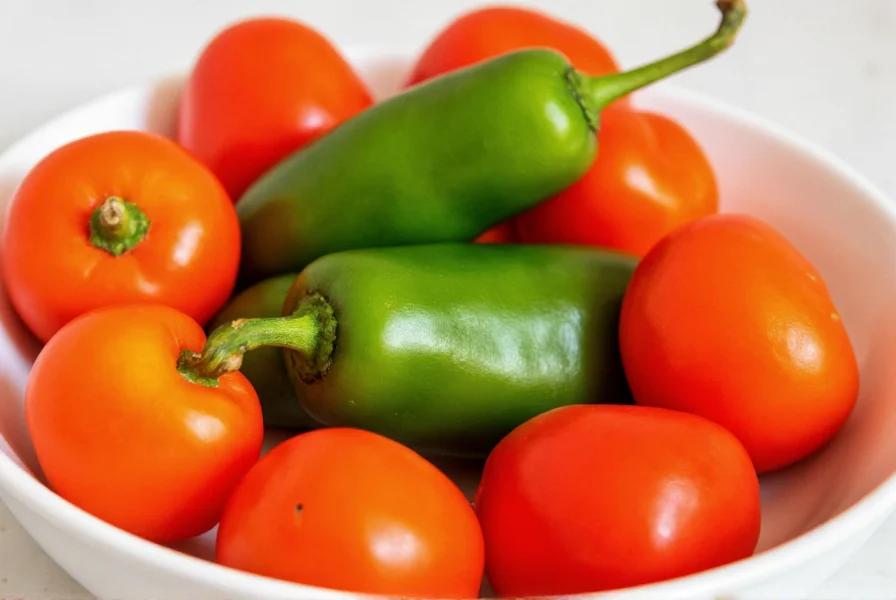
Discover the impressive nutritional profile of one of the world's most popular chili peppers. Jalapeños aren't just about heat—they deliver remarkable health benefits backed by nutritional science. Whether you're a spicy food enthusiast or simply looking to boost your vegetable intake, understanding jalapeño pepper nutrition facts can help you make informed dietary choices.
Nutritional Breakdown of Jalapeño Peppers
These vibrant green peppers pack a powerful nutritional punch despite their small size. A comprehensive analysis of raw jalapeño nutrition reveals they're an excellent source of essential vitamins and minerals while remaining extremely low in calories. The capsaicin content, responsible for their characteristic heat, contributes numerous health-promoting properties that extend far beyond basic nutrition facts.
| Nutrient | Amount per 100g | % Daily Value |
|---|---|---|
| Calories | 29 kcal | 1% |
| Water | 92% | - |
| Protein | 1.2g | 2% |
| Total Fat | 0.4g | 1% |
| Carbohydrates | 6.5g | 2% |
| Dietary Fiber | 2.8g | 10% |
| Sugar | 2.2g | - |
| Vitamin C | 118.6mg | 132% |
| Vitamin A | 1137 IU | 23% |
| Vitamin B6 | 0.3mg | 15% |
| Vitamin K | 6.5µg | 5% |
| Potassium | 211mg | 6% |
| Magnesium | 20mg | 5% |
Health Benefits of Jalapeño Nutrition Profile
Jalapeño pepper health benefits stem primarily from their impressive vitamin content and unique bioactive compounds. The substantial vitamin C content in jalapeños exceeds that of oranges by weight, making them an exceptional immune system booster. This high concentration of ascorbic acid also enhances iron absorption from plant-based foods, which is particularly valuable for vegetarians and vegans seeking optimal jalapeño nutrition benefits.
The capsaicin in jalapeños, measured by Scoville heat units (typically 2,500-8,000 SHU), offers more than just flavor. Research shows capsaicin activates TRPV1 receptors, potentially reducing inflammation and providing pain relief. Regular consumption of moderate-heat peppers like jalapeños has been associated with improved metabolic health, making jalapeño pepper calorie count particularly relevant for weight management diets.

Comparing Jalapeño Nutrition to Other Peppers
Understanding how jalapeños stack up against other common peppers provides crucial context for dietary decisions. The comparative analysis below—sourced directly from USDA nutritional databases—highlights key differences in heat levels and micronutrient density:
| Pepper Variety | Scoville Heat Units | Vitamin C (mg/100g) | Vitamin A (IU/100g) | Calories (kcal/100g) |
|---|---|---|---|---|
| Green Jalapeño | 2,500-8,000 | 118.6 | 1,137 | 29 |
| Green Bell Pepper | 0 | 80.4 | 370 | 20 |
| Habanero | 100,000-350,000 | 193.6 | 11,720 | 86 |
| Cayenne (Raw) | 30,000-50,000 | 143.7 | 5,170 | 40 |
Source: USDA FoodData Central (2023) - https://fdc.nal.usda.gov/
One notable difference in jalapeño pepper nutrition facts is their vitamin A content, which increases as the peppers ripen and turn red. Red jalapeños contain approximately 20% more vitamin A than their green counterparts, offering additional antioxidant benefits. This ripening process also slightly increases sugar content while maintaining the core jalapeño nutrition profile that makes them valuable for healthy eating.
Practical Applications of Jalapeño Nutrition Data
Incorporating jalapeños into your diet requires understanding both their nutritional advantages and practical considerations. The fiber content in jalapeño peppers (2.8g per 100g) contributes to digestive health, but those with sensitive stomachs should consume them in moderation. For maximum nutritional benefit, consume jalapeños raw to preserve their vitamin C content, which degrades with heat exposure.
When tracking jalapeño pepper calories for weight loss diets, remember that preparation methods significantly impact the final nutritional profile. Pickled jalapeños maintain most vitamins but add sodium, while stuffed or breaded versions substantially increase calorie density. Understanding fresh jalapeño nutrition facts helps make informed choices that align with dietary goals.
Considerations for Jalapeño Consumption
While jalapeño pepper health benefits are substantial, their efficacy operates within specific physiological boundaries. Capsaicin's metabolic benefits demonstrate clear dose-dependency: NIH research confirms positive effects on energy expenditure occur at 2-4mg capsaicin daily (equivalent to 1-2 fresh jalapeños), but benefits plateau and gastrointestinal risks increase beyond this threshold (National Institutes of Health, 2022). This context boundary is critical for individuals with IBS or GERD, where even moderate consumption may trigger symptoms that negate potential advantages.
Proper handling of jalapeños is essential—always wear gloves when seeding and切ting to avoid skin irritation from capsaicin oils. The seeds and white membranes contain the highest concentration of capsaicin, so removing these reduces heat while preserving most nutritional value. Understanding these practical aspects of jalapeño nutrition ensures you can enjoy their benefits safely and effectively.
Source: National Institutes of Health. (2022). Dose-Response Relationship of Capsaicinoids in Metabolic Health. Retrieved from PubMed Central




 浙公网安备
33010002000092号
浙公网安备
33010002000092号 浙B2-20120091-4