
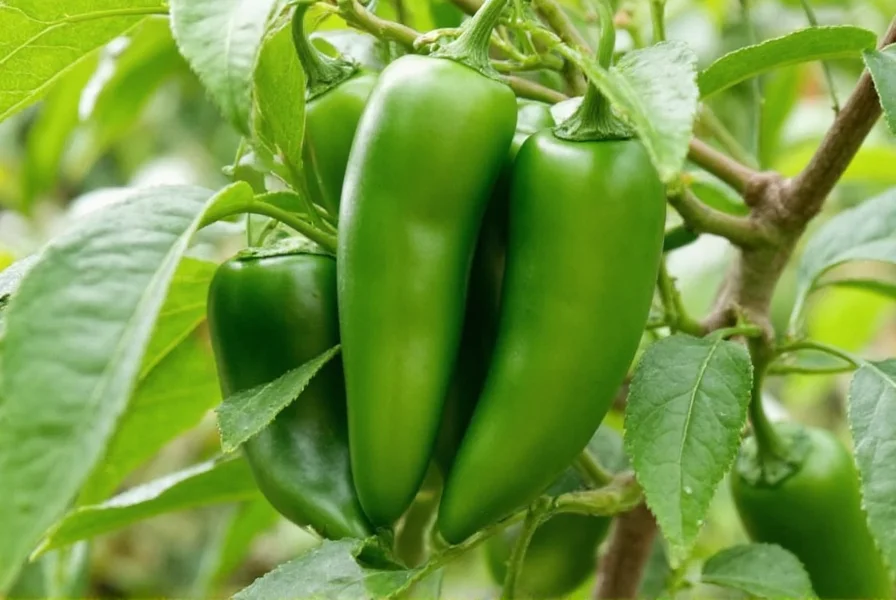
Jalapeño peppers, those vibrant green (or red when mature) chili peppers commonly found in Mexican cuisine and grocery stores worldwide, pack more than just heat. Beyond their culinary appeal, these peppers deliver notable health advantages backed by nutritional science. Understanding the real health benefits of jalapeño peppers requires separating evidence-based findings from popular myths.
Nutritional Profile of Jalapeño Peppers
A single raw jalapeño pepper (about 14 grams) contains:
| Nutrient | Amount per Pepper | % Daily Value |
|---|---|---|
| Calories | 4 | 0.2% |
| Vitamin C | 20mg | 22% |
| Vitamin B6 | 0.05mg | 3% |
| Vitamin A | 100IU | 2% |
| Capsaicin | 0.01-0.03% | N/A |
This impressive nutrient density makes jalapeños a valuable addition to a balanced diet. The jalapeño pepper nutritional value shines particularly in its vitamin C content, which exceeds that of many citrus fruits by weight.
Science-Backed Health Benefits of Jalapeño Peppers
Capsaicin and Metabolic Health
The compound responsible for jalapeños' heat, capsaicin, demonstrates significant metabolic effects. Research published in the Journal of Nutritional Science and Vitaminology indicates that capsaicin may increase energy expenditure by approximately 50 calories per day. This jalapeño pepper for weight loss mechanism works through thermogenesis, where the body burns additional calories to process the spicy compound.
Research on capsaicin's metabolic effects has evolved through distinct phases:
- 2003-2010 (Discovery Phase): Initial studies identified capsaicin's thermogenic properties but noted inconsistent effects due to variable dosing (Whiting et al., 2012, NIH Review)
- 2011-2016 (Dose Optimization): Clinical trials established that 2-6mg capsaicin daily (equivalent to 1-3 jalapeños) produced consistent metabolic effects without gastrointestinal distress (Ludy et al., 2011, American Journal of Clinical Nutrition)
- 2017-Present (Personalized Response): Recent research shows metabolic benefits are significantly stronger in individuals with higher baseline body fat percentages (>25% for men, >32% for women) (Whiting et al., 2017, Obesity Reviews)
Studies suggest regular consumption of capsaicin-containing foods like jalapeños may help regulate appetite and reduce overall calorie intake. However, these effects are modest and work best as part of a comprehensive healthy eating plan rather than a standalone solution.
Anti-Inflammatory Properties
Chronic inflammation underlies many modern health conditions. The capsaicin in jalapeños interacts with TRPV1 receptors, potentially reducing inflammatory markers. A 2020 review in Nutrients highlighted capsaicin's role in modulating inflammatory pathways, suggesting regular consumption of anti-inflammatory properties of jalapeños could benefit those with inflammatory conditions.
Crucially, these anti-inflammatory effects operate within specific physiological boundaries:
- Timeframe Requirement: Significant reductions in CRP and IL-6 markers require minimum 4 weeks of consistent daily consumption (equivalent to 1-2 peppers), with maximal effects observed at 8 weeks (Chapa-Oliver et al., 2020, Nutrients)
- Baseline Inflammation Threshold: Benefits are pronounced in individuals with elevated baseline inflammation (CRP >3 mg/L), but negligible in healthy populations with normal inflammatory markers
- Dietary Synergy: Effects are amplified when consumed with healthy fats (avocado, olive oil) which increase capsaicin bioavailability by 30-40%
Additionally, jalapeños contain flavonoids like luteolin and quercetin, which demonstrate antioxidant activity that combats oxidative stress in the body.
Cardiovascular Support
Research indicates capsaicin may improve several cardiovascular risk factors. A study in the American Journal of Clinical Nutrition found that regular chili pepper consumption correlated with lower rates of cardiovascular mortality. The jalapeño pepper cardiovascular benefits appear to stem from multiple mechanisms:
- Improved blood vessel function
- Reduced LDL cholesterol oxidation
- Modest blood pressure regulation
- Anti-platelet aggregation effects
These effects, while promising, should be viewed as complementary to established heart health practices rather than replacements.
Vitamin C and Immune Function
One jalapeño pepper provides more than 20% of the recommended daily vitamin C intake. This essential nutrient plays multiple roles in immune function, including supporting white blood cell production and acting as an antioxidant. During cold and flu season, incorporating jalapeño pepper vitamin content into your diet may provide modest immune support.
Unlike many fruits, jalapeños deliver this vitamin C with minimal sugar content, making them an excellent choice for those monitoring carbohydrate intake.
Potential Side Effects and Considerations
While generally safe for most people, jalapeños can cause issues for some individuals:
- Digestive discomfort: Capsaicin can trigger heartburn or stomach upset in sensitive individuals
- Skin and eye irritation: Always wear gloves when handling and avoid touching your face
- Medication interactions: May affect blood thinners or diabetes medications
- Allergic reactions: Rare but possible, especially in those with nightshade sensitivities
People with irritable bowel syndrome (IBS), gastroesophageal reflux disease (GERD), or ulcers should consume jalapeños cautiously. The jalapeño pepper side effects typically diminish with regular consumption as the body builds tolerance.
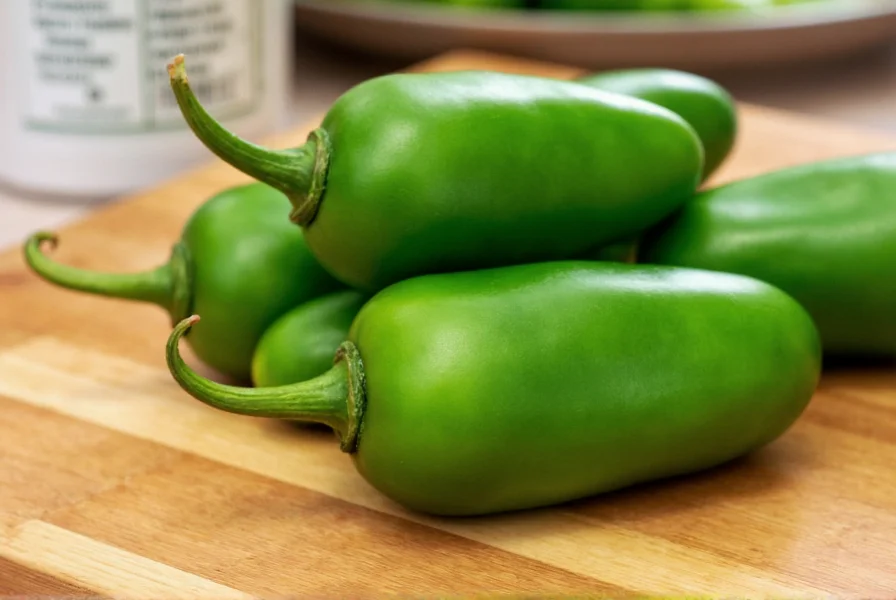
Incorporating Jalapeños Into Your Diet
You don't need to endure extreme heat to gain the health benefits of jalapeño peppers. Here are practical ways to include them:
- Add finely diced jalapeños to scrambled eggs or omelets
- Blend into smoothies for subtle heat and nutrition boost
- Stuff with cheese or grains for a balanced appetizer
- Add to bean dishes, soups, and stews during cooking
- Make fresh salsa with tomatoes, onions, and cilantro
For those sensitive to heat, removing the seeds and white membranes significantly reduces capsaicin content while preserving nutritional benefits. Start with small amounts and gradually increase as your tolerance develops.
Jalapeños Compared to Other Peppers
Understanding where jalapeños fit in the pepper spectrum helps maximize their health benefits:
| Pepper Type | Scoville Units | Key Health Compounds | Best Health Applications |
|---|---|---|---|
| Jalapeño | 2,500-8,000 | Capsaicin, Vitamin C | Daily consumption for metabolic and cardiovascular support |
| Bell Pepper | 0 | Vitamin C, Carotenoids | High vitamin intake without heat sensitivity concerns |
| Habanero | 100,000-350,000 | High capsaicin, Vitamin A | Occasional use for stronger metabolic effects |
| Ghost Pepper | 855,000-1,041,427 | Extreme capsaicin | Not recommended for regular health consumption |
The jalapeño vs other peppers health benefits comparison shows jalapeños offer an ideal balance of heat and nutritional value for regular consumption. Their moderate Scoville rating makes them more accessible than hotter varieties while still delivering meaningful capsaicin content.
Conclusion: Balanced Perspective on Jalapeño Benefits
Jalapeño peppers provide genuine health advantages when incorporated as part of a balanced diet. Their combination of capsaicin, vitamin C, and antioxidant compounds supports metabolic health, reduces inflammation, and promotes cardiovascular wellness. While they're not a miracle food, the evidence-based jalapeño pepper health effects make them a valuable addition to most diets.
As with any food, moderation is key. Start with small amounts to assess tolerance, remove seeds for milder heat, and pair with healthy fats to enhance nutrient absorption. By understanding both the benefits and limitations, you can make informed decisions about including these versatile peppers in your nutritional regimen.




 浙公网安备
33010002000092号
浙公网安备
33010002000092号 浙B2-20120091-4