
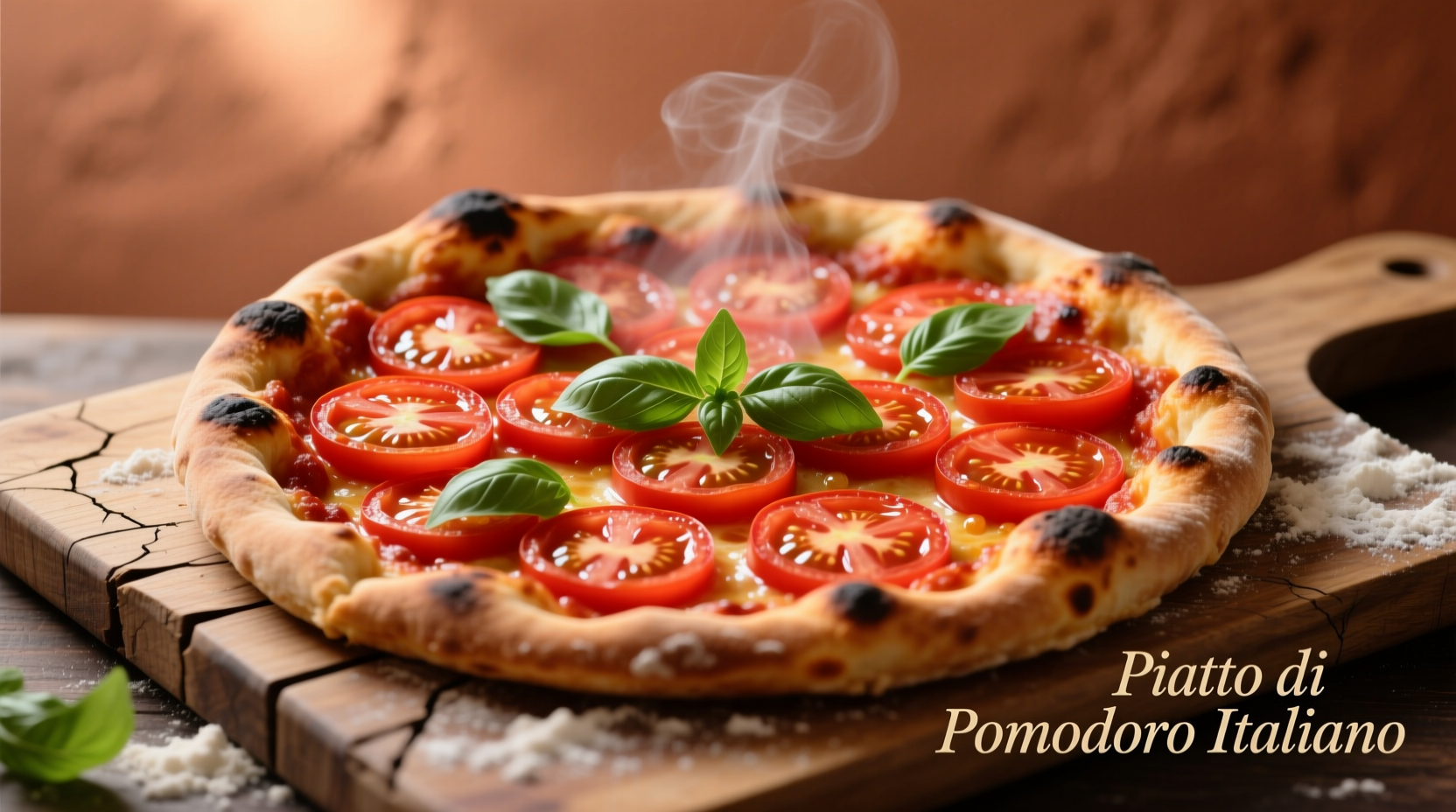
Italian tomato pie—distinct from traditional pizza—is a simple, rustic Italian-American specialty featuring a thick, focaccia-like crust topped generously with uncooked tomatoes, cheese, and seasonings, then baked until golden. Originating in Philadelphia's Italian bakeries in the early 20th century, it traditionally uses provolone or mozzarella applied after baking, creating a unique texture and flavor profile that sets it apart from standard pizza.
Discover the authentic roots and preparation methods of this beloved regional specialty that has been delighting taste buds for over a century. Whether you're a culinary enthusiast or simply curious about this distinctive dish, you'll gain practical knowledge to identify, appreciate, and recreate genuine Italian tomato pie at home.
The Evolution of Italian Tomato Pie: From Italian Bakeries to Modern Tables
Italian tomato pie emerged not in Italy, but within Italian immigrant communities in the United States, particularly Philadelphia's South Philadelphia neighborhood. Unlike Neapolitan pizza with its thin crust and fresh mozzarella, this specialty developed in Italian bakeries where bread was the primary product.
During the early 1900s, Italian bakers would prepare large rectangular sheets of dough similar to focaccia, topping them with tomatoes, cheese, and seasonings before baking. This practical approach allowed them to utilize their existing bread-making equipment while creating an affordable, satisfying meal for working-class families.
| Era | Development | Key Characteristics |
|---|---|---|
| 1900-1930 | Origin in Philadelphia bakeries | Simple rectangular sheets, basic tomato topping, cheese applied after baking |
| 1930-1960 | Spread to other Northeast cities | Regional variations emerge, different cheese preferences develop |
| 1960-1990 | Commercialization begins | Appears on pizzeria menus, some adaptations for broader appeal |
| 1990-Present | Recognition as regional specialty | Preservation efforts, artisanal bakeries maintaining traditional methods |
What Truly Defines Italian Tomato Pie
Understanding the authentic characteristics of Italian tomato pie helps distinguish it from similar dishes. Many people mistakenly assume it's simply another name for pizza, but key differences exist that define this specialty:
- Crust texture: Thicker, bread-like crust similar to focaccia rather than thin pizza dough
- Cheese application: Traditionally added after baking (particularly provolone), not before
- Shape: Typically rectangular or square, baked in sheet pans rather than round
- Tomato preparation: Often uses uncooked crushed tomatoes rather than cooked sauce
- Seasoning approach: Simple seasoning with oregano, garlic, and olive oil
These distinctions matter because they affect the final texture and flavor profile. The post-baking cheese application creates a distinctive texture where the cheese melts into the hot tomatoes without becoming rubbery—a crucial element that separates authentic Italian tomato pie from standard pizza.
Regional Variations Across the United States
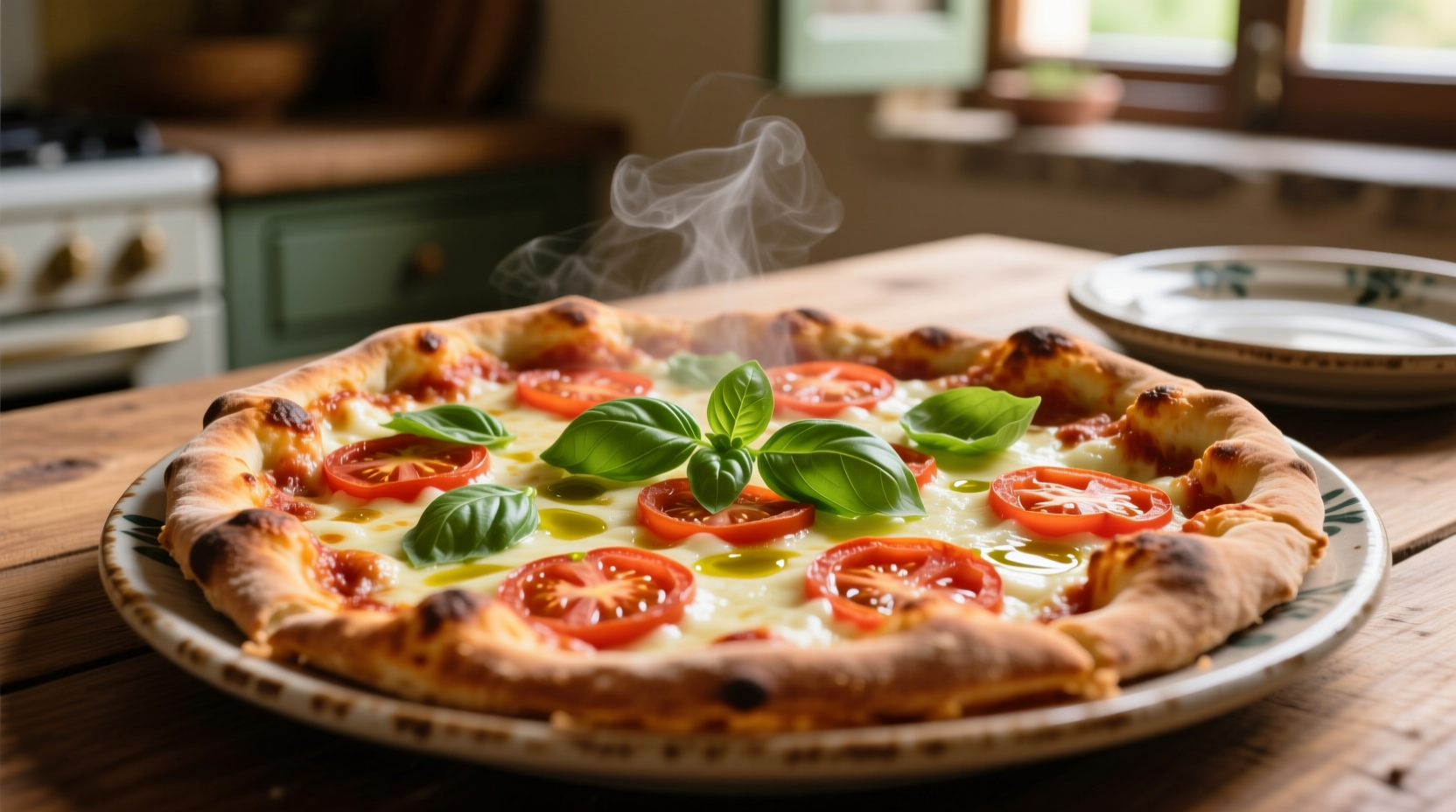
While Philadelphia remains the epicenter of authentic Italian tomato pie, regional variations have developed across the United States:
- Philadelphia style: The original version featuring rectangular shape, thick crust, and provolone cheese applied after baking
- New York interpretation: Often incorporates more sauce and uses mozzarella before baking
- Chicago adaptation: Sometimes features a deeper pan and additional toppings
- California version: May include gourmet ingredients like fresh basil or specialty tomatoes
For those seeking the most authentic experience, Philadelphia bakeries like Sarcone's Bakery (established 1932) and Isgro Pastries continue the tradition using methods passed down through generations. These establishments maintain the original preparation techniques that define true Italian tomato pie.
Creating Authentic Italian Tomato Pie at Home
Recreating this specialty at home requires attention to specific details that distinguish it from regular pizza. Here's a practical guide to making authentic Italian tomato pie:
Essential Ingredients
- High-quality bread flour (12-13% protein content)
- Fresh San Marzano tomatoes (preferably DOP certified)
- Extra virgin olive oil (Italian origin preferred)
- Provolone cheese (sharp provolone preferred for traditional version)
- Fresh oregano or dried oregano (not basil as primary herb)
- Sea salt and freshly ground black pepper
Step-by-Step Preparation
- Prepare the dough: Mix 500g bread flour, 325ml warm water, 7g active dry yeast, 10g salt, and 15ml olive oil. Knead for 10 minutes until smooth and elastic.
- First rise: Place in oiled bowl, cover, and let rise at room temperature for 1.5-2 hours until doubled.
- Shape the crust: Press dough into a well-oiled 13x18 inch sheet pan, creating dimples with your fingertips.
- Apply tomatoes: Spread 2 cups of crushed San Marzano tomatoes evenly over the dough, leaving a small border.
- Season: Drizzle with 3 tablespoons olive oil and sprinkle with oregano, salt, and pepper.
- Bake: Bake at 425°F (220°C) for 20-25 minutes until golden brown.
- Add cheese: Immediately after baking, sprinkle generously with shredded provolone.
- Rest: Allow to rest for 5-10 minutes before slicing into squares.
Avoiding Common Preparation Mistakes
Many home cooks unintentionally create pizza rather than authentic Italian tomato pie. Watch for these common errors:
- Using pizza sauce instead of fresh tomatoes: Authentic versions use uncooked crushed tomatoes, not pre-cooked sauce
- Adding cheese before baking: Traditional preparation applies cheese after baking
- Using the wrong cheese: Provolone is traditional, not mozzarella as primary cheese
- Overloading toppings: Authentic versions are minimalist—just tomatoes, cheese, and seasonings
- Using thin crust: The bread-like thickness is essential to the texture
For the most authentic experience, resist the temptation to add additional toppings. The beauty of Italian tomato pie lies in its simplicity and the quality of its few ingredients.
Serving and Enjoying Italian Tomato Pie
Unlike pizza, which is often served hot from the oven, Italian tomato pie is traditionally enjoyed slightly cooled. This allows the flavors to meld and the texture to set properly. Serve at room temperature for the most authentic experience.
Pair with a simple green salad and a light Italian red wine like Chianti for a complete meal. In Philadelphia bakeries, it's commonly sold by the slice as a quick lunch option or snack, often wrapped in paper for takeaway.
Preserving the Tradition
As food trends come and go, authentic Italian tomato pie remains a cherished specialty in Italian-American communities. Organizations like the Italian Historical Society of America document and preserve the culinary traditions of Italian immigrants, ensuring that dishes like tomato pie maintain their cultural significance.
When enjoying or preparing Italian tomato pie, remember you're participating in a century-old tradition that represents the ingenuity of Italian immigrants who adapted their culinary heritage to new circumstances while maintaining their cultural identity.




 浙公网安备
33010002000092号
浙公网安备
33010002000092号 浙B2-20120091-4