
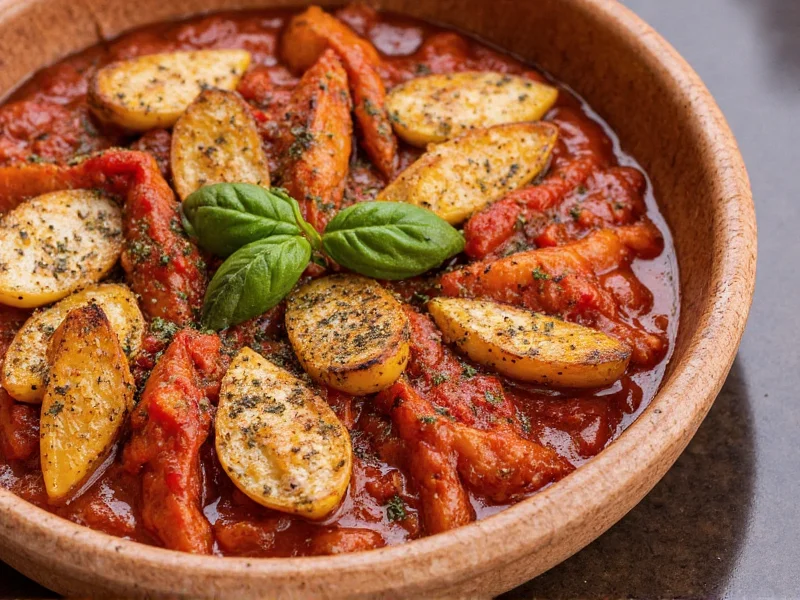
Italian seasoning transforms simple ingredients into restaurant-quality dishes with minimal effort. This classic herb blend brings authentic Mediterranean flavors to your kitchen without requiring specialty ingredients or advanced techniques. Understanding how to properly use and customize Italian seasoning elevates your cooking from ordinary to exceptional.
What Exactly Is Italian Seasoning?
Italian seasoning isn't a single herb but a harmonious blend of dried Mediterranean herbs. While commercial blends vary, the core components typically include:
- Basil - sweet, slightly peppery notes
- Oregano - earthy, robust flavor
- Rosemary - pine-like, aromatic intensity
- Thyme - subtle lemon undertones
- Marjoram - milder cousin of oregano
Some variations may include garlic powder, onion powder, or red pepper flakes. The beauty of Italian seasoning lies in its versatility across countless dishes while maintaining authentic Italian culinary character.
The Historical Journey of Italian Seasoning
While the herbs in Italian seasoning have been used in Mediterranean cooking for centuries, the pre-mixed dried blend as we know it is a distinctly American innovation. Historical food records indicate that commercial Italian seasoning blends emerged in the United States during the 1950s-1960s, coinciding with the rise of Italian-American cuisine and the popularity of dishes like spaghetti and meatballs.
Traditional Italian cooking, however, rarely uses pre-mixed dried herb blends. Regional Italian cuisines favor fresh herbs harvested at peak season, with combinations varying significantly by area. For instance, northern Italian dishes often feature parsley and sage, while southern regions emphasize oregano and basil. The standardized "Italian seasoning" blend was created for convenience in American home kitchens, not as an authentic representation of Italy's diverse culinary traditions.
According to food historian research documented by the Food Timeline project, this commercialization reflects broader post-war trends in American food culture where ethnic cuisines were adapted for mass-market appeal through simplified spice blends. Historical records show that oregano—the signature herb in many commercial blends—wasn't even widely used in Italy until the 20th century, having been introduced from Mexico.
Perfect Homemade Italian Seasoning Recipe
Creating your own blend ensures maximum freshness and lets you customize flavors to your preference. Commercial blends often contain fillers or lose potency during shipping.
| Ingredient | Amount | Flavor Contribution |
|---|---|---|
| Dried basil | 2 tablespoons | Sweet foundation |
| Dried oregano | 2 tablespoons | Earthy backbone |
| Dried rosemary | 1 tablespoon | Aromatic depth |
| Dried thyme | 1 tablespoon | Subtle complexity |
| Dried marjoram | 1 tablespoon | Delicate sweetness |
| Garlic powder | 1 teaspoon | Savory enhancement |
Instructions: Combine all ingredients in a small bowl. Store in an airtight container away from light and heat. Properly stored, homemade Italian seasoning maintains peak flavor for 6-8 months - significantly longer than store-bought versions.
Top 5 Italian Seasoning Recipes for Everyday Cooking
These practical applications demonstrate why Italian seasoning deserves a permanent place in your spice collection. Each recipe highlights different aspects of the blend's versatility.
1. Italian Seasoned Chicken Breasts
This simple preparation yields restaurant-quality results. Rub 2 tablespoons of homemade Italian seasoning blend with 2 tablespoons olive oil over 4 boneless chicken breasts. Season with salt and pepper. Grill or pan-sear over medium heat for 6-7 minutes per side until internal temperature reaches 165°F. Rest for 5 minutes before serving. The herb blend creates a flavorful crust while keeping the chicken moist.
2. Italian Seasoning Roasted Vegetables
Toss 4 cups mixed vegetables (zucchini, bell peppers, red onions, cherry tomatoes) with 3 tablespoons olive oil, 1½ tablespoons Italian seasoning, salt, and pepper. Spread evenly on a baking sheet. Roast at 425°F for 25-30 minutes until tender and caramelized. The high heat activates the essential oils in the herbs, creating complex flavor compounds that enhance the natural sweetness of the vegetables.
3. Quick Italian Seasoning Pasta Sauce
Sauté 2 minced garlic cloves in 2 tablespoons olive oil for 1 minute. Add one 28-ounce can crushed tomatoes, 2 tablespoons Italian seasoning, and a pinch of red pepper flakes. Simmer uncovered for 20 minutes. Stir in fresh basil before serving. This simple sauce demonstrates how Italian seasoning provides depth that basic tomato sauce often lacks, creating a more complex flavor profile without hours of simmering.
4. Italian Seasoned Focaccia Bread
After the second rise of your favorite focaccia dough, dimple the surface with your fingers. Drizzle generously with olive oil, then sprinkle with 1½ tablespoons Italian seasoning and flaky sea salt. Bake according to your recipe's instructions. The herb blend infuses the bread with aromatic flavors that complement the olive oil perfectly.
5. Italian Seasoning Vinaigrette
Whisk together ¼ cup red wine vinegar, 1 teaspoon Dijon mustard, 1 minced garlic clove, 1½ tablespoons Italian seasoning, salt, and pepper. Slowly drizzle in ¾ cup extra virgin olive oil while whisking continuously. This dressing showcases how Italian seasoning works beautifully in raw applications, providing herbaceous notes without the bitterness sometimes found in fresh herbs.
Pro Tips for Using Italian Seasoning Effectively
Maximize flavor impact with these professional techniques:
- Add early for cooked dishes: Incorporate Italian seasoning at the beginning of cooking for sauces, soups, and braises to allow flavors to meld
- Add late for fresh applications: For dressings or finishing touches, add seasoning later to preserve brighter herbal notes
- Bloom in oil: Sauté the blend in olive oil for 30 seconds before adding other ingredients to intensify flavors
- Adjust ratios: Increase oregano for pizza dishes, rosemary for roasted meats, or basil for tomato-based recipes
- Rehydrate dried herbs: For cold applications like dressings, let the seasoning sit in the liquid for 15 minutes before use
When Italian Seasoning Isn't the Right Choice
Despite its versatility, Italian seasoning has important limitations that home cooks should understand to achieve authentic results:
- Traditional regional Italian dishes: Authentic recipes from specific Italian regions rarely call for pre-mixed blends. As explained by culinary experts at The Culinary Institute of America, regional Italian cooking relies on fresh, locally-sourced herbs in combinations unique to each area. For example, Ligurian pesto requires fresh basil, not dried seasoning.
- Fresh herb-dependent preparations: Dishes like caprese salad, fresh tomato bruschetta, or seafood preparations lose authenticity when using dried blends instead of fresh herbs.
- Precision flavor requirements: When a single herb should dominate (like rosemary in roasted potatoes), the blended nature of Italian seasoning may dilute the intended flavor profile.
Understanding these boundaries helps cooks decide when to reach for the convenience of a pre-mixed blend versus when to use fresh, individual herbs for authentic results.
Smart Substitutions When You're Out of Italian Seasoning
Don't let an empty spice jar stop your cooking. These substitutions maintain similar flavor profiles:
- For 1 tablespoon Italian seasoning: Combine ½ teaspoon each dried basil, oregano, and thyme
- Mediterranean alternative: Use herbes de Provence with a pinch of extra oregano
- Quick fix: Double the amount of oregano in recipes (works best for tomato-based dishes)
- Fresh herb option: Substitute 3 times the amount of fresh herbs (e.g., 1 tablespoon dried = 3 tablespoons fresh)
Remember that substitutions won't replicate the exact flavor balance but will provide similar Mediterranean character.
Storage Secrets for Maximum Flavor Longevity
Preserve your Italian seasoning's potency with these storage techniques:
- Use dark glass or metal containers instead of clear plastic
- Store away from heat sources (not above your stove)
- Keep containers tightly sealed when not in use
- Avoid storing near strong-smelling foods that can permeate the herbs
- Label containers with creation date - most blends peak at 6 months
Test freshness by rubbing a small amount between your fingers and smelling. If the aroma is weak, it's time to make a new batch.
Conclusion
Mastering Italian seasoning recipes transforms everyday cooking with authentic Mediterranean flavors. Whether you're preparing quick weeknight meals or special occasion dishes, this versatile herb blend adds depth and complexity with minimal effort. The homemade version surpasses store-bought alternatives in both flavor and freshness, while the included recipes demonstrate practical applications across multiple cooking techniques. By understanding how to properly use, store, and customize Italian seasoning—including recognizing its historical context and culinary boundaries—you'll consistently create more flavorful, restaurant-quality dishes at home.
Frequently Asked Questions
Can I use Italian seasoning instead of individual herbs?
Yes, Italian seasoning works as a convenient substitute for individual dried herbs in most cooked dishes. Use 1½ teaspoons of Italian seasoning for every ½ teaspoon of a single dried herb called for in a recipe. For dishes where one herb should dominate (like rosemary chicken), adjust the ratio by adding extra of that specific herb to the blend.
How does Italian seasoning differ from herbes de Provence?
While both are Mediterranean herb blends, Italian seasoning typically contains basil, oregano, rosemary, thyme, and marjoram, while herbes de Provence features lavender, thyme, rosemary, oregano, and sometimes savory. Italian seasoning has a more robust, tomato-friendly profile, while herbes de Provence offers floral notes better suited for roasted meats and vegetables. They're not direct substitutes but can work in similar applications with minor adjustments.
Why does my Italian seasoning taste bitter sometimes?
Bitterness usually occurs when dried herbs are added too late in the cooking process or burned during sautéing. To prevent this, add Italian seasoning early when making sauces or soups to allow flavors to mellow, or bloom the herbs in olive oil over low heat for 30 seconds before adding other ingredients. Avoid direct high-heat exposure which can cause the essential oils to become bitter.
Can I make Italian seasoning without marjoram?
Absolutely. Marjoram adds a subtle sweetness but isn't essential. Omit it completely or replace it with an equal amount of oregano for a slightly more robust flavor. Many traditional Italian cooking purists actually prefer blends without marjoram, considering it less authentic to classic Italian regional cuisines. The blend will still deliver excellent results with just basil, oregano, rosemary, and thyme.




 浙公网安备
33010002000092号
浙公网安备
33010002000092号 浙B2-20120091-4