
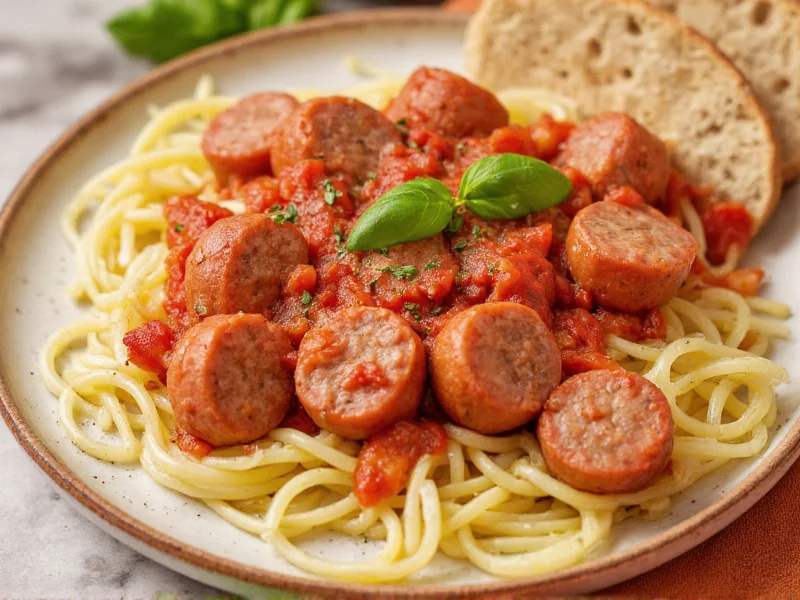
Italian sausage with pasta represents one of the most beloved weeknight dinner solutions across American households. This versatile dish bridges authentic Italian culinary traditions with American comfort food preferences, creating a perfect balance of protein, carbohydrates, and rich flavors. The magic happens when quality Italian sausage—whether sweet fennel-forward or spicy Calabrian pepper-infused—melds with perfectly cooked pasta in a savory tomato-based sauce.
Historical Evolution of Italian Sausage Pasta
Italian sausage pasta emerged through distinct phases of Italian-American culinary adaptation, reflecting broader immigration patterns and ingredient availability:
- 1880-1920: Southern Italian immigrants established neighborhood butcher shops in urban centers like New York and Chicago, adapting regional sausage recipes using American pork and available spices like fennel. (Tenement Museum: Immigrant Foodways)
- 1930-1950: Economic constraints during the Depression and WWII led to resourceful combinations of affordable ingredients—pasta, tomato sauce, and sausage—creating the foundation of today's standardized recipe. (National Italian American Foundation: Culinary History)
- 1960s-Present: Commercial production scaled nationwide, with grocery chains introducing pre-packaged Italian sausage. Modern variations now accommodate diverse dietary needs while preserving core techniques.
Understanding Italian Sausage Varieties for Pasta
Not all Italian sausages perform equally in pasta dishes. The two primary varieties you'll encounter:
| Type | Flavor Profile | Best Pasta Pairings | Cooking Tip |
|---|---|---|---|
| Sweet Italian | Mild, fennel-forward, garlic notes | Penne, rigatoni, fusilli | Brown thoroughly to develop caramelized crust |
| Hot Italian | Spicy with red pepper flakes, garlic | Mostaccioli, ziti, spaghetti | Add dairy like ricotta to balance heat |
When selecting sausage for your pasta dish, look for varieties with at least 70% meat content and minimal fillers. High-quality Italian sausage should list pork as the primary ingredient, followed by spices like fennel seed, black pepper, and garlic. Avoid products with excessive sodium or artificial preservatives that can overpower the delicate balance of flavors in your dish.
Essential Components of Perfect Italian Sausage Pasta
The foundation of exceptional Italian sausage pasta rests on three critical elements working in harmony:
1. Proper Sausage Preparation Technique
Never boil Italian sausage before adding to your sauce—this leaches flavor and creates a rubbery texture. Instead, slice links into 1-inch pieces and sear in a hot skillet until deeply browned on all sides. This Maillard reaction develops complex flavor compounds that form the flavor base of your entire dish. For smooth sausage, remove casings and crumble while cooking.
2. Sauce Integration Method
After browning, remove sausage from the pan and sauté aromatics (onion, garlic, bell peppers) in the rendered fat. Return sausage to the pan, add quality crushed tomatoes (San Marzano preferred), and simmer for 15-20 minutes. This allows flavors to meld while the sauce reduces to ideal consistency. For creamier variations, stir in heavy cream or ricotta during the final minutes of cooking.
3. Pasta Cooking Precision
Undercook pasta by 1-2 minutes compared to package directions, then finish cooking in the sauce. This critical step allows the pasta to absorb sauce flavors while releasing starch that helps emulsify and thicken the sauce. Reserve at least 1 cup of starchy pasta water before draining—this liquid gold helps create a restaurant-quality cohesive dish.
Step-by-Step Preparation Guide
Follow this professional method for restaurant-quality Italian sausage pasta at home:
- Prep ingredients: Slice 1 lb sweet Italian sausage into coins, dice 1 medium onion, mince 3 garlic cloves, slice 1 bell pepper
- Sear sausage: Heat 2 tbsp olive oil in large skillet over medium-high heat. Brown sausage on all sides (8-10 minutes), remove and set aside
- Sauté aromatics: In same pan, cook onions and peppers until softened (5 minutes), add garlic and cook 1 minute more
- Build sauce: Return sausage to pan, add 28 oz crushed San Marzano tomatoes, 1 tsp dried oregano, salt and pepper to taste
- Simmer: Reduce heat and simmer uncovered for 15-20 minutes until slightly thickened
- Cook pasta: Meanwhile, cook 1 lb penne in salted water until al dente (usually 9-11 minutes)
- Combine: Add drained pasta to sauce with 1/2 cup pasta water, toss vigorously over medium heat for 2 minutes
- Finish: Remove from heat, stir in 1/4 cup fresh grated Parmesan and 2 tbsp chopped fresh basil
Variations for Different Dietary Preferences
This adaptable dish welcomes numerous modifications while maintaining its essential character:
- Gluten-free option: Substitute regular pasta with high-quality corn or rice-based alternatives, adjusting cooking time accordingly
- Vegetarian adaptation: Replace sausage with plant-based Italian sausage alternatives or seasoned mushroom and walnut mixture
- Creamy version: Stir in 1/2 cup ricotta or heavy cream during final minutes of cooking for richer texture
- Spicy kick: Add 1/2 tsp red pepper flakes when sautéing aromatics for authentic Calabrian heat
- Extra vegetable boost: Incorporate roasted eggplant, zucchini, or spinach during the last 5 minutes of cooking
Contextual Considerations and Limitations
While versatile, this dish has specific constraints requiring mindful adaptation:
- Allergen Restrictions: Traditional pork-based sausage is unsuitable for individuals with pork allergies or religious dietary requirements. The FDA mandates clear allergen labeling for commercial sausage products containing pork derivatives. (FDA: Food Allergen Guidelines)
- Regional Authenticity: In Italy, combining sausage with pasta violates traditional meal structure where pasta (primo) and meat (secondo) are served separately. This fusion is distinctly Italian-American, not Italian. (Academia Barilla: Regional Cuisine Principles)
- Heat Sensitivity: Hot Italian sausage may cause discomfort for individuals with GERD or IBS. Sweet varieties or spice reduction (max 1/4 tsp pepper flakes) is recommended for sensitive digestive systems.
Wine and Side Dish Pairings
Elevate your Italian sausage pasta experience with these thoughtful accompaniments:
A medium-bodied Chianti or Sangiovese complements the rich sausage flavors without overwhelming them. For white wine lovers, a crisp Pinot Grigio provides refreshing contrast to the dish's richness. Avoid heavily oaked wines that compete with the sausage's herbal notes.
Essential side dishes include:
- Garlic bread with roasted garlic and fresh herbs
- Simple arugula salad with lemon vinaigrette
- Roasted broccoli rabe with lemon and red pepper flakes
- Caprese salad with fresh mozzarella and heirloom tomatoes
Troubleshooting Common Issues
Even experienced cooks encounter challenges with this seemingly simple dish. Here's how to address frequent problems:
- Sauce too thin: Continue simmering uncovered while stirring occasionally, or create a slurry with 1 tbsp cornstarch and 2 tbsp cold water
- Sauce too thick: Gradually add reserved pasta water until desired consistency achieved
- Sausage too dry: Reduce cooking temperature and time; choose higher fat content sausage (minimum 20% fat)
- Dish lacking depth: Add 1-2 tsp fish sauce (undetectable but boosts umami) or a Parmesan rind during simmering
- Pasta sticking: Ensure ample salted water (1/4 cup salt per gallon), stir frequently during cooking
Storage and Reheating Best Practices
Italian sausage pasta often tastes even better the next day as flavors continue to meld. For optimal results:
- Cool completely before storing in airtight container
- Refrigerate for up to 4 days or freeze for up to 3 months
- Reheat gently in skillet with splash of water or broth to revive sauce consistency
- Microwave reheating: Cover with damp paper towel to prevent drying
- Always add fresh herbs and cheese after reheating for maximum flavor impact
Why This Dish Endures as a Culinary Favorite
Italian sausage with pasta maintains its popularity because it perfectly balances convenience with authentic flavor. The dish exemplifies Italian-American culinary ingenuity—transforming simple, accessible ingredients into something greater than the sum of its parts. Unlike many quick weeknight meals, this combination delivers complex flavors through proper technique rather than relying on processed ingredients.
When executed correctly, Italian sausage pasta offers the ideal harmony of textures: tender yet substantial pasta, juicy sausage with slight resistance, and a sauce that clings perfectly without overwhelming. This balance, combined with its adaptability to various dietary needs and preferences, ensures its continued place as a staple in home cooking repertoire.




 浙公网安备
33010002000092号
浙公网安备
33010002000092号 浙B2-20120091-4