
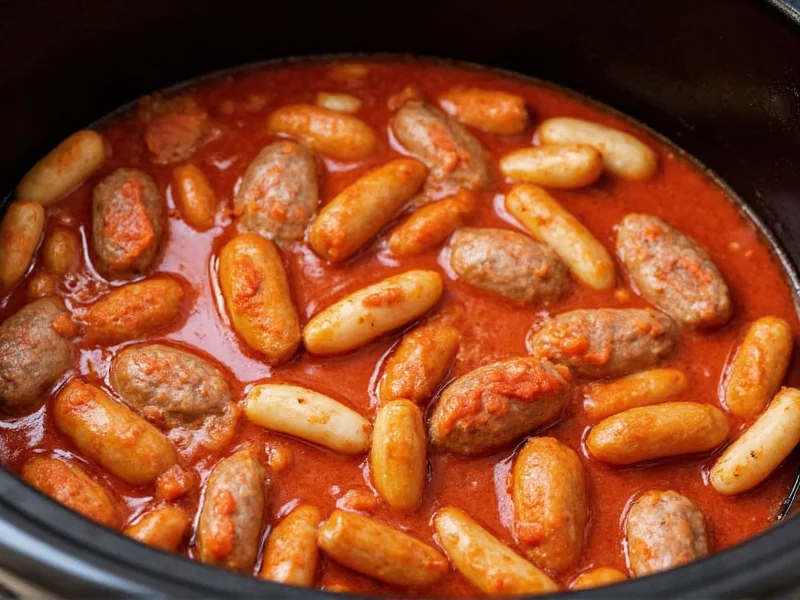
Creating a delicious Italian sausage dish in your slow cooker is one of the simplest ways to prepare a flavorful, tender meal with minimal effort. The crock pot's gentle, consistent heat perfectly cooks Italian sausage while preserving its juiciness and allowing flavors to meld beautifully. Whether you're preparing a weeknight dinner, meal prepping for the week, or hosting casual get-togethers, this method delivers consistent results every time.
Essential Ingredients for Crock Pot Italian Sausage
For a basic preparation that serves 4-6 people, you'll need:
- 1.5-2 lbs Italian sausage links (sweet or hot, pre-cooked or raw)
- 1 cup liquid (chicken broth, marinara sauce, or water)
- 1 large onion, sliced
- 1 bell pepper, sliced (any color)
- 3-4 garlic cloves, minced
- 1 teaspoon dried oregano
- 1 teaspoon dried basil
- Salt and black pepper to taste
Step-by-Step Cooking Instructions
Follow these straightforward steps for perfect crock pot Italian sausage every time:
- Prepare your vegetables by slicing the onion and bell pepper into thin strips and mincing the garlic.
- Place the sliced vegetables in the bottom of your slow cooker.
- Add the Italian sausage links on top of the vegetables in a single layer.
- Pour your chosen liquid around (not over) the sausage to prevent washing away seasonings.
- Sprinkle dried herbs, salt, and pepper over the top.
- Cover and cook on LOW for 4-6 hours or HIGH for 2-3 hours.
- Check for doneness - sausage should reach an internal temperature of 160°F.
- Remove sausage carefully with tongs and slice if desired.
- Serve with the cooked vegetables and cooking liquid as a sauce.
Cooking Time and Temperature Guidelines
Understanding proper cooking times ensures your Italian sausage turns out perfectly tender without becoming dry. The following table shows recommended settings:
| Cooking Setting | Time Required | Internal Temperature | Texture Result |
|---|---|---|---|
| LOW (200°F) | 4-6 hours | 160°F | Tender, juicy, falls apart slightly |
| HIGH (300°F) | 2-3 hours | 160°F | Firm but cooked through |
| Raw Sausage LOW | 6-8 hours | 160°F | Most tender, fully cooked |
Serving Suggestions for Your Crock Pot Italian Sausage
Italian sausage prepared in a slow cooker pairs wonderfully with numerous side dishes. For an authentic Italian sausage crock pot meal experience, consider these serving options:
- With pasta: Serve sliced sausage and vegetables over cooked spaghetti, penne, or rigatoni with extra cooking liquid as sauce
- As a sandwich: Place sliced sausage in a toasted hoagie roll with provolone cheese and sautéed peppers and onions
- With potatoes: Serve alongside roasted potatoes or creamy mashed potatoes for a hearty meal
- Over polenta: Spoon the sausage and vegetables over creamy polenta for a comforting dish
- With crusty bread: Serve with a side of garlic bread to soak up the flavorful cooking liquid
Popular Variations for Italian Sausage Crock Pot Recipes
One of the advantages of this easy crock pot Italian sausage recipe is its versatility. Try these delicious variations to keep your meals interesting:
Italian Sausage and Peppers Crock Pot
Double the amount of bell peppers and add 2 additional sliced onions. Include 1/2 cup of sliced olives and 1/4 cup of capers for a classic Italian-American combination. This version makes an excellent meal prep option for the week.
Crock Pot Italian Sausage with Marinara
Substitute the cooking liquid with 2 cups of your favorite marinara sauce. Add 1 teaspoon of red pepper flakes for extra heat. This creates a rich, tomato-based sauce perfect for serving over pasta or polenta. This Italian sausage crock pot with marinara is a family favorite for weeknight dinners.
Healthy Italian Sausage Crock Pot Meal
Use turkey Italian sausage instead of pork, increase the vegetable ratio by adding zucchini and mushrooms, and reduce added salt. Serve over cauliflower rice or zucchini noodles for a lower-carb option that still delivers maximum flavor.
Storage and Reheating Tips
One of the benefits of making Italian sausage in the crock pot is that it reheats beautifully, making it ideal for meal prep. Follow these storage guidelines:
- Refrigeration: Store cooled sausage and vegetables in an airtight container for up to 4 days
- Freezing: Freeze portions in freezer-safe containers for up to 3 months
- Reheating: Warm in the microwave with a splash of water or broth, or reheat gently on the stovetop over medium-low heat
- Reviving flavors: Add fresh herbs or a squeeze of lemon juice when reheating to refresh the flavors
Troubleshooting Common Issues
Even with this straightforward cooking method, you might encounter some challenges. Here's how to address them:
Sausage is Too Dry
If your Italian sausage turns out dry, you've likely overcooked it or used a lean variety. For future batches, reduce cooking time by 30-60 minutes or add an additional 1/2 cup of liquid to the slow cooker. Using pork Italian sausage rather than turkey sausage typically yields more moisture.
Sausage Isn't Cooked Through
If the sausage hasn't reached 160°F internal temperature, continue cooking and check every 30 minutes. Raw sausage may require the full 6-8 hours on LOW setting. Always use a meat thermometer to verify doneness rather than relying solely on cooking time.
Flavor is Too Mild
To enhance flavor in your crock pot Italian sausage recipe, try these adjustments:
- Add 1/4 cup of dry red wine with the cooking liquid
- Include 1-2 anchovy fillets (they'll dissolve but add depth)
- Stir in 1 tablespoon of tomato paste before cooking
- Add fresh herbs like basil or parsley during the last hour of cooking
Frequently Asked Questions
Do I need to brown Italian sausage before putting it in the crock pot?
No, browning is not necessary for pre-cooked Italian sausage. The slow cooking process in the crock pot will fully cook raw sausage as well, though some prefer the flavor from searing first. For easiest preparation, you can skip the browning step entirely when making Italian sausage in the crock pot.
Can I cook frozen Italian sausage in the crock pot?
Yes, but you'll need to increase cooking time by 1-2 hours. For best results with frozen Italian sausage in the crock pot, add an extra 1/2 cup of liquid and check the internal temperature to ensure it reaches 160°F before serving.
How do I prevent Italian sausage from becoming tough in the slow cooker?
To keep your Italian sausage tender in the crock pot, avoid overcooking and ensure there's enough liquid in the cooker. For pre-cooked sausage, don't exceed 4 hours on LOW setting. Adding vegetables like onions and peppers creates a natural barrier that prevents direct contact with the hot pot surface.
What's the best way to slice Italian sausage after slow cooking?
Let the cooked Italian sausage rest for 5-10 minutes before slicing. Use a sharp serrated knife and cut on a slight angle for attractive presentation. For crock pot Italian sausage meal prep, slice while warm but not hot for cleaner cuts that hold together better.
Can I add potatoes directly to the crock pot with Italian sausage?
Yes, you can create a complete meal by adding quartered baby potatoes to the bottom of the crock pot before placing the Italian sausage on top. The potatoes will absorb the sausage flavors while cooking. For best results with this Italian sausage crock pot meal idea, add the potatoes during the last 3-4 hours of cooking on LOW setting.




 浙公网安备
33010002000092号
浙公网安备
33010002000092号 浙B2-20120091-4