
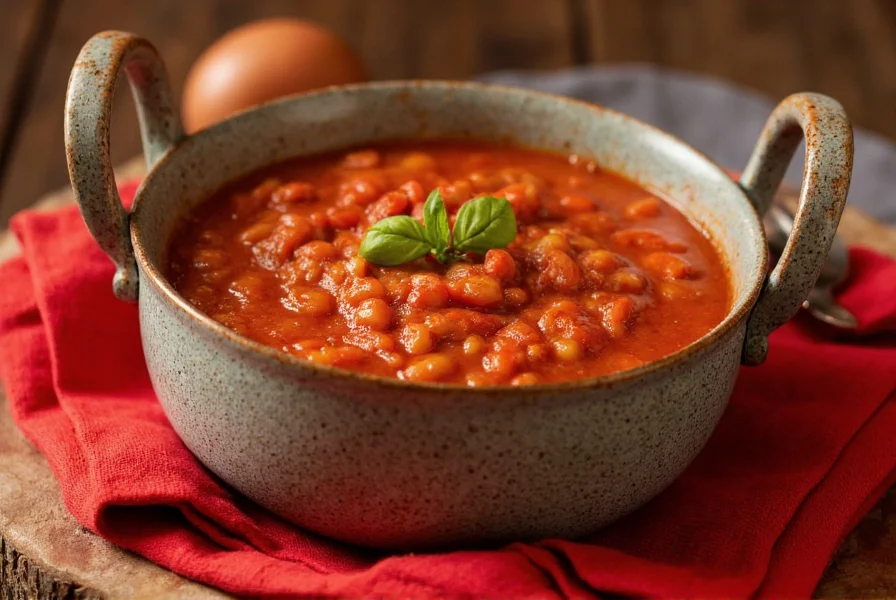
Many home cooks search for "Italian chili" expecting a classic Italian dish, only to discover a culinary misconception. Unlike Tex-Mex chili con carne, traditional Italian cuisine doesn't feature hearty meat-and-bean chili as commonly understood in American cooking. Instead, Italian cooking uses fresh or dried chili peppers—primarily peperoncino—as subtle flavor enhancers in specific regional dishes.
Understanding the Italian Chili Misconception
The term "Italian chili" creates confusion because chili as a standalone dish doesn't exist in authentic Italian culinary tradition. What many Americans call "chili"—a thick stew of meat, beans, and tomatoes with significant heat—originated in Texas and Mexico, not Italy. Italian cuisine employs chili peppers differently: as a seasoning accent rather than the centerpiece.
When exploring authentic Italian recipes with chili peppers, you'll find regional variations across Italy's diverse culinary landscape. Southern Italian cooking, particularly from Calabria and Sicily, features chili more prominently than northern regions. The key difference lies in application: Italian chefs use chili to enhance rather than dominate flavors.
Common Italian Chili Varieties
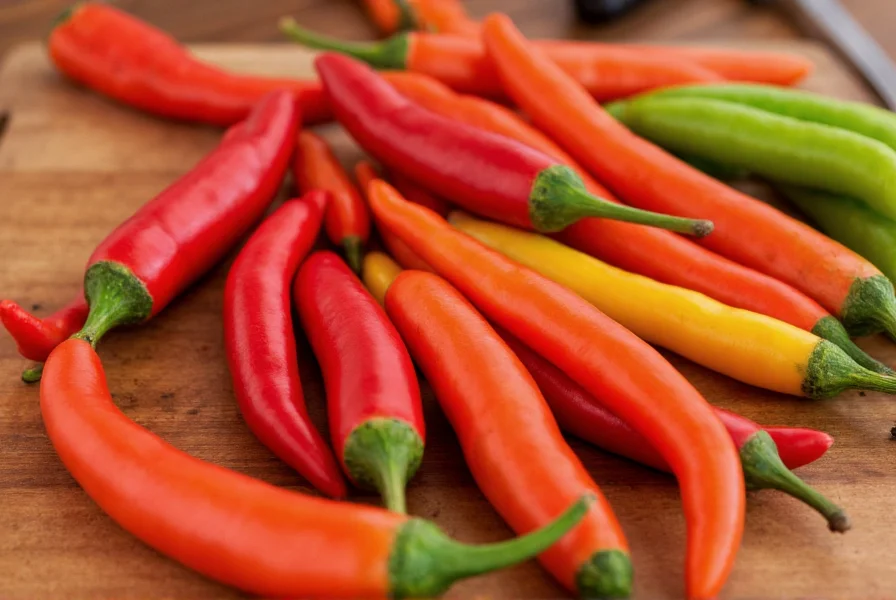
Italy cultivates several distinctive chili varieties, each with unique characteristics:
| Chili Variety | Heat Level (SHU) | Primary Regions | Common Uses |
|---|---|---|---|
| Peperoncino Calabrese | 25,000-45,000 | Calabria | Pasta sauces, olive oil infusions, 'nduja |
| Peperoncino di Senise | 5,000-15,000 | Basilicata | Dried for pasta dishes, breads |
| Peperoncino Friariello | 1,500-2,500 | Campania | Fresh in salads, pizza toppings |
| Peperoncino Sardo | 30,000-50,000 | Sardinia | Seafood dishes, tomato sauces |
These regional Italian chili pepper varieties demonstrate how heat levels and applications vary across Italy. Calabrian chilies provide intense heat used sparingly, while milder varieties like Friariello appear fresh in everyday cooking.
Historical Evolution: Chili's Journey Through Italian Cuisine
Chili peppers arrived in Italy through Spanish trade routes following Columbus's voyages to the Americas, as documented by Encyclopædia Britannica. By the 16th century, they had reached southern Italy where Calabria's climate proved ideal for cultivation. Historical records from the Slow Food Foundation indicate chili became a staple in Calabrian peasant cuisine by the 18th century, used for both flavor and food preservation. The 19th century saw the emergence of iconic products like 'nduja—a spicy pork spread—which remains a Calabrian specialty today. While northern Italian regions largely ignored chili until recent decades, southern traditions remained steadfast. Today, global interest has elevated Italian chili products, but regional usage patterns established centuries ago persist.
Sources: Encyclopædia Britannica: Chili Pepper, Slow Food Foundation: Peperoncino Calabrese
Regional Context: Where Chili Fits in Italian Cooking
Understanding the strict regional boundaries of chili usage is crucial for authentic Italian cooking. Chili's application isn't universal across Italy—it's deeply contextual:
- Common in Southern Italy: Essential in Calabrian, Sicilian, Basilicatan, Campanian, and Sardinian cuisines. The Italian Ministry of Agricultural, Food and Forestry Policies lists peperoncino and 'nduja as protected regional products of Calabria, highlighting their cultural significance.
- Rare in Northern Italy: Traditional dishes from Piedmont, Lombardy, and Veneto typically exclude chili. Lombardy's official regional products (per the same ministry) feature butter-based sauces and cured meats without chili, reflecting northern preferences for milder flavors.
- Culinary Boundaries:
- Always used in: Southern tomato sauces (arrabbiata), cured meats ('nduja), and some seafood preparations
- Never used in: Northern stews (ossobuco), creamy Roman pastas (carbonara), and delicate egg-based dishes
These boundaries stem from historical, climatic, and cultural factors: Southern Italy's warmer climate supported chili cultivation, while northern regions developed distinct culinary identities influenced by Alpine and Central European traditions.
Sources: Italian Ministry: Calabrian Regional Products, Italian Ministry: Lombard Regional Products
Authentic Italian Dishes Featuring Chili
Instead of searching for non-existent "Italian chili recipes," explore these genuine Italian dishes where chili plays a supporting role:
Spaghetti Aglio e Olio con Peperoncino
This Roman classic features just garlic, olive oil, chili, and pasta. The chili (peperoncino) provides subtle heat that complements rather than overwhelms the delicate garlic flavor. Authentic preparation uses whole dried chilies steeped in oil, then removed before serving.
'Nduja from Calabria
This spreadable pork salume mixed with Calabrian chilies represents one of Italy's most famous chili-infused products. Made with 20-30% chili content, 'nduja spreads easily when warmed and adds complex heat to pasta dishes, pizzas, and roasted vegetables.
Arrabbiata Sauce
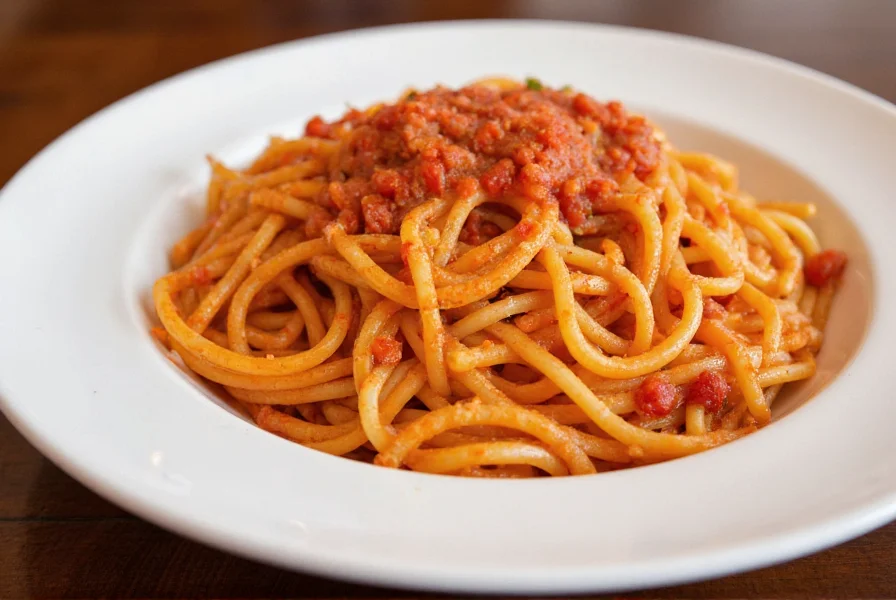
Literally meaning "angry" sauce, this Roman tomato sauce gets its name from the chili content. Authentic versions use just enough dried chili flakes to create noticeable warmth without dominating the fresh tomato flavor—typically 1-2 small chilies per quart of sauce.
Creating Italian-Inspired Chili Dishes
If you want to make a chili dish with Italian influences while respecting culinary traditions, follow these guidelines for Italian-style chili preparation:
- Use the right meat: Substitute traditional chili meats with Italian sausage (sweet or hot), pancetta, or even game meats like venison common in northern Italy
- Tomato approach: Use high-quality San Marzano tomatoes rather than tomato paste, and avoid excessive sweetness
- Bean policy: Authentic Italian cooking rarely combines beans with pasta or meat sauces (with exceptions like pasta e fagioli), so consider omitting beans
- Chili application: Use whole dried chilies steeped in oil rather than flakes for more nuanced heat
- Finishing touches: Garnish with fresh basil, Parmigiano-Reggiano, or a drizzle of high-quality olive oil
Avoiding Common Italian Chili Mistakes
Many attempts at Italian-inspired chili recipes miss the mark by:
- Overloading with multiple chili varieties (authentic Italian cooking typically uses one specific regional chili)
- Adding excessive heat that overwhelms other flavors
- Using American chili powder blends (which contain cumin and other non-Italian spices)
- Combining incompatible ingredients like beans and meat in the same dish
- Ignoring regional Italian cooking traditions in favor of Americanized interpretations
Remember that Italian cuisine values balance and simplicity. When incorporating chili, the goal is enhancement, not domination. As chef Massimo Bottura explains, "In Italian cooking, heat should whisper, not shout."
Conclusion: Embracing Authentic Italian Chili Applications
While "Italian chili" as a standalone dish doesn't exist in traditional Italian cuisine, chili peppers play important supporting roles across regional Italian cooking. By understanding the proper use of authentic Italian chili varieties and respecting regional culinary traditions, home cooks can create dishes that honor Italy's rich food heritage while incorporating desirable heat elements.
Whether you're making a simple spaghetti con peperoncino or experimenting with Calabrian 'nduja, the key lies in using chili as a complementary flavor rather than the main attraction—a principle that defines genuine Italian cooking philosophy.
Frequently Asked Questions
Is there such a thing as traditional Italian chili?
No, traditional Italian cuisine doesn't feature "chili" as Americans know it (a meat-and-bean stew). Italian cooking uses chili peppers like peperoncino as seasoning accents in specific regional dishes, not as standalone chili dishes.
What Italian dish is similar to chili?
Pasta e fagioli (pasta and beans) shares some similarities but lacks the chili pepper focus. For meat-based dishes with chili, try Arrabbiata sauce or ragù with added peperoncino, though these differ significantly from American-style chili.
What is the most common chili used in Italian cooking?
Peperoncino (Calabrian chili) is the most widely used chili in Italian cuisine, particularly in southern regions. It typically ranges from 25,000-45,000 SHU and appears in dishes like 'nduja, arrabbiata sauce, and aglio e olio.
Can I make an Italian-style chili with beans?
Traditional Italian cooking generally doesn't combine beans with meat sauces (with exceptions like pasta e fagioli). Authentic Italian-inspired chili would typically omit beans, focusing instead on meat, tomatoes, and subtle chili heat.
How do Italians typically use chili in cooking?
Italians use chili as a flavor enhancer rather than the main ingredient. Common techniques include steeping whole dried chilies in olive oil, adding flakes to tomato sauces, or incorporating 'nduja (chili-spiced pork spread) into dishes for complex heat.




 浙公网安备
33010002000092号
浙公网安备
33010002000092号 浙B2-20120091-4