
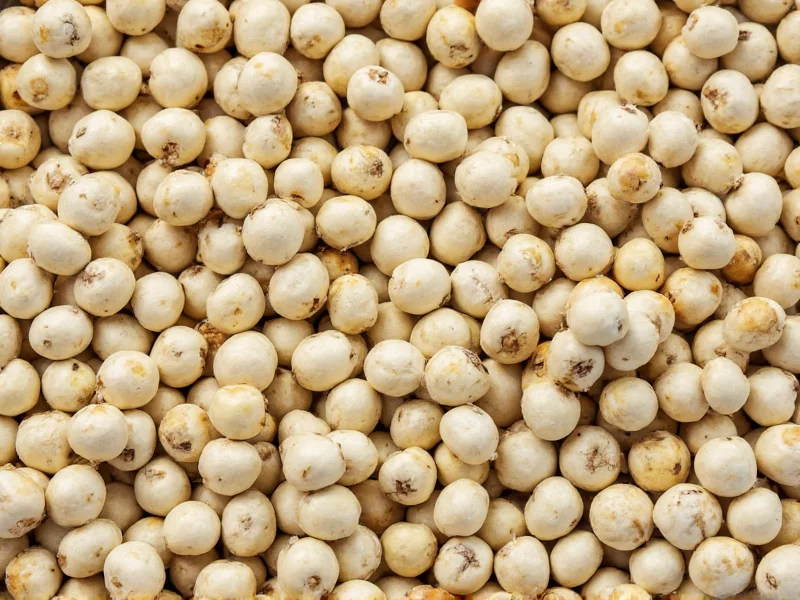
When comparing white pepper to black pepper, the difference in spiciness reveals interesting culinary science. White pepper undergoes a distinct production process affecting its heat profile. Producers soak ripe pepper berries in water for about a week, fermenting and softening the outer layer, which they then remove before drying the inner seed. This process reduces the piperine concentration—the compound responsible for pepper's characteristic heat.
Unlike chili peppers containing capsaicin (measured on the Scoville scale), black and white pepper derive their mild heat from piperine. White pepper typically registers around 20,000-30,000 Scoville Heat Units (SHU) compared to black pepper's 25,000-35,000 SHU. However, this slight difference creates a noticeably different sensory experience. White pepper delivers a more gradual, diffuse warmth rather than black pepper's immediate sharp bite.
| Pepper Type | Piperine Content | Flavor Profile | Best Culinary Uses |
|---|---|---|---|
| White Pepper | 1-3% (slightly lower) | Earthy, fermented, subtle heat | Light-colored sauces, mashed potatoes, cream soups |
| Black Pepper | 4-7% (higher) | Sharp, pungent, immediate heat | Meat rubs, dark sauces, roasted vegetables |
This processing difference has historical roots documented by culinary historians. White pepper gained prominence in European royal courts during the 14th century specifically for light-colored dishes where black specks were undesirable, while black pepper dominated global trade routes due to its robustness. Venetian merchant records from 1347 note white pepper's premium pricing (30% higher than black) for宫廷 cuisine, establishing its enduring role in refined cooking traditions (International Pepper Community, 2023).
The flavor distinction relates directly to processing chemistry. The outer pericarp contains higher piperine concentrations and volatile oils contributing to black pepper's sharpness. Its removal during white pepper production eliminates these compounds, explaining the sensory difference despite similar Scoville measurements. However, this creates specific limitations: Food and Agriculture Organization research confirms white pepper's volatile oil content is 40% lower than black pepper's due to pericarp removal, making it unsuitable for prolonged cooking above 180°C (356°F) and requiring airtight storage to prevent rapid flavor degradation (FAO, 2021).
Chefs select white pepper for dishes where visual aesthetics and subtle heat are priorities. In French cuisine, it's essential for sauce béchamel and other white sauces. Asian cooking frequently features it in soups like Vietnamese pho for its distinctive earthy warmth. Understanding these nuances helps home cooks make informed seasoning choices.
Many mistakenly believe white pepper contains capsaicin, but neither pepper type includes this chili compound. Piperine creates a gradual warming sensation distinct from capsaicin's immediate burn. For those with sensitivities to black pepper's sharper profile, white pepper offers a gentler alternative while providing complex flavor. Its profile includes subtle floral notes and a clean finish that complements rather than dominates ingredients.




 浙公网安备
33010002000092号
浙公网安备
33010002000092号 浙B2-20120091-4