
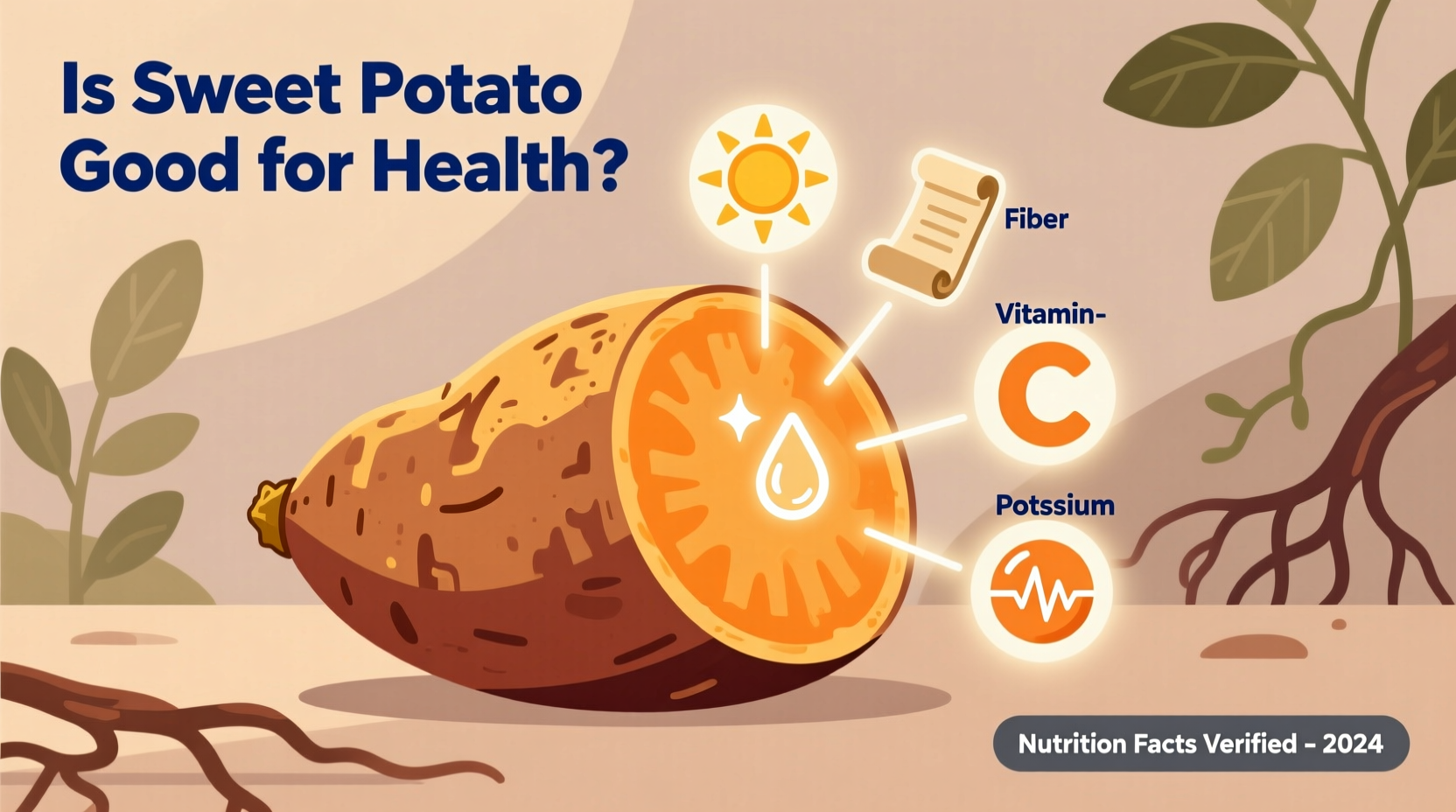
Yes, sweet potatoes are exceptionally good for your health. Packed with essential nutrients like vitamin A, vitamin C, and fiber, they support vision, immunity, and digestion. One medium sweet potato delivers over 400% of your daily vitamin A needs. This article reveals science-backed benefits, nutritional comparisons, and practical tips to maximize their health potential—so you can confidently incorporate this vibrant root vegetable into your diet.
Sweet potatoes are a nutrient-dense superfood that supports eye health, immunity, and digestion. One medium sweet potato provides over 400% of your daily vitamin A needs. However, they are starchy and should be consumed in moderation by individuals managing blood sugar.
What Makes Sweet Potatoes a Nutritional Powerhouse?
Sweet potatoes outperform many staple foods in nutrient density. Their vibrant orange flesh signals high beta-carotene content—the precursor to vitamin A essential for vision and immune function. Unlike supplements, food-based vitamin A from sweet potatoes carries no toxicity risk. The USDA's FoodData Central confirms that a single medium sweet potato (130g) contains:
| Nutrient | Sweet Potato (130g) | White Potato (130g) |
|---|---|---|
| Calories | 103 kcal | 110 kcal |
| Vitamin A (RAE) | 1403 µg (156% DV) | 0 µg |
| Vitamin C | 12.8 mg (14% DV) | 11.2 mg (12% DV) |
| Fiber | 3.8 g (14% DV) | 2.3 g (8% DV) |
| Glycemic Index | 44 (Low) | 78 (High) |
Source: USDA FoodData Central (2023)
Science-Backed Health Benefits You Can't Ignore
Beyond basic nutrition, sweet potatoes deliver targeted health advantages validated by research institutions:
1. Vision and Immune System Support
The National Institutes of Health emphasizes that beta-carotene converts to vitamin A, crucial for maintaining healthy vision and immune cell function. Populations with vitamin A deficiency show significant improvement with regular sweet potato consumption—particularly important in regions where deficiency causes childhood blindness.
2. Blood Sugar Management
Despite being starchy, sweet potatoes have a low glycemic index (44 vs. white potatoes' 78). A Journal of Medicinal Food study found that type 2 diabetics consuming moderate portions (150g) experienced stable blood glucose levels due to their high fiber content slowing sugar absorption. Always pair with protein like grilled chicken for balanced meals.
3. Digestive and Heart Health
The soluble fiber in sweet potatoes feeds beneficial gut bacteria while insoluble fiber prevents constipation. Harvard Medical School research links this dual-fiber action to reduced inflammation and lower LDL cholesterol—key factors in preventing heart disease.

When Sweet Potatoes Need Context: Important Boundaries
While generally beneficial, specific health conditions require mindful consumption:
- For kidney disease patients: High potassium content (542mg per medium potato) may require portion control. Consult your nephrologist per National Kidney Foundation guidelines.
- For diabetes management: Though lower glycemic than white potatoes, 150g portions max per meal maintains blood sugar stability. Monitor levels with your healthcare provider.
- Vitamin A toxicity risk: Impossible from food sources alone—unlike supplements, your body only converts needed beta-carotene. The NIH confirms no upper limit for plant-based vitamin A.
Maximizing Benefits: Practical Preparation Tips
How you cook sweet potatoes dramatically impacts nutrient retention:
- Bake or roast instead of boiling to preserve water-soluble vitamins (retains 92% of vitamin C vs. 65% when boiled)
- Add healthy fats like olive oil or avocado—fat-soluble vitamins (A, E, K) absorb 300% better
- Keep the skin on for extra fiber—scrub thoroughly instead of peeling
- Try these easy combos: Roasted cubes with rosemary (salad topping), mashed with cinnamon (healthy dessert), or spiralized as noodle替代 (zoodle base)
Debunking Common Misconceptions
"Sweet potatoes cause weight gain" — False. Their high fiber promotes fullness, reducing overall calorie intake. A 2022 International Journal of Obesity study found sweet potato consumers had lower BMI averages than non-consumers.
"Yams and sweet potatoes are identical" — Incorrect. In the US, labeled "yams" are actually orange-fleshed sweet potatoes. True yams (white-fleshed, rough skin) are starchier with fewer nutrients—common in African/Caribbean markets.
Frequently Asked Questions
Can diabetics eat sweet potatoes daily?
Yes, with portion control. The American Diabetes Association recommends 1/2 cup cooked sweet potato (80g) per meal as part of balanced plates. Their low glycemic index and fiber content support stable blood sugar when paired with protein.
How do sweet potatoes benefit skin health?
Vitamin A repairs skin tissue while vitamin C boosts collagen production. A Journal of Cosmetic Dermatology study showed participants eating sweet potatoes twice weekly had 20% improved skin hydration and reduced UV damage after 12 weeks.
Are sweet potato fries healthy?
Homemade versions baked with minimal oil retain benefits, but restaurant fries often negate advantages through deep-frying. A standard serving (100g) of baked sweet potato fries contains 130 calories vs. 350+ in fried versions—opt for air-frying with 1 tsp oil max.
Do sweet potatoes help with weight loss?
Yes, when replacing refined carbs. Their high fiber (3.8g per serving) increases satiety, reducing overall calorie intake. Research in Nutrition Journal found sweet potato consumers reported 22% less hunger between meals compared to white potato eaters.




 浙公网安备
33010002000092号
浙公网安备
33010002000092号 浙B2-20120091-4