
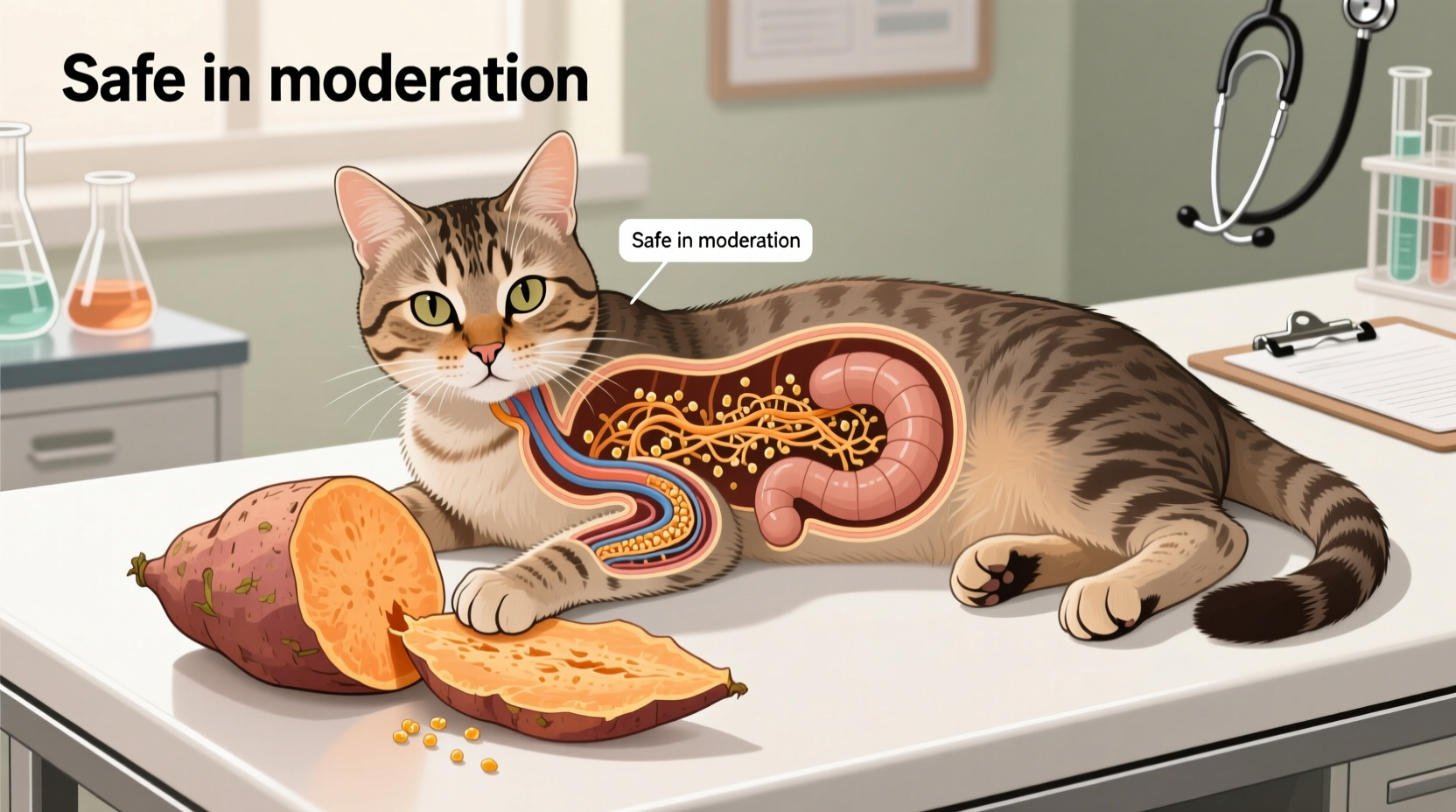
Quick answer: Sweet potatoes can be safe for cats in small, cooked portions as an occasional treat, but they shouldn't replace meat-based cat food. While non-toxic, sweet potatoes lack essential nutrients cats need and excessive amounts may cause digestive issues. Always consult your veterinarian before introducing new foods to your cat's diet.
As a cat owner, you've probably wondered whether human foods like sweet potatoes are safe for your feline friend. With increasing interest in natural pet nutrition, many caregivers seek wholesome treat alternatives beyond commercial options. This guide delivers evidence-based information about sweet potatoes and cats, separating fact from popular myths while providing practical feeding guidelines you can trust.
Nutritional Profile: Sweet Potatoes vs. Feline Dietary Needs
| Nutrient | Sweet Potato (per 100g) | Ideal Cat Requirement | Compatibility Assessment |
|---|---|---|---|
| Protein | 1.6g | 25-30g | ❌ Severely deficient |
| Carbohydrates | 20.1g | Minimal | ⚠️ Excessive for obligate carnivores |
| Vitamin A | 14,187 IU | Moderate | ✅ Beneficial in controlled amounts |
| Fiber | 3g | 1.5-2.5g | ⚠️ Helpful for digestion but potentially problematic in excess |
This nutritional comparison reveals why sweet potatoes shouldn't form a significant part of your cat's diet. According to the American Veterinary Medical Association, cats are obligate carnivores requiring meat-based protein as their primary nutritional source. While sweet potatoes contain beneficial vitamins and fiber, they fundamentally mismatch feline biological requirements.
When Sweet Potatoes Might Benefit Your Cat
Cooked sweet potato can serve as an occasional digestive aid when introduced properly. The Cornell Feline Health Center notes that small amounts of cooked sweet potato may help with:
- Moderating occasional constipation through gentle fiber supplementation
- Providing complex carbohydrates for diabetic cats under veterinary supervision
- Serving as a low-calorie training treat alternative to commercial options
- Adding variety for cats with sensitive stomachs needing bland diet rotation
However, these benefits only apply when sweet potatoes are prepared correctly and given in appropriate portions. The Cornell Feline Health Center emphasizes that any dietary additions should constitute no more than 5% of your cat's daily caloric intake.

Important Safety Considerations and Risks
Despite being non-toxic, sweet potatoes present several potential concerns for cats:
Digestive Distress from Improper Preparation
Raw sweet potatoes contain complex starches cats cannot digest, potentially causing vomiting or diarrhea. The ASPCA Animal Poison Control Center reports increased cases of gastrointestinal upset when cats consume raw or seasoned sweet potato preparations. Always cook sweet potatoes thoroughly without added seasonings, oils, or sweeteners before offering even a small portion.
Nutritional Imbalance with Regular Feeding
Regular sweet potato consumption can lead to nutritional deficiencies as cats miss essential nutrients found only in animal proteins. A 2022 study published in the Journal of Feline Medicine and Surgery documented cases of taurine deficiency in cats fed plant-based supplement diets. Taurine deficiency can cause serious heart conditions and vision problems in cats.
Contextual Boundaries: When to Avoid Completely
Certain medical conditions make sweet potatoes inappropriate for cats:
- Diabetic cats: Despite lower glycemic index than white potatoes, sweet potatoes still contain significant carbohydrates that may affect blood sugar regulation
- Kidney disease: Higher potassium content may complicate management of renal conditions
- Pancreatitis history: Additional fat from improper preparation could trigger flare-ups
- Obesity: Extra calories from carbohydrates contribute to weight gain without nutritional benefit
Safe Preparation and Serving Guidelines
If your veterinarian approves sweet potatoes for your cat, follow these evidence-based preparation methods:
- Choose organic: Select pesticide-free sweet potatoes to minimize chemical exposure
- Thorough cooking: Boil or steam until extremely soft (no baking which concentrates sugars)
- Proper portioning: Start with 1/4 teaspoon for small cats or 1/2 teaspoon for larger cats
- Gradual introduction: Monitor for 48 hours before offering additional portions
- Frequency limitation: Maximum once weekly as part of the 5% treat allowance
Never serve sweet potato with skins, seasonings, or mixed with other human foods. The FDA Center for Veterinary Medicine recommends maintaining strict separation between human and pet food preparations to prevent cross-contamination.
Better Alternatives for Cat Treats
While sweet potatoes have limited application, these options better align with feline nutritional requirements:
- Cooked chicken or turkey (unseasoned, boneless)
- Commercially prepared cat treats with veterinary nutritional approval
- Freeze-dried meat treats specifically formulated for cats
- Small portions of cooked fish (occasionally, with veterinarian approval)
Remember that cats don't require treats for nutritional completeness. The Association of American Feed Control Officials (AAFCO) states that complete and balanced commercial cat foods provide all necessary nutrients when fed according to package directions.
Frequently Asked Questions
Can cats eat sweet potato skin?
No, cats should never eat sweet potato skin. The skin contains higher concentrations of fiber and potential pesticides that can cause digestive blockages or toxicity. Always peel sweet potatoes thoroughly before cooking for cats.
How much sweet potato can I safely give my cat?
The safe amount is no more than 1-2 teaspoons of cooked sweet potato per 10 pounds of body weight, maximum once weekly. This should represent less than 5% of your cat's daily caloric intake. Always start with smaller amounts to assess tolerance.
Are yams the same as sweet potatoes for cats?
No, true yams (common in international markets) differ significantly from sweet potatoes. Yams contain compounds potentially toxic to cats and should be avoided entirely. In the United States, most "yams" are actually sweet potato varieties, but verification with a produce specialist is recommended.
What should I do if my cat ate raw sweet potato?
Monitor your cat closely for 24-48 hours for signs of digestive distress including vomiting, diarrhea, or lethargy. Contact your veterinarian if symptoms develop. Small amounts may pass without issue, but larger quantities could cause intestinal blockage requiring medical intervention.
Can sweet potatoes help with my cat's hairballs?
While the fiber in sweet potatoes might theoretically aid hairball passage, safer and more effective solutions exist. Specialized hairball control cat foods, regular brushing, and veterinary-approved hairball remedies provide better results without the nutritional compromise of plant-based additions to your cat's diet.




 浙公网安备
33010002000092号
浙公网安备
33010002000092号 浙B2-20120091-4