
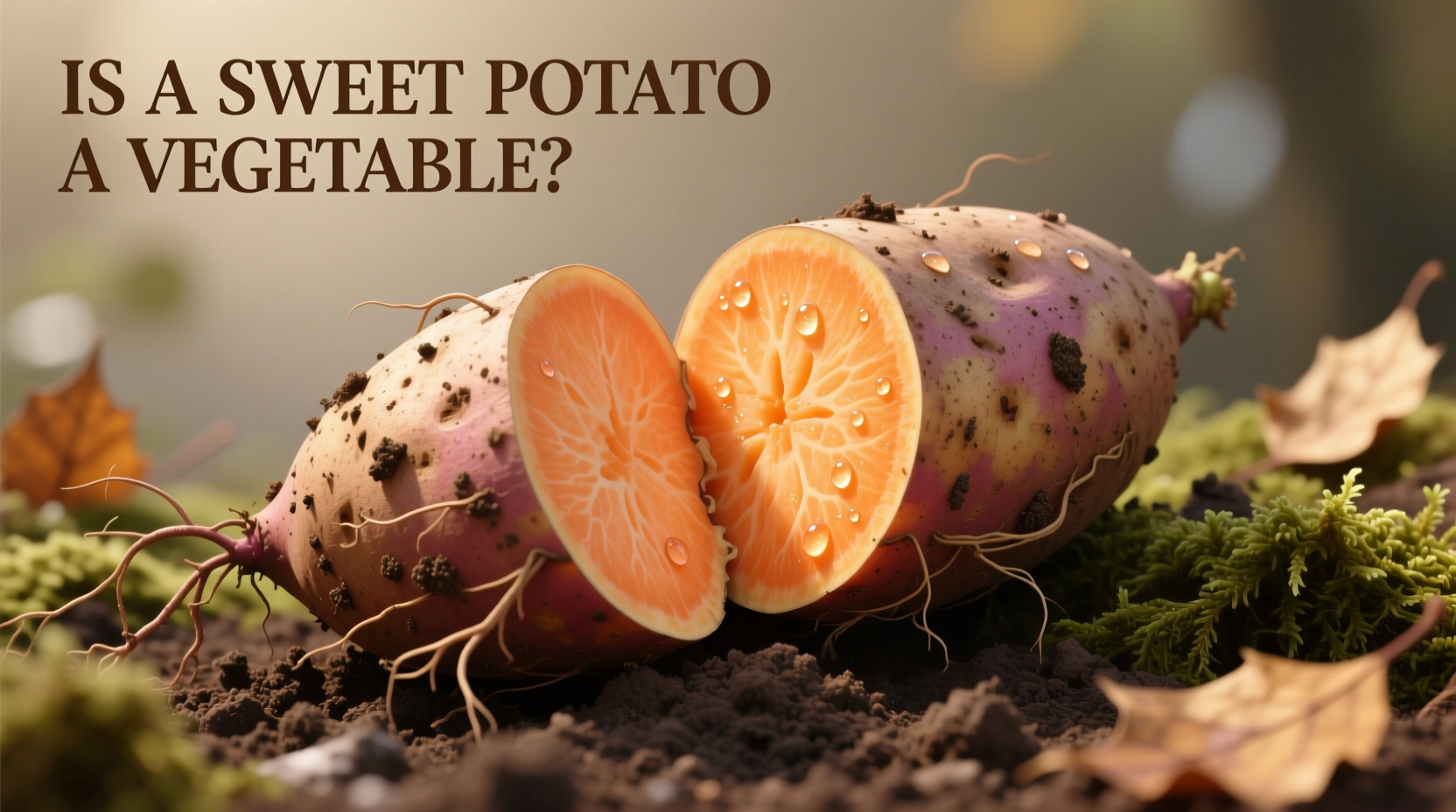
When you're meal planning or filling your plate, understanding whether sweet potatoes qualify as vegetables matters for balanced nutrition. This confusion stems from their higher carbohydrate content compared to leafy greens, but the scientific and culinary consensus is clear: sweet potatoes are absolutely vegetables—just a special type with distinct benefits.
The Botanical Truth About Sweet Potatoes
From a botanical perspective, vegetables encompass edible parts of herbaceous plants—including roots, tubers, stems, leaves, and flowers. Sweet potatoes (Ipomoea batatas) are storage roots, making them root vegetables by definition. Unlike potatoes (which are tubers), sweet potatoes develop from adventitious roots that swell with nutrients.
The USDA Agricultural Research Service confirms sweet potatoes belong to the Convolvulaceae family, distinct from white potatoes in the Solanaceae family. This botanical difference explains why sweet potatoes don't contain solanine (the toxic compound in green potatoes) and have superior vitamin A content.
Sweet Potato vs. Other Vegetables: Key Differences
While all vegetables provide essential nutrients, they're nutritionally diverse. Sweet potatoes fall into the starchy vegetable category alongside corn, peas, and white potatoes—different from non-starchy vegetables like bell peppers or asparagus.
| Vegetable Type | Carbohydrates (per 100g) | Key Nutrients | Common Examples |
|---|---|---|---|
| Starchy Vegetables | 15-25g | Vitamin A, Vitamin C, Potassium | Sweet potatoes, corn, peas |
| Non-Starchy Vegetables | 1-7g | Vitamin K, Folate, Fiber | Spinach, broccoli, carrots |
This nutritional distinction comes from USDA's FoodData Central database, which shows a medium sweet potato (130g) contains about 27g carbohydrates—significantly more than broccoli's 6g per same serving. However, sweet potatoes also deliver 400% of your daily vitamin A needs, making them nutritionally valuable despite higher carbs.
Why the Confusion Exists
The misconception that sweet potatoes "aren't real vegetables" stems from three sources:
- Dietary guidelines sometimes separate starchy and non-starchy vegetables for carb management, particularly in diabetes nutrition
- Glycemic index concerns—boiled sweet potatoes have a GI of 44 (medium), while roasted can reach 94 (high)
- Marketing misclassification—some fad diets incorrectly label them as "fruits" due to sweetness
Registered dietitians at the Academy of Nutrition and Dietetics clarify that all vegetables count toward your daily vegetable intake, but portion sizes matter for starchy varieties. Their official position paper states: "Starchy vegetables provide important nutrients and should be included in balanced diets, with attention to appropriate serving sizes."
Practical Meal Planning Guidance
Here's how to incorporate sweet potatoes effectively:
- For general health: Treat ½ cup cooked sweet potato as one vegetable serving (counts toward your daily 2-3 cup recommendation)
- For blood sugar management: Pair with protein (like chicken) and non-starchy veggies to balance glycemic impact
- For maximum nutrition: Keep the skin on—fiber content increases by 30% and you retain more antioxidants
Research from the CDC's National Health and Nutrition Examination Survey shows Americans consume only 1.1 cup-equivalents of vegetables daily—far below the recommended 2-3 cups. Including sweet potatoes helps bridge this gap while providing unique nutrients absent in other vegetables.
Setting the Record Straight
Let's address common misconceptions directly:
- "Sweet potatoes are fruits because they're sweet"—False. Fruits develop from flowering plant ovaries; sweet potatoes are root vegetables.
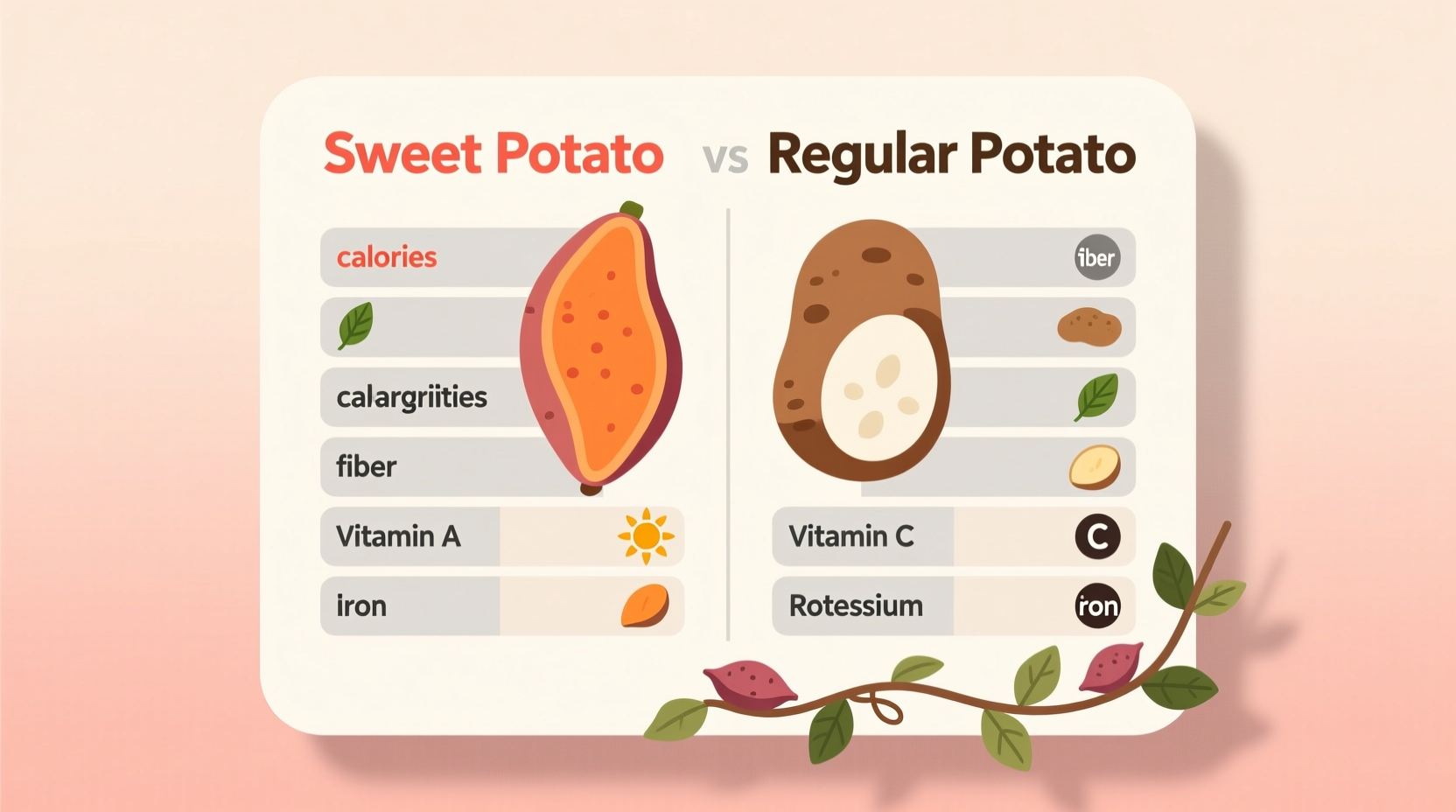
- "They're just like white potatoes"—Incorrect. Sweet potatoes have 3x more fiber, 400x more vitamin A, and different starch structures.
- "Shouldn't count toward vegetable intake"—Nutrition science disagrees. All vegetables contribute to dietary diversity.
The historical context adds perspective: Sweet potatoes have been cultivated as vegetables for over 5,000 years, with archaeological evidence from Peruvian sites dating to 3000 BCE. Their classification as vegetables isn't a modern invention but a consistent agricultural understanding across cultures.
Smart Ways to Enjoy Sweet Potatoes Daily
You don't need to choose between sweet potatoes and other vegetables—they complement each other. Try these balanced approaches:
- Morning: Sweet potato toast topped with avocado (½ sweet potato + non-starchy veggies)
- Lunch: Roasted sweet potato cubes in green salad (1:2 ratio of starchy to non-starchy)
- Dinner: Baked sweet potato half alongside grilled asparagus and salmon
This approach aligns with Harvard's Healthy Eating Plate model, which visually demonstrates how starchy vegetables fit within balanced meals without displacing other vegetable types.
Is a sweet potato considered a vegetable in dietary guidelines?
Yes, sweet potatoes are officially classified as vegetables in all major dietary guidelines including the USDA's Dietary Guidelines for Americans. They fall under the starchy vegetable subgroup, which also includes corn, peas, and white potatoes.
How does sweet potato compare nutritionally to other vegetables?
Sweet potatoes contain significantly more carbohydrates and natural sugars than non-starchy vegetables like broccoli or spinach, but they also provide exceptional vitamin A (as beta-carotene), vitamin C, and potassium. One medium sweet potato delivers 400% of your daily vitamin A needs—unmatched by most other vegetables.
Should I count sweet potato toward my daily vegetable intake?
Absolutely. The USDA recommends adults consume 2-3 cup-equivalents of vegetables daily, and sweet potatoes count toward this total. For meal planning, consider ½ cup cooked sweet potato as one vegetable serving. Those managing blood sugar may want to balance starchy vegetables with non-starchy varieties.
Why do some people say sweet potatoes aren't real vegetables?
This misconception typically comes from low-carb diet communities that incorrectly categorize starchy vegetables separately from "true" vegetables. Scientifically and culinarily, all edible plant parts—including roots like sweet potatoes—are vegetables. The confusion stems from nutritional differences within the vegetable category, not from any legitimate botanical classification.




 浙公网安备
33010002000092号
浙公网安备
33010002000092号 浙B2-20120091-4