
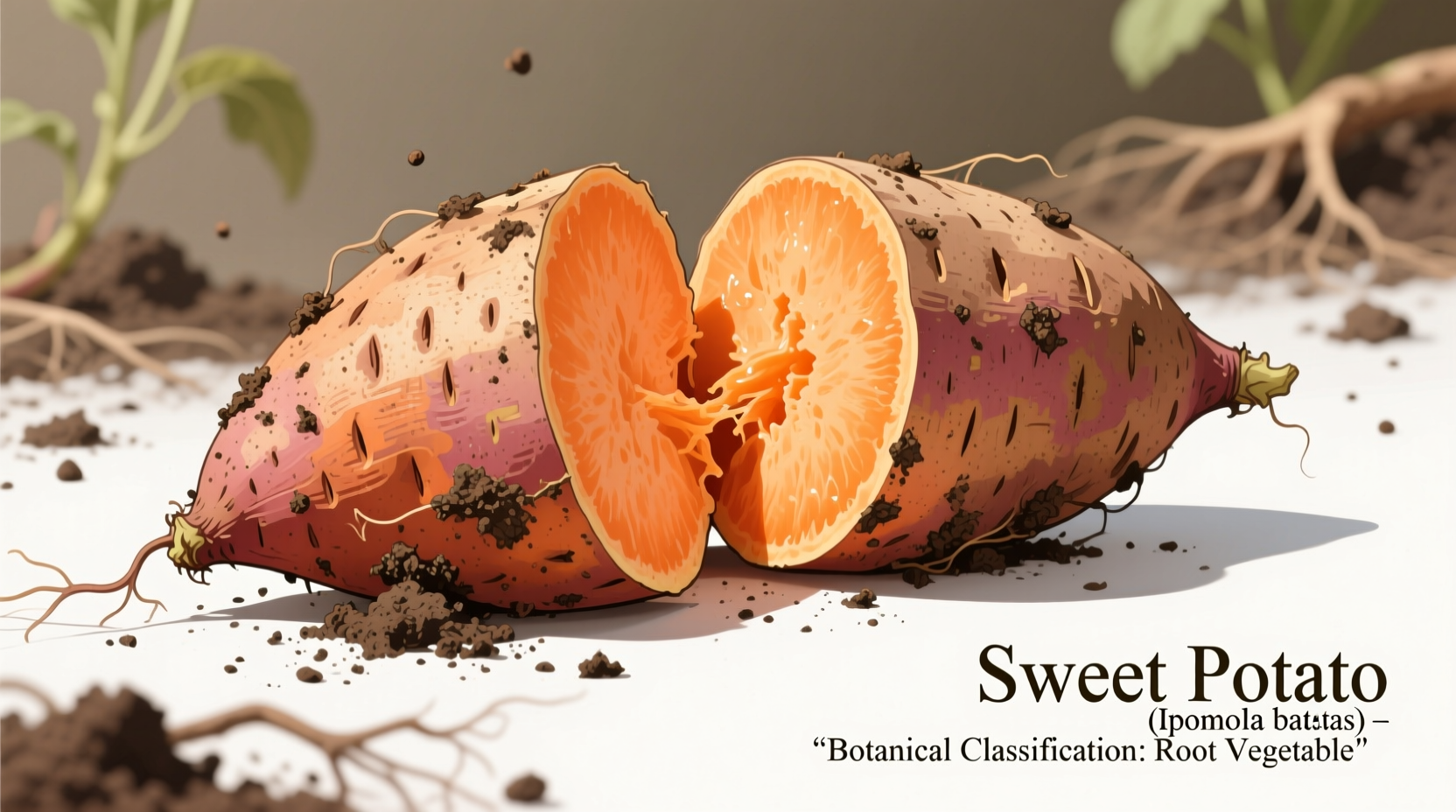
When you're meal planning or analyzing your grocery list, understanding whether sweet potatoes qualify as vegetables affects how you balance your plate. This seemingly simple question reveals fascinating intersections between botany, nutrition science, and culinary tradition that impact everything from school lunch programs to diabetes management.
Botanical Reality: What Sweet Potatoes Actually Are
From a strict botanical perspective, sweet potatoes (Ipomoea batatas) are storage roots, not true vegetables. Unlike vegetables that develop from plant flowers (like tomatoes or cucumbers), sweet potatoes form as enlarged lateral roots that store nutrients for the plant. The USDA Agricultural Research Service confirms sweet potatoes belong to the morning glory family, making them fundamentally different from nightshade-family regular potatoes.
This botanical classification explains why sweet potatoes reproduce through vine cuttings rather than seeds like most vegetables. However, this scientific distinction rarely matters in practical contexts where culinary and nutritional classifications dominate decision-making.
Culinary Classification: How Chefs and Home Cooks View Sweet Potatoes
In professional and home kitchens worldwide, sweet potatoes function as vegetables. The James Beard Foundation's culinary guidelines categorize them alongside other root vegetables like carrots and parsnips. Chefs leverage their natural sweetness in savory applications—from roasted vegetable medleys to pureed soups—while still treating them as vegetable components rather than fruits or starches.
When developing recipes, culinary professionals consider sweet potatoes' versatility as a vegetable that bridges sweet and savory applications. Their ability to caramelize beautifully when roasted or develop creamy texture when boiled aligns with vegetable preparation techniques rather than fruit handling methods.
Nutritional Perspective: What Dietary Guidelines Say
The USDA's Dietary Guidelines for Americans explicitly classify sweet potatoes as vegetables within the 'starchy vegetables' subgroup. This official categorization impacts national nutrition programs including school lunches and SNAP benefits. Unlike regular potatoes which appear only in the starchy subgroup, sweet potatoes also qualify for the 'orange vegetables' category due to their beta-carotene content.
| Classification System | Sweet Potato Status | Key Determining Factors |
|---|---|---|
| USDA Dietary Guidelines | Vegetable (starchy subgroup) | Nutrient profile, culinary usage |
| Botanical Science | Storage root (not true vegetable) | Plant structure, reproduction method |
| Culinary Practice | Vegetable | Preparation methods, flavor pairing |
| European Food Safety Authority | Vegetable | Regulatory categorization |
Sweet Potato vs Regular Potato: Key Differences
Understanding how sweet potatoes differ from regular potatoes clarifies why their classification matters:
- Botanical family: Sweet potatoes (morning glory) vs regular potatoes (nightshade)
- Nutritional profile: Sweet potatoes contain 400% of daily vitamin A needs per serving vs negligible amounts in regular potatoes
- Glycemic impact: Sweet potatoes generally have lower glycemic index values than white potatoes
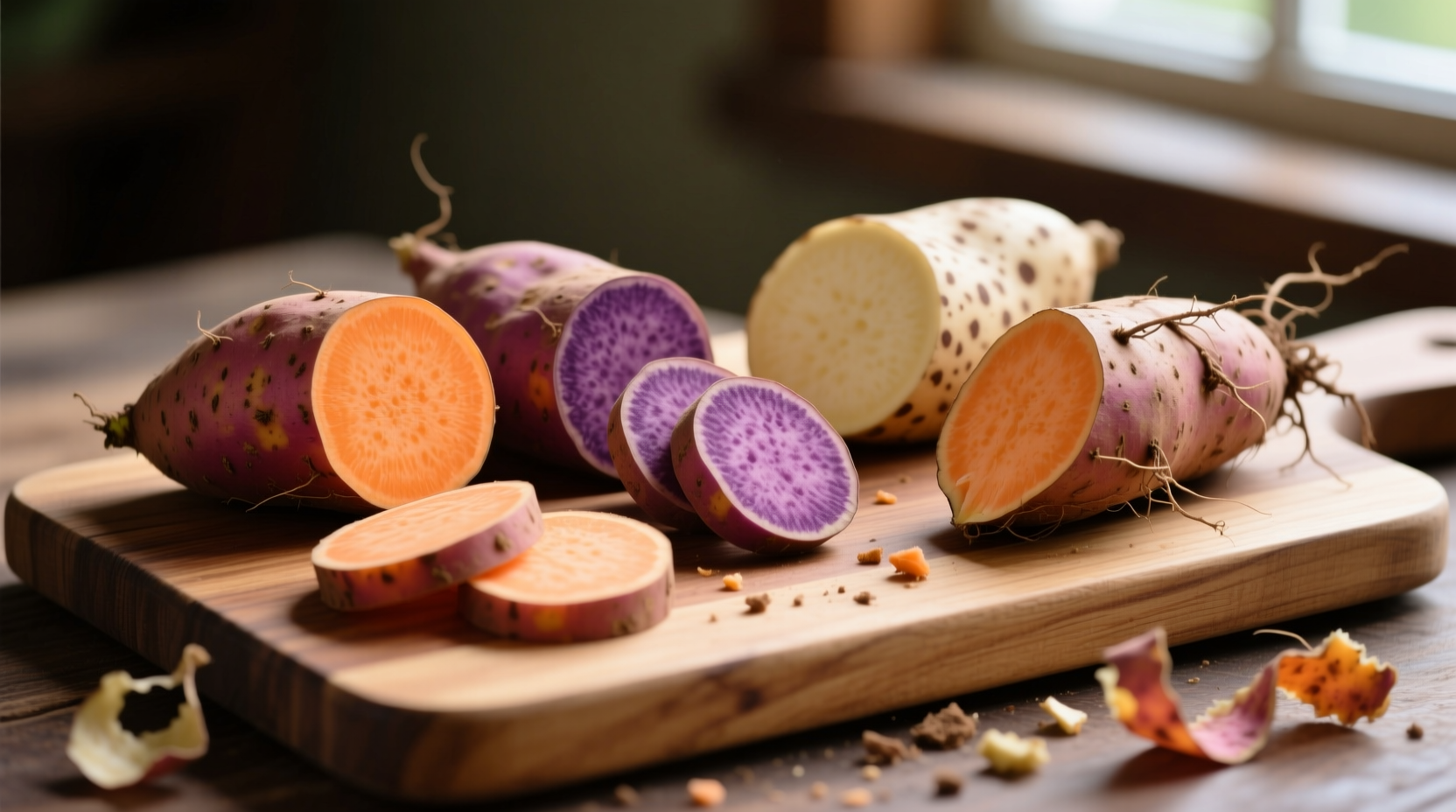
- Culinary flexibility: Sweet potatoes work in both sweet and savory applications while regular potatoes are primarily savory
Practical Implications of the Classification
Knowing sweet potatoes qualify as vegetables affects real-world decisions:
For meal planning, the USDA recommends adults consume 2-3 cups of vegetables daily, with sweet potatoes counting toward this goal. Nutritionists often suggest substituting sweet potatoes for refined carbohydrates because their vegetable classification comes with fiber and micronutrients absent in processed starches. In diabetes management, sweet potatoes' vegetable status means they're incorporated differently into meal plans than pure starch sources.
The classification also impacts agricultural policies. Under the USDA SNAP program, sweet potatoes qualify as eligible vegetable purchases, while products like sweet potato pie filling might not. School nutrition programs follow similar guidelines when planning balanced meals.
Common Misconceptions Clarified
Several persistent myths confuse sweet potato classification:
- "Sweet potatoes are fruits because they're sweet": Sweetness doesn't determine vegetable status—carrots and beets are sweet vegetables
- "They're just a type of potato": Despite the name, sweet potatoes share no botanical relation to regular potatoes
- "Yams are the same as sweet potatoes": True yams (Dioscorea species) are different plants rarely sold in North American grocery stores
The confusion often stems from inconsistent labeling practices. In the United States, the term 'yam' frequently appears on sweet potato packaging for orange-fleshed varieties, creating unnecessary consumer confusion about their fundamental nature.
Why This Classification Matters for Your Health
Recognizing sweet potatoes as vegetables unlocks their nutritional benefits. The Centers for Disease Control and Prevention highlights orange-fleshed sweet potatoes as exceptional sources of beta-carotene, which converts to vitamin A in the body. This nutrient supports immune function, vision health, and skin integrity—benefits that align with vegetable consumption recommendations rather than starch-focused guidelines.
When preparing sweet potatoes, their vegetable classification suggests optimal cooking methods. Steaming or roasting with minimal added fat preserves their nutrient density better than frying, aligning with vegetable preparation best practices. Their high fiber content (about 4 grams per medium potato) further supports their role as a vegetable rather than a simple carbohydrate source.
Conclusion: Embracing Sweet Potatoes as Nutritional Powerhouses
While botanists might debate technical classifications, the practical reality is clear: sweet potatoes function as vegetables in culinary applications, nutritional planning, and dietary guidelines. Their rich nutrient profile, culinary versatility, and official recognition by major health organizations solidify their place in the vegetable category for everyday purposes. Whether you're meal prepping, managing dietary restrictions, or simply expanding your produce knowledge, treating sweet potatoes as the nutritional powerhouses they are will enhance your approach to healthy eating.




 浙公网安备
33010002000092号
浙公网安备
33010002000092号 浙B2-20120091-4