
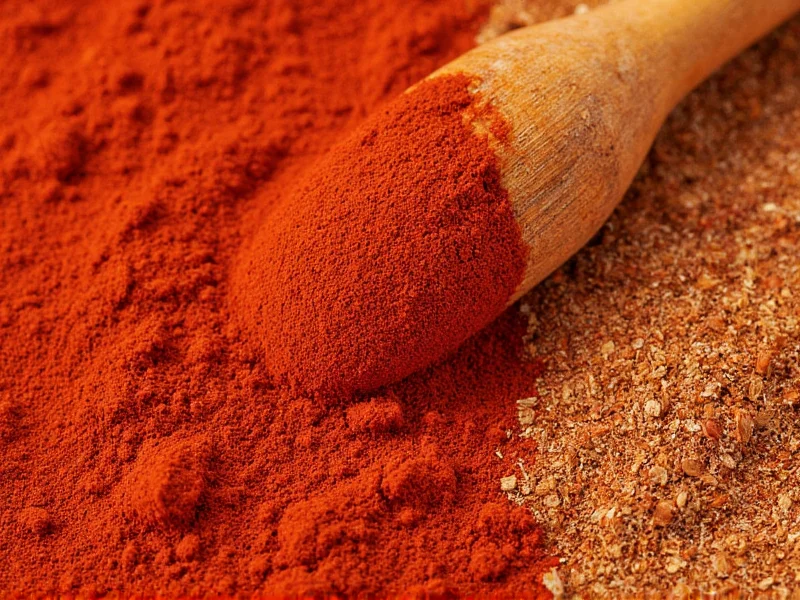
When exploring the world of spices, many home cooks and professional chefs encounter confusion about paprika varieties. The question is sweet paprika the same as smoked paprika represents a common point of uncertainty that can significantly impact your culinary results. Let's clarify these two distinct spice varieties to help you make informed cooking decisions.
Understanding Paprika Varieties
Paprika is a ground spice made from dried peppers, but not all paprikas are created equal. The production method, pepper varieties used, and processing techniques create significant differences between types. While both sweet and smoked paprika originate from Capsicum annuum peppers, their preparation paths diverge dramatically.
Key Differences Between Sweet and Smoked Paprika
The primary distinction lies in their production process. Sweet paprika is made from air-dried sweet peppers that are then ground into powder. It delivers a vibrant red color with a mild, slightly sweet flavor and zero heat. Authentic Hungarian sweet paprika, considered the gold standard, contains no additives and offers a pure pepper flavor.
Smoked paprika, known as pimentón in Spain, undergoes a different process. Peppers are slowly smoked over oak wood fires before drying and grinding. This smoking process imparts a distinctive smoky flavor that cannot be replicated with liquid smoke or other additives. Spanish smoked paprika comes in three varieties: sweet (dulce), medium (agridulce), and hot (picante).
| Characteristic | Sweet Paprika | Smoked Paprika |
|---|---|---|
| Primary Flavor | Mild, slightly sweet, pepper-forward | Pronounced smoky flavor with varying heat levels |
| Production Method | Air-dried sweet peppers ground into powder | Peppers smoked over oak fires before grinding |
| Heat Level | 0 (mild) | Varies (sweet, medium, or hot) |
| Color | Bright red | Deep brick red |
| Regional Origin | Hungary (traditional), worldwide production | Spain (particularly La Vera region) |
| Best Culinary Uses | Goulash, deviled eggs, potato salad, Hungarian dishes | Paella, chorizo, barbecue rubs, roasted vegetables |
Culinary Applications and Substitution Guidance
Understanding when to use each variety prevents recipe disasters. Sweet paprika shines in traditional Hungarian dishes like goulash and chicken paprikash, where its mild pepper flavor enhances without overwhelming. It also works well in potato salads, deviled eggs, and as a colorful garnish.
Smoked paprika brings depth to Spanish dishes like paella and chorizo. Its smoky notes complement grilled meats, roasted vegetables, and bean dishes. When wondering can I substitute sweet paprika for smoked paprika, the answer depends on your recipe. In dishes where smoke flavor is essential (like paella), substitution won't work well. However, in recipes using paprika primarily for color (like potato salad), sweet paprika can replace smoked without significant flavor impact.
If you must substitute, consider adding a tiny amount of liquid smoke to sweet paprika to approximate smoked paprika's flavor, though this won't perfectly replicate the complex notes from traditional wood-smoking. For the reverse substitution (using smoked when sweet is called for), the smoky flavor will dominate and likely alter your dish's intended profile.
Contextual Boundaries: Authenticity Requirements
Culinary authenticity imposes strict boundaries where substitution between sweet and smoked paprika is unacceptable. The Kalocsai Paprika PGI documentation explicitly states that sweet paprika is indispensable for traditional Hungarian dishes like goulash, with smoked variants considered non-compliant due to their foreign flavor profile. Similarly, Spain's Pimentón de la Vera DOP specification designates smoked paprika as mandatory for authentic paella, as its unique oak-smoked essence defines the dish's cultural identity. These regulatory frameworks, enforced by the European Union, underscore that paprika variety selection isn't merely preference but a requirement for heritage cuisine.
Regional Variations and Quality Considerations
Hungarian sweet paprika vs smoked paprika represents more than just regional differences—it's about culinary tradition. Hungary produces some of the world's finest sweet paprikas, with specific regions designated for different quality grades. The most prized varieties come from the Kalocsa and Szeged regions.
Spanish smoked paprika from the La Vera region has held Protected Designation of Origin (DOP) status since 1999, ensuring traditional production methods are preserved within designated geographical areas as documented in the EU geographical indications register. Similarly, Hungarian sweet paprika from Kalocsa and Szeged regions received Protected Geographical Indication (PGI) status in 2000 and 2002, respectively, codifying centuries-old quality standards (see Kalocsai Paprika PGI registration). When shopping for either variety, check for freshness—paprika loses potency over time. Store both types in airtight containers away from light and heat to preserve their flavor compounds.
Practical Usage Tips
When working with either paprika variety, remember these professional tips:
- Add paprika late in the cooking process when possible to preserve its delicate flavor compounds
- Bloom sweet paprika in a small amount of oil to enhance its color and flavor in sauces
- Use smoked paprika sparingly at first—you can always add more, but you can't remove it
- Combine sweet paprika with a pinch of cayenne when a recipe calls for "hot paprika"
- Never cook either variety at high heat, which can make it bitter
Conclusion
The question is sweet paprika the same as smoked paprika has a definitive answer: they are distinct spices with different flavor profiles and culinary applications. While both add beautiful color to dishes, their flavor contributions differ significantly. Sweet paprika offers pure pepper flavor without heat, while smoked paprika delivers that unmistakable wood-smoked depth. Understanding these differences ensures your recipes turn out as intended, whether you're making traditional Hungarian goulash or authentic Spanish paella. When selecting paprika, consider your recipe's requirements carefully—using the right variety makes all the difference in achieving authentic flavors.




 浙公网安备
33010002000092号
浙公网安备
33010002000092号 浙B2-20120091-4