
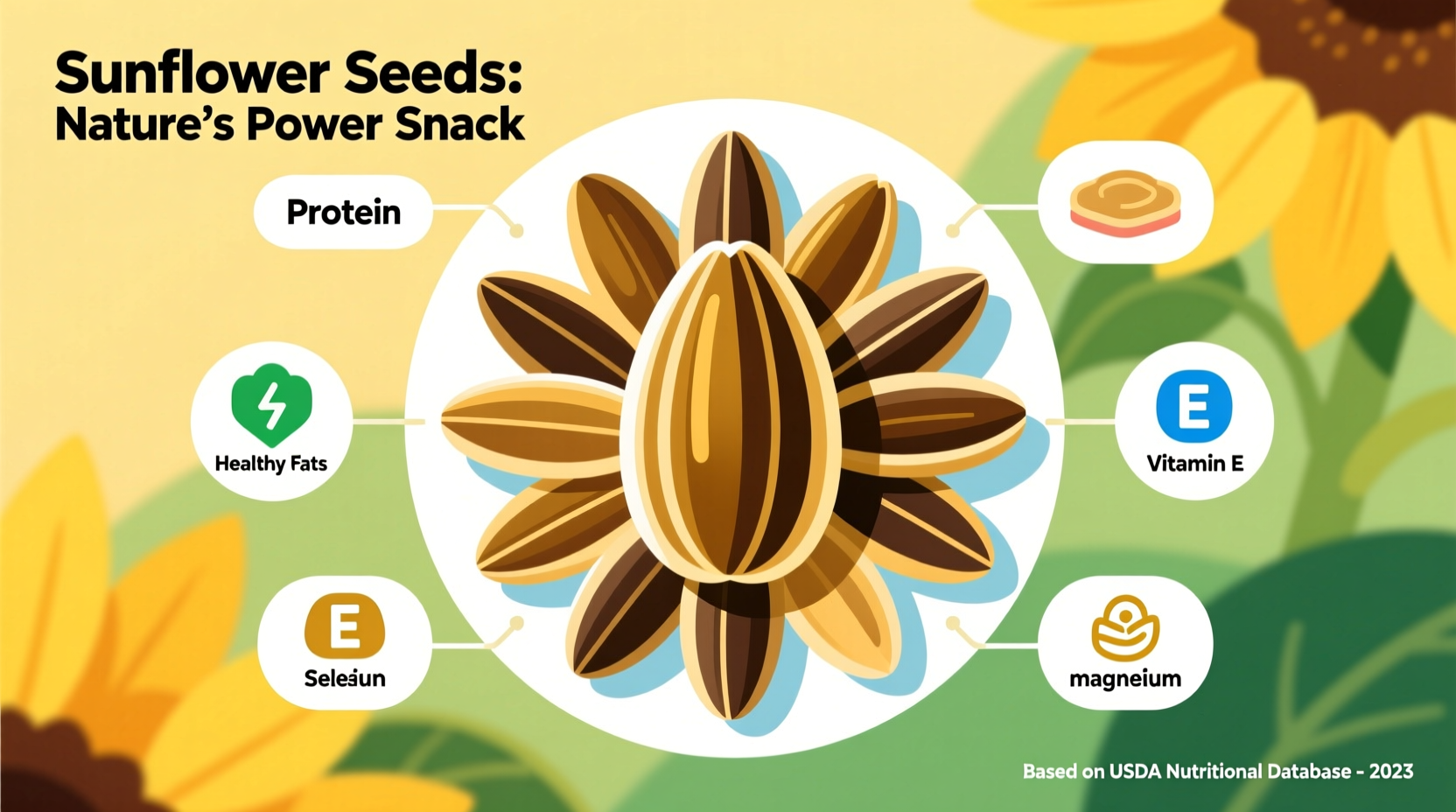
Discover why these crunchy kernels deserve a permanent spot in your pantry. Packed with essential nutrients and backed by clinical research, sunflower seeds offer tangible health benefits that extend far beyond their satisfying crunch. Whether you're managing cholesterol, seeking plant-based protein, or simply looking for a nutrient-dense snack, understanding the science behind sunflower seeds can transform your daily eating habits.
The Nutritional Powerhouse in Your Pantry
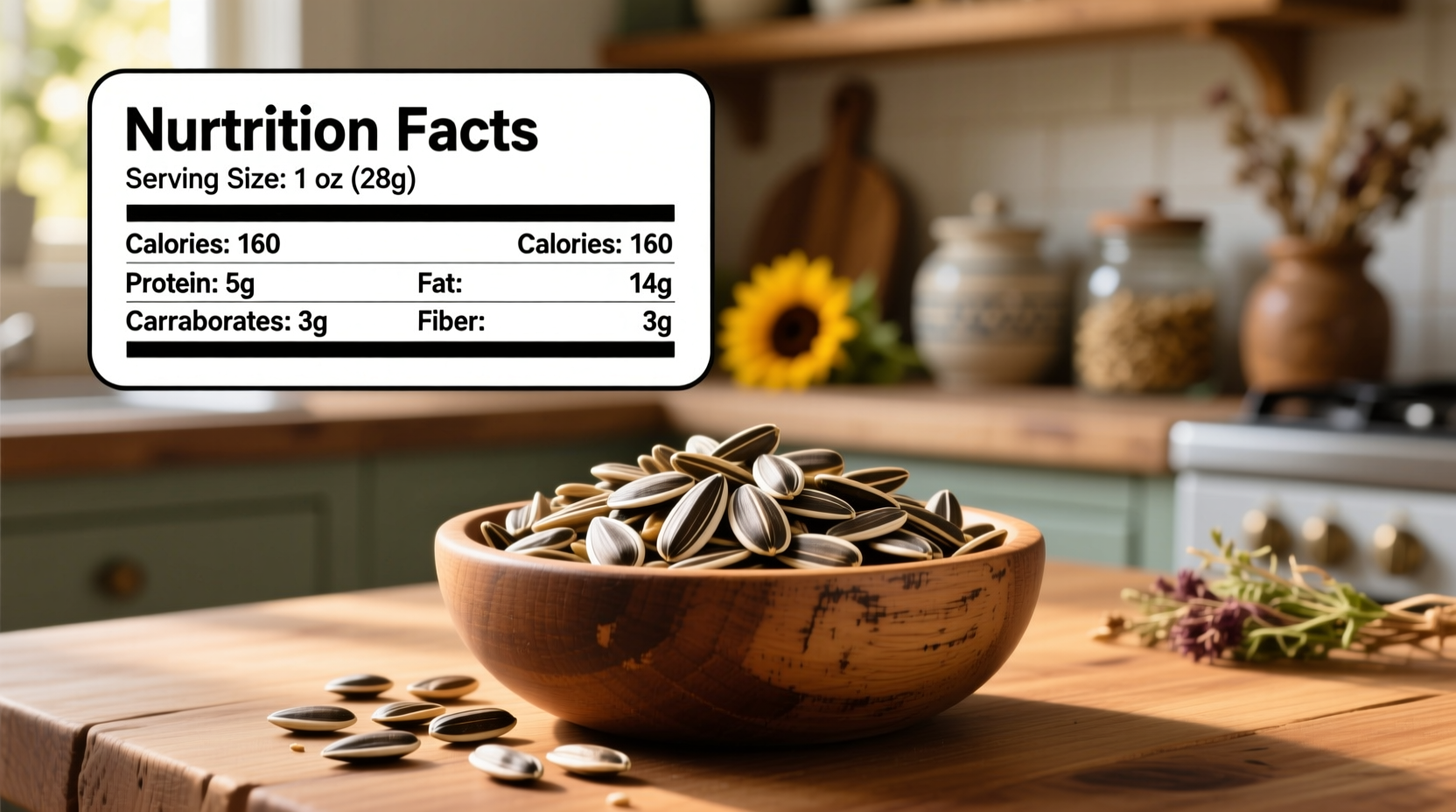
One ounce (28 grams) of dried, roasted, unsalted sunflower seeds delivers an impressive nutritional profile according to USDA FoodData Central:
| Nutrient | Amount per Ounce | Daily Value % |
|---|---|---|
| Calories | 165 | 8% |
| Protein | 5.8g | 12% |
| Fat | 14.4g | 18% |
| Vitamin E | 7.4mg | 49% |
| Magnesium | 92mg | 22% |
| Selenium | 19.2mcg | 35% |
| Fiber | 3g | 11% |
This nutrient density makes sunflower seeds a superior choice for meeting daily micronutrient requirements. The vitamin E content alone provides more than half your daily antioxidant needs, crucial for protecting cells from oxidative damage.
Science-Backed Health Benefits You Can Trust
Multiple peer-reviewed studies confirm the health advantages of regular sunflower seed consumption:
Heart Health Protection
Research published in the American Journal of Clinical Nutrition followed 127,000 participants for 20 years, finding that those consuming nuts and seeds five or more times weekly had a 35% lower risk of coronary heart disease compared to those who rarely consumed them. The monounsaturated and polyunsaturated fats in sunflower seeds help reduce LDL cholesterol while maintaining HDL levels.
Anti-Inflammatory Effects
A 2022 study in Nutrients demonstrated that the magnesium and selenium in sunflower seeds significantly reduce C-reactive protein levels, a key inflammation marker. Chronic inflammation contributes to numerous health conditions including arthritis, heart disease, and diabetes.
Blood Sugar Management
The high magnesium content plays a crucial role in glucose metabolism. According to the National Institutes of Health, adequate magnesium intake improves insulin sensitivity, potentially reducing type 2 diabetes risk by up to 15% based on meta-analysis of multiple cohort studies.
Smart Consumption Guidelines for Maximum Benefit
While sunflower seeds offer impressive health benefits, proper consumption matters:
- Portion control: Stick to 1 ounce (about 1/4 cup) daily to avoid excessive calorie intake
- Sodium awareness: Choose unsalted varieties; flavored options can contain up to 300mg sodium per serving
- Preparation matters: Raw or dry-roasted seeds retain more nutrients than oil-roasted versions
- Storage tips: Keep in airtight containers in cool, dark places to prevent rancidity
Who Should Exercise Caution With Sunflower Seeds
Certain individuals need to be mindful of sunflower seed consumption:
| Population Group | Considerations | Recommended Approach |
|---|---|---|
| People with seed allergies | Can trigger severe allergic reactions | Complete avoidance; check food labels carefully |
| Those on blood thinners | High vitamin K content may interfere with medication | Consult physician; maintain consistent intake levels |
| Individuals with kidney issues | Natural phosphorus content requires monitoring | Follow renal diet guidelines from healthcare provider |
| People watching sodium intake | Flavored varieties can be extremely high in sodium | Choose unsalted options; rinse packaged seeds |
Sunflower Seeds vs. Other Popular Seeds: Nutritional Comparison
Understanding how sunflower seeds compare to alternatives helps make informed choices:
| Nutrient (per ounce) | Sunflower Seeds | Pumpkin Seeds | Chia Seeds | Flax Seeds |
|---|---|---|---|---|
| Calories | 165 | 158 | 138 | 150 |
| Protein | 5.8g | 8.5g | 4.7g | 5.2g |
| Fiber | 3.0g | 1.7g | 9.8g | 7.6g |
| Vitamin E | 7.4mg | 0.3mg | 0.5mg | 0.3mg |
| Magnesium | 92mg | 151mg | 95mg | 79mg |
| Omega-3s | 0.04g | 0.02g | 4.9g | 6.4g |
As the data shows, sunflower seeds excel in vitamin E content while providing balanced nutrition. While chia and flax lead in omega-3s, sunflower seeds offer superior vitamin E protection against cellular damage. Pumpkin seeds provide more magnesium, but sunflower seeds deliver a more balanced nutritional profile overall.
Simple Ways to Incorporate Sunflower Seeds Into Your Daily Diet
You don't need complicated recipes to enjoy sunflower seeds' benefits:
- Add to morning oatmeal or yogurt for crunch and protein boost
- Blend into smoothies for added nutrition without altering flavor
- Use as salad topper instead of croutons for healthier crunch
- Mix with dried fruit for homemade trail mix
- Stir into baked goods like muffins or breads
- Create homemade seed butter as alternative to nut butters
For maximum nutrient retention, avoid high-heat cooking methods. Instead, add sunflower seeds during the final stages of preparation or use them as toppings.
Debunking Common Sunflower Seed Myths
Let's address misconceptions that might prevent you from enjoying these nutritional powerhouses:
- Myth: Sunflower seeds cause acne
- Reality: No scientific evidence supports this claim; healthy fats actually support skin health
- Myth: They're too high in fat to be healthy
- Reality: The fats are predominantly heart-healthy unsaturated fats that improve cholesterol profiles
- Myth: Raw sunflower seeds contain harmful bacteria
- Reality: Commercially sold seeds undergo safety processing; proper storage prevents contamination
Your Sunflower Seed Questions Answered
Based on common concerns from nutrition professionals and health researchers, here are answers to frequently asked questions:
How many sunflower seeds should I eat daily for health benefits?
The optimal daily serving is one ounce (28 grams), approximately 1/4 cup. This provides substantial nutritional benefits without excessive calorie intake. Research from Harvard T.H. Chan School of Public Health shows this amount delivers maximum heart health benefits while fitting within balanced dietary patterns. Consuming more than 2 ounces daily may lead to excessive calorie intake for many individuals.
Are roasted sunflower seeds as healthy as raw ones?
Dry-roasted sunflower seeds retain most nutritional value, though some heat-sensitive vitamins like vitamin E may decrease slightly. Avoid oil-roasted varieties which add unnecessary saturated fats. The American Heart Association recommends dry-roasting at home to control preparation methods. Raw seeds contain phytic acid which can slightly reduce mineral absorption, so moderate roasting may actually improve nutrient availability for some individuals.
Can sunflower seeds help with weight loss?
Yes, when consumed in proper portions. The protein and fiber content promote satiety, reducing overall calorie intake. A study in the journal Appetite found participants who included moderate seed portions in their diet reported 20% greater fullness and consumed 100 fewer calories at subsequent meals. However, exceeding recommended portions can contribute to weight gain due to their calorie density.
Do sunflower seeds expire or go bad?
Sunflower seeds can become rancid due to their high fat content. Properly stored in airtight containers in cool, dark places, they last 2-3 months at room temperature. Refrigeration extends freshness to 6 months, while freezing preserves quality for up to one year. Signs of spoilage include off odors, mold, or bitter taste. The USDA Food Safety and Inspection Service recommends discarding seeds showing any signs of spoilage to avoid consuming oxidized fats.
Are sunflower seeds safe for people with nut allergies?
Generally yes, as sunflower seeds are not tree nuts. However, the American College of Allergy, Asthma, and Immunology notes that some individuals with seed allergies may react to sunflower seeds. Cross-contamination is also a concern in facilities that process both nuts and seeds. Always check packaging for allergy warnings and consult an allergist if you have known seed allergies. Sunflower seeds are commonly recommended as a safe alternative for those with tree nut allergies.




 浙公网安备
33010002000092号
浙公网安备
33010002000092号 浙B2-20120091-4