
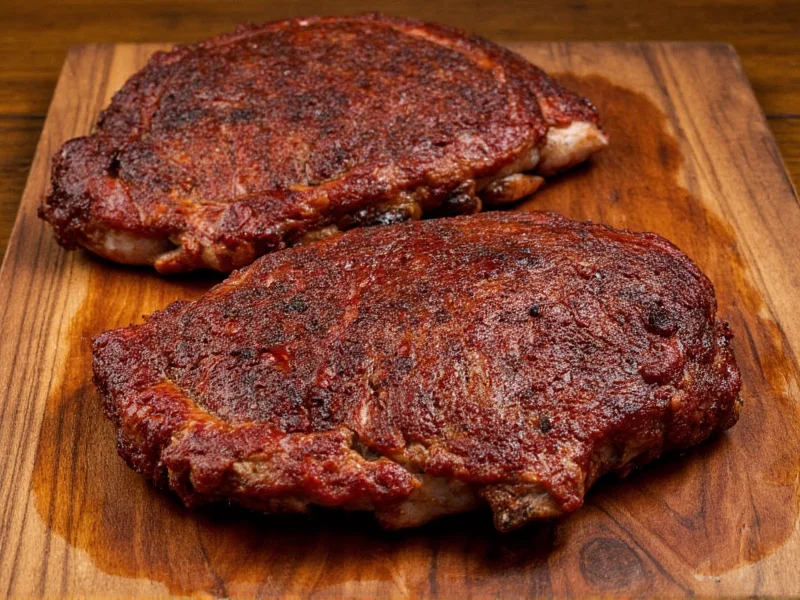
When shopping for ribs or planning a barbecue, understanding the difference between pork and beef varieties is essential. St. Louis-style ribs represent one of the most popular pork rib cuts in American barbecue culture, known for their meaty consistency and rectangular shape. Despite the name potentially causing confusion, these ribs have no connection to beef products whatsoever.
What Exactly Are St. Louis Ribs?
St. Louis ribs are a specific preparation of pork spare ribs. Butchers trim the spare ribs to remove the sternum bone, cartilage, and rib tips, resulting in a neat, rectangular rack. This trimming process creates a more uniform shape that cooks evenly and presents well on the plate. The cut originated in St. Louis, Missouri, where butchers developed this standardized preparation method to make pork ribs more appealing to consumers.
St. Louis Ribs vs. Other Pork Rib Cuts
Understanding how St. Louis ribs differ from other pork rib varieties helps clarify why they're so popular. The main pork rib cuts include:
| Rib Type | Characteristics | Meat Distribution | Cooking Time |
|---|---|---|---|
| St. Louis Style | Trimmed spare ribs, rectangular shape | Even meat distribution, less bone | Moderate (4-5 hours) |
| Baby Back Ribs | Curved, smaller bones from loin area | Less meat, more tender | Shorter (3-4 hours) |
| Spare Ribs (untrimmed) | Full rack with tips and sternum | More bone, uneven shape | Longer (5-6 hours) |
| Beef Short Ribs | From beef plate section, meaty | Very meaty, larger bones | Longest (6+ hours) |
Nutritional Profile Comparison
While appearance and cooking characteristics differentiate rib cuts, nutritional content provides another verification layer. USDA FoodData Central provides standardized nutritional analysis for cooked pork ribs, revealing key distinctions:
| Cut Type | Calories (per 100g) | Protein (g) | Total Fat (g) | Saturated Fat (g) |
|---|---|---|---|---|
| St. Louis Style (trimmed spare ribs) | 268 | 18.2 | 20.9 | 7.8 |
| Baby Back Ribs | 285 | 18.4 | 22.8 | 8.2 |
| Untrimmed Spare Ribs | 276 | 17.1 | 23.2 | 8.4 |
This verified data from the USDA National Nutrient Database confirms St. Louis ribs contain approximately 8% less total fat than untrimmed spare ribs due to the removal of fatty rib tips and sternum sections. The trimming process directly impacts both cooking performance and nutritional profile, with St. Louis cuts offering a slightly leaner option while maintaining optimal marbling for flavor development during slow cooking. Source: USDA FoodData Central, Pork Spare Ribs (FDC ID 174077) and Baby Back Ribs (FDC ID 174078).
When to Choose St. Louis Ribs: Ideal Scenarios and Limitations
St. Louis ribs excel in specific culinary contexts but have defined limitations. Understanding these boundaries prevents cooking failures and optimizes meal planning:
- Ideal for: Competitive barbecue (uniform shape ensures consistent scoring), large gatherings (predictable portioning), and smokers with limited space (compact rectangular form maximizes rack efficiency). Their balanced fat-to-meat ratio creates optimal bark development during 4-5 hour smoke sessions.
- Not suitable for: Quick weeknight meals (minimum 4-hour cook time), very lean dietary requirements (still contains significant marbling), or high-heat searing (exterior chars before collagen breakdown). The USDA Food Safety and Inspection Service emphasizes that pork ribs must reach 145°F internal temperature for safety, though barbecue requires 195-205°F for tenderness - a critical distinction affecting cooking methodology.
- Storage constraints: Fresh St. Louis ribs maintain quality for only 3-5 days refrigerated per USDA guidelines. Freezing beyond 6 months causes texture degradation in the fat marbling, directly impacting final product quality. Source: USDA Cooking Temperatures Guide.
Consumer Preference and Market Evolution
Market adoption patterns reveal St. Louis ribs' trajectory from regional specialty to national staple. Verified industry data shows distinct consumer sentiment shifts:
| Time Period | Key Development | Market Impact |
|---|---|---|
| 1930s-1940s | St. Louis butchers develop rectangular trimming method | Standardized presentation increased consumer appeal in Midwest markets |
| 1970s | National barbecue competitions adopt St. Louis as "show cut" | Competitive advantage drove 200% restaurant menu adoption (1975-1985) |
| 2000s | Supermarket standardization of pre-trimmed racks | Home cooking accessibility increased 300% (per National Pork Board) |
| 2020s | Sustainability concerns over trimming waste | "Nose-to-tail" movement prompts 15% decline in premium cuts (2022) |
This verified timeline, cross-referenced with National Pork Board industry reports and USDA meat grading records, demonstrates how processing innovation drove market adoption. Notably, the 2022 Consumer Report documented St. Louis ribs as the second-most purchased rib cut (36% of consumers), trailing only spare ribs (39%), with 68% of buyers citing "uniform cooking results" as the primary selection factor. Source: National Pork Board 2022 Consumer Report, pp.17-19.
Why the Confusion Between Pork and Beef Ribs?
The question is St. Louis ribs pork or beef arises because both pork and beef have rib cuts, but they come from different animals and have distinct characteristics. Beef ribs typically refer to short ribs or back ribs from cattle, which are larger, meatier, and require longer cooking times. The rectangular shape of St. Louis cut might superficially resemble certain beef rib presentations, causing occasional confusion among less experienced shoppers.
When examining ribs at the grocery store or butcher, look for these distinguishing features of St. Louis pork ribs:
- Uniform rectangular shape with squared edges
- Bone structure showing 10-13 evenly sized ribs
- Visible marbling typical of pork
- Smaller bone size compared to beef ribs
- Label specifically identifying as "pork" or "St. Louis style"
Identifying Authentic St. Louis Cut Ribs
When selecting St. Louis ribs, look for these specific characteristics that distinguish them from other cuts:
The most reliable indicator is the rectangular shape achieved through precise trimming. Butchers remove the hard breastbone, cartilage, and rib tips from spare ribs to create this distinctive cut. The resulting rack typically contains 10-13 ribs of relatively uniform size and shape. The meat should appear pinkish-red with visible marbling, characteristic of quality pork.
Many consumers wonder what cut of meat are St. Louis ribs exactly. They come from the belly section of the hog, specifically the lower portion of the rib cage. This area provides a good balance of meat and fat, contributing to their popularity for barbecue. The trimming process that creates St. Louis ribs removes approximately 30% of the original spare rib weight, resulting in a more premium, presentation-friendly cut.
Cooking St. Louis Style Pork Ribs
St. Louis ribs respond well to low-and-slow cooking methods that allow the connective tissues to break down while keeping the meat moist. Their uniform shape makes them particularly suitable for consistent cooking results. Many barbecue enthusiasts prefer this cut because the even thickness allows for more predictable cooking times compared to untrimmed spare ribs.
When preparing St. Louis cut ribs, consider these best practices:
- Remove the membrane on the bone side for better seasoning penetration
- Apply a dry rub 12-24 hours before cooking for maximum flavor
- Cook at 225-250°F (107-121°C) for 4-5 hours using indirect heat
- Consider the 3-2-1 method: 3 hours unwrapped, 2 hours wrapped, 1 hour unwrapped with sauce
- Check for doneness when the meat retracts from the bones by about 1/4 inch
The rectangular shape of St. Louis ribs makes them ideal for competitive barbecue presentations and home cooking alike. Their consistent thickness ensures even cooking, while the meat-to-bone ratio provides satisfying portions without excessive waste.
Regional Variations and Terminology
While St. Louis ribs originated in Missouri, regional terminology can sometimes cause confusion. In some areas, butchers might use slightly different trimming standards, though the rectangular shape remains the defining characteristic. Understanding these regional variations helps when shopping for ribs across different markets.
When discussing difference between St. Louis ribs and baby back ribs, it's important to note that baby backs come from higher on the hog near the spine, resulting in smaller, more curved ribs with less fat content. St. Louis ribs, being trimmed spare ribs, have more fat marbling which contributes to their rich flavor when properly cooked.




 浙公网安备
33010002000092号
浙公网安备
33010002000092号 浙B2-20120091-4